The glow from a semiconductor factory rarely remains confined to its walls. When orders rise and production expands, the effects can travel through suppliers, laboratories, universities, financial markets, and eventually into plans for technologies that have not yet reached the mainstream. South Korea is now considering how to use the current chip boom to help shape that next horizon.
The government plans to establish a new fund that would use additional tax revenue generated by the semiconductor industry to support investment in artificial intelligence and other future-growth sectors. The proposal also includes support aimed at younger generations, linking the current technology cycle with longer-term economic development. (reuters.com)
The idea arrives during an unusually strong period for South Korea’s chip industry. Samsung Electronics and SK Hynix have benefited from powerful demand for memory products used in AI systems, particularly high-bandwidth memory needed by advanced computing infrastructure.
The boom has created an unusual fiscal opportunity. When corporate profits and semiconductor-related activity expand, government tax receipts can also increase. Rather than treating that additional revenue only as a short-term gain, policymakers are considering directing part of it toward industries expected to influence the next generation of economic growth.
Artificial intelligence stands near the center of that strategy. AI development requires more than software. It depends on processors, memory, energy, data centers, telecommunications networks, research facilities, and skilled workers. South Korea’s position as a major semiconductor producer gives it a natural connection to this broader technology ecosystem.
The proposed fund also reflects a concern about how technological growth is distributed. Semiconductor investment can produce enormous economic value, but its benefits may remain concentrated in major corporations and specialized regions. Programs aimed at younger people and future industries could provide another route for that wealth to circulate through the wider economy.
South Korea has already announced broader plans to strengthen advanced technologies. Earlier this month, the country unveiled seven future-technology projects covering areas including quantum computing, space, nuclear energy, and biotechnology. The projects show that the government’s technology ambitions extend beyond semiconductors and AI alone. (reuters.com)
Still, the semiconductor industry remains the immediate source of much of the momentum. Samsung and SK Hynix are investing heavily to expand capacity as global technology companies increase spending on AI infrastructure. The current cycle has therefore created both a financial opportunity and a strategic question: how can today's demand help prepare the economy for tomorrow?
There is no guarantee that every technology investment will produce a commercial success. Emerging fields can require years of research before they generate meaningful revenue, while market conditions can shift before projects mature. A fund designed around future industries therefore represents a long-term commitment rather than an immediate economic return.
For now, South Korea is using the strength of its semiconductor sector to look beyond the semiconductor sector itself. The proposed fund would connect today's chip revenues with investments in AI, younger generations, and other future technologies, giving the country's current technology boom another possible direction.
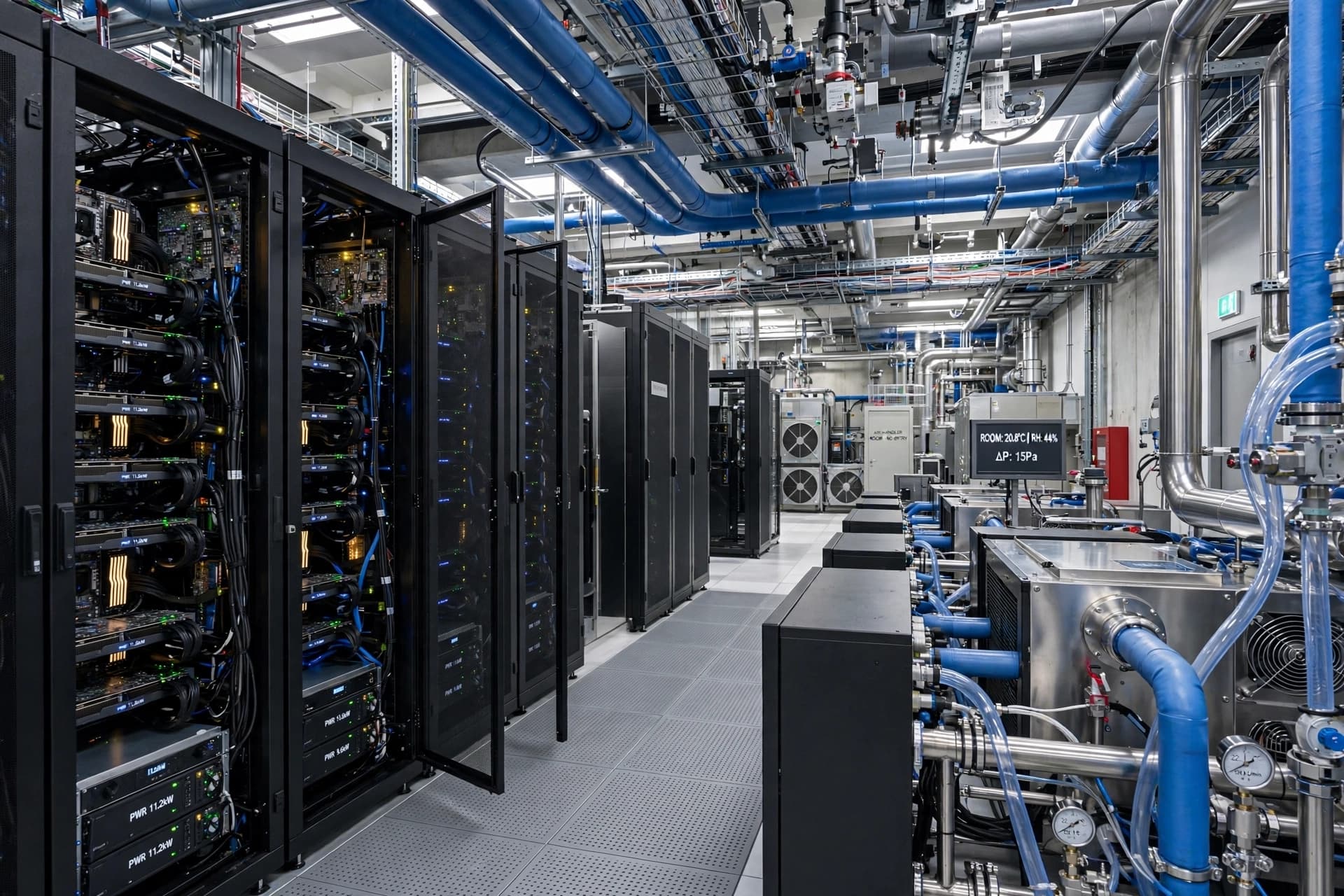
AI Image Disclaimer The accompanying visuals were generated with AI and are intended as conceptual representations of South Korea’s technology and investment landscape.
Sources Reuters The Korea Herald Ministry of Economy and Finance of Korea Samsung Electronics SK Hynix
Published by Banx Network. This article is part of the Banx decentralized media programme, powered by the BXE token on the XRP Ledger.