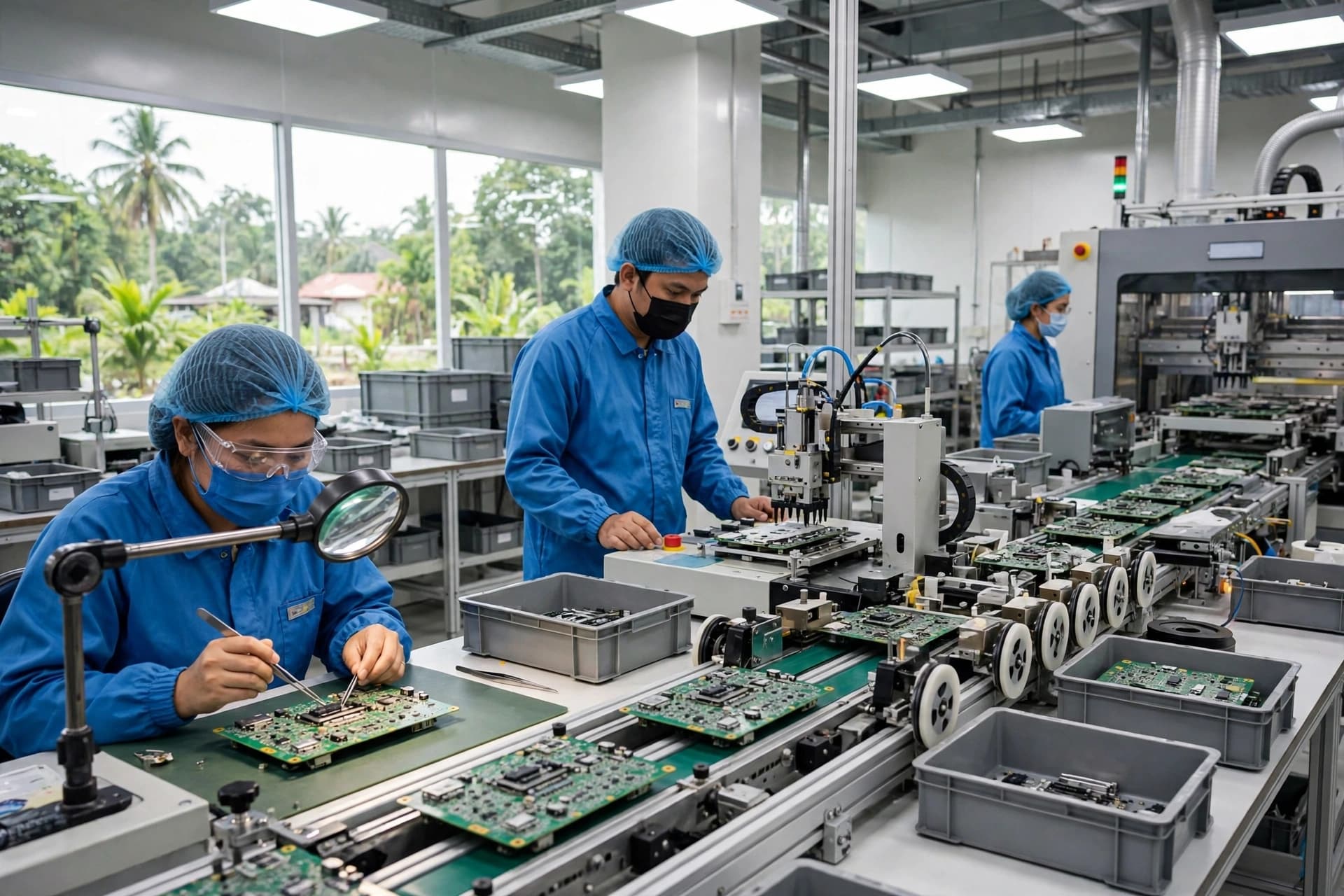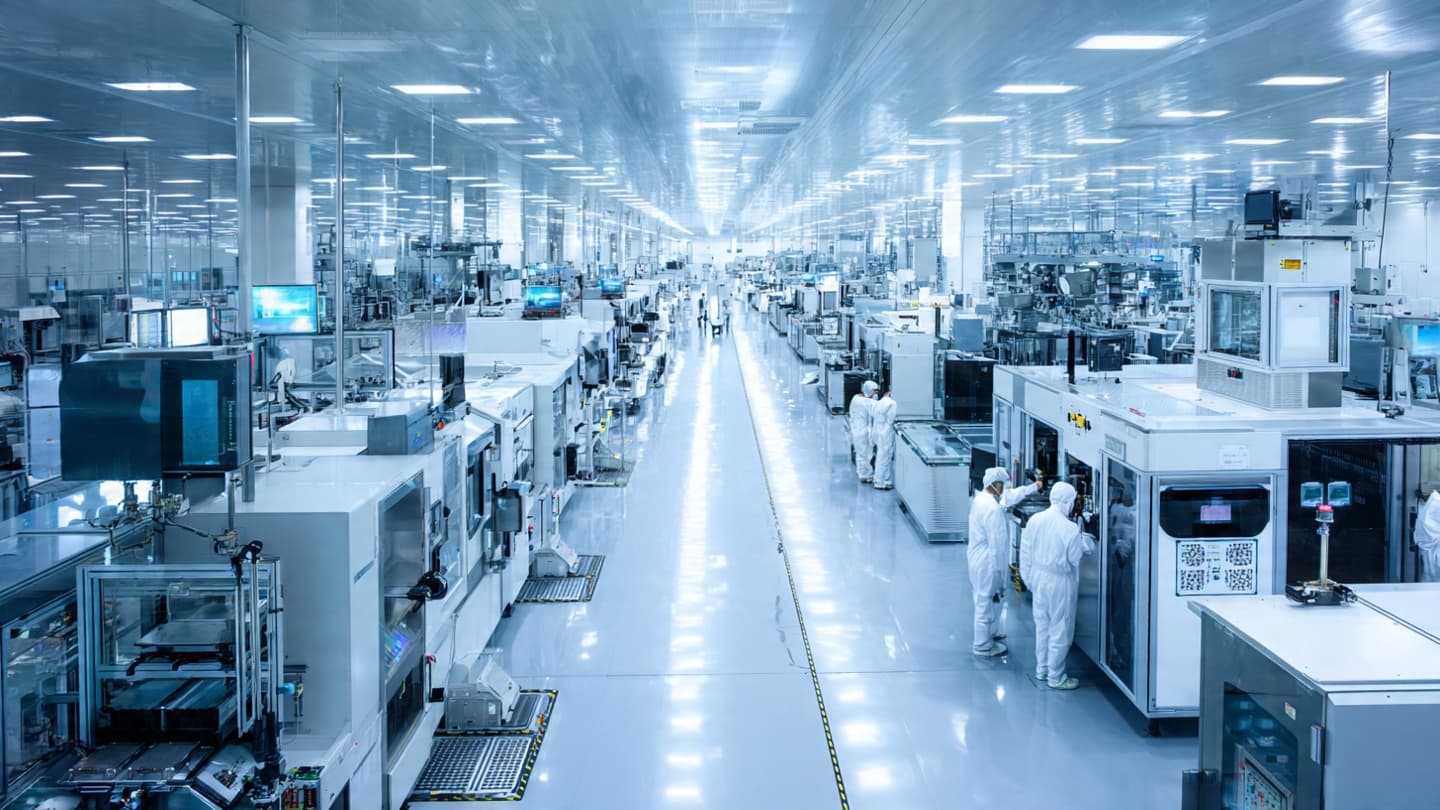
Across South Korea, the glow of semiconductor factories has become closely connected with the wider movement of the global technology economy. Inside enormous production facilities, layers of silicon are transformed into components that eventually travel toward computers, data centers, smartphones, and increasingly powerful artificial-intelligence systems.
The country's semiconductor industry continues to benefit from strong demand related to artificial intelligence, particularly for memory products used in high-performance computing. South Korean manufacturers remain among the world's most important suppliers of advanced memory chips, placing the country at the center of the AI infrastructure boom.
The transformation taking place inside data centers has created a new rhythm for chipmakers. AI systems require enormous quantities of computing power, and that computing power depends on advanced processors working alongside high-bandwidth memory. As companies expand their AI infrastructure, demand for these components has grown.
For South Korea, the opportunity is particularly significant because semiconductor exports are an important part of the country's broader trade economy. Strong chip demand can influence factory utilization, corporate investment, exports, and employment across related industries.
Samsung Electronics and SK Hynix remain central to this landscape. Both companies have invested heavily in advanced memory technologies as customers around the world build increasingly sophisticated AI systems. Their investments extend beyond production capacity to research, packaging, and next-generation memory development.
The semiconductor cycle, however, has never been completely predictable. Technology companies can change investment plans, inventories can rise and fall, and new generations of products can alter demand unexpectedly. The industry's current strength therefore exists alongside the possibility of future fluctuations.
South Korea is also seeking to strengthen the broader ecosystem around semiconductors. Equipment suppliers, materials companies, engineers, universities, and research institutions all contribute to the country's position in the global technology supply chain.
The growing AI economy has consequently turned semiconductor manufacturing into something larger than a conventional industrial sector. The products leaving Korean factories are increasingly connected to the infrastructure behind cloud computing, generative AI, autonomous systems, and advanced data analysis.
For now, the direction remains favorable. Global technology companies continue spending heavily on AI infrastructure, while Korean chipmakers expand their capacity and technological capabilities. Beneath the factory lights, the semiconductor industry continues moving with the wider digital economy, one wafer and one generation of technology at a time.
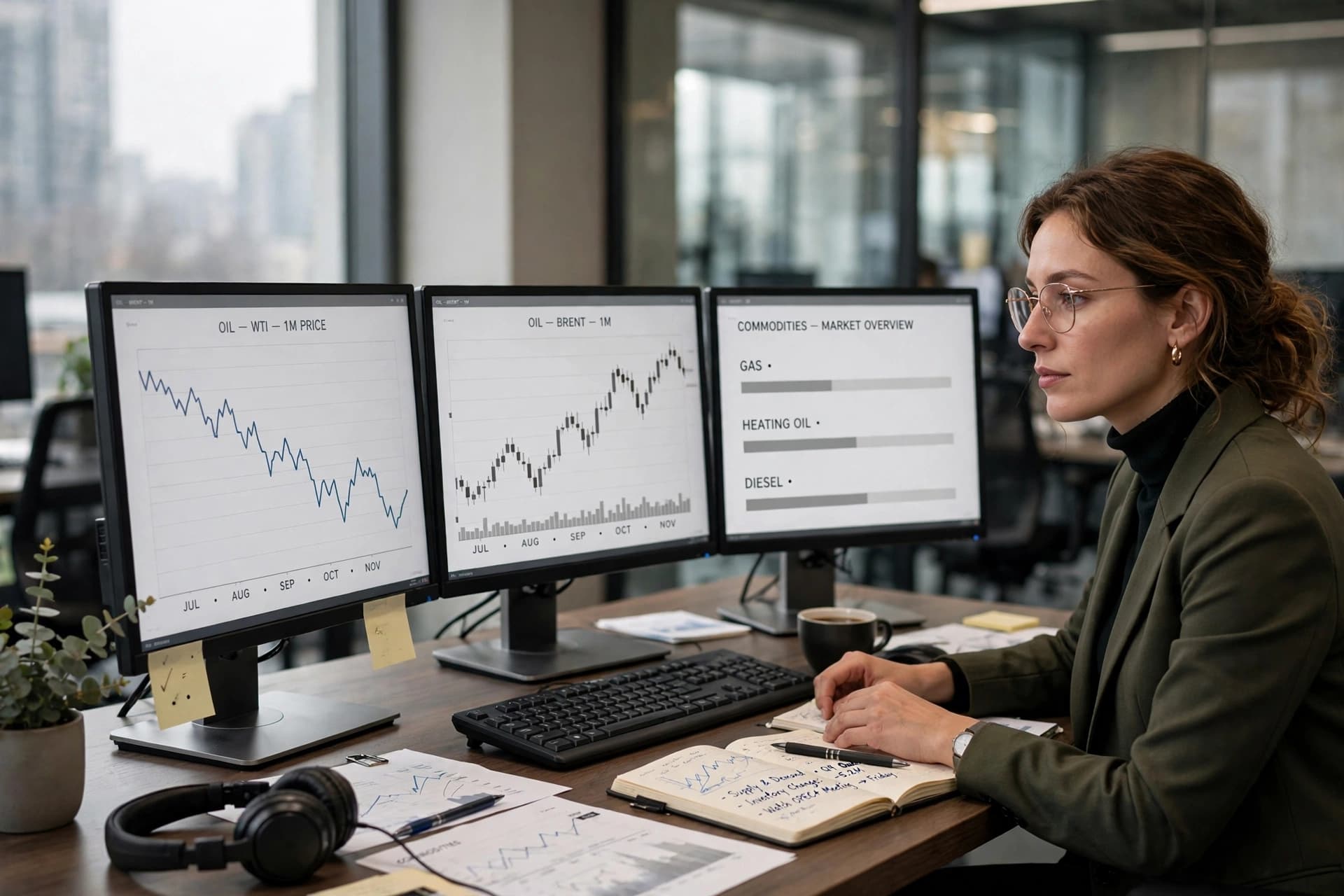
AI Image Disclaimer: These visuals were generated using AI and are conceptual representations of South Korea’s semiconductor industry.
Sources:
Reuters Samsung Electronics SK Hynix Korea Trade-Investment Promotion Agency Bank of Korea
Published by Banx Network. This article is part of the Banx decentralized media programme, powered by the BXE token on the XRP Ledger.