There’s a faint hum in the corridors of global technology — subtle, tentative, like the first notes of a delicate piano piece played across continents. The promise of powerful computing, once fenced behind tariffs and export controls, now edges toward a new horizon: a possibility that chips crafted in California may soon power AI labs thousands of miles away.
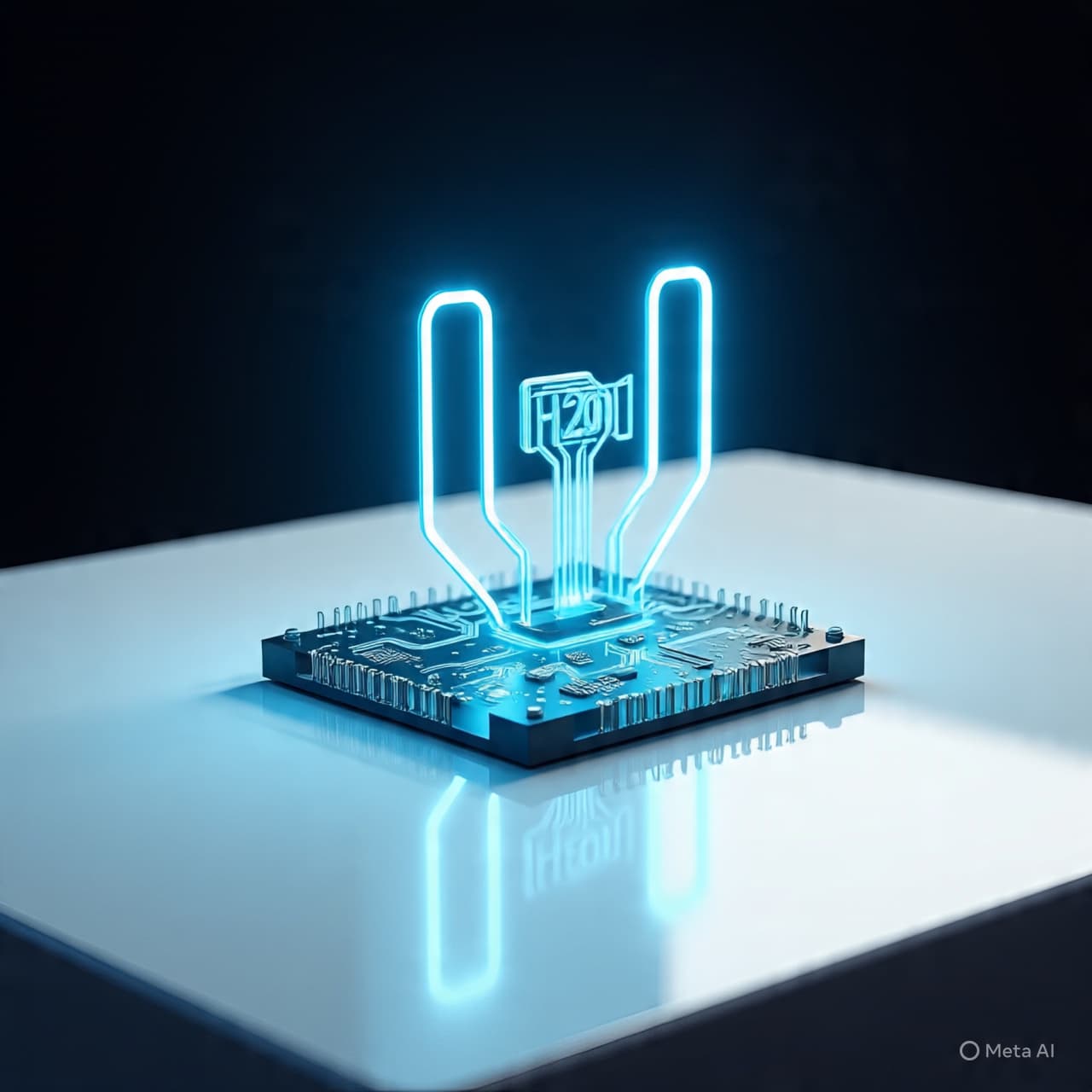
According to people familiar with the matter, the U.S. Department of Commerce is preparing to greenlight exports of Nvidia’s H200 artificial-intelligence chips to China. This possible shift appears tied to an emerging diplomatic thaw and a bid to balance economic competition with strategic caution.
For Nvidia, the move could reopen access to one of the world’s largest AI markets — a market it largely lost after export restrictions that barred its H20 and more advanced lines, including H200, from Chinese buyers. In mid-2025, as these curbs tightened, the company took multibillion-dollar charges linked to unsold inventory, underscoring the financial stakes of U.S. export policy.
Within Washington, the decision reflects a delicate balance. On one side are voices arguing that blocking exports entirely protects U.S. national security and curbs China’s potential military-AI buildup; on the other side, concerns that over-restriction simply cedes advantage to Chinese chipmakers and fragments the global AI ecosystem.
Yet even as U.S. regulators lean toward loosening controls, it’s unclear whether Chinese authorities will welcome H200 chips. Jensen Huang, CEO of Nvidia, recently cautioned that Beijing might reject the hardware — especially if U.S. rules force performance downgrades. Inside Beijing, local sentiment favors self-reliance and domestic chip development.
For now, the report alone was enough to nudge Nvidia’s stock upward — a modest rise amid tech-market jitters. And for a moment, the hum of possibility grew louder: a world where innovation flows again across borders — even as caution remains.
If H200 chips do find their way to Chinese servers, the future could unspool in unpredictable ways: new AI breakthroughs, sharper competition, and debates renewed around security, sovereignty, and the boundaries of global technology trade.
In the soft glow of this unfolding story, the question isn’t only whether chips travel, but whether the spirit of technology — collaboration, competition, connection — can shape a future shared across continents.
AI Image Disclaimer: Graphics are AI-generated and intended for representation, not realism.
Sources: Reuters, Semafor, Investing.com, Financial Express, Taipei Times
Published by Banx Network. This article is part of the Banx decentralized media programme, powered by the BXE token on the XRP Ledger.