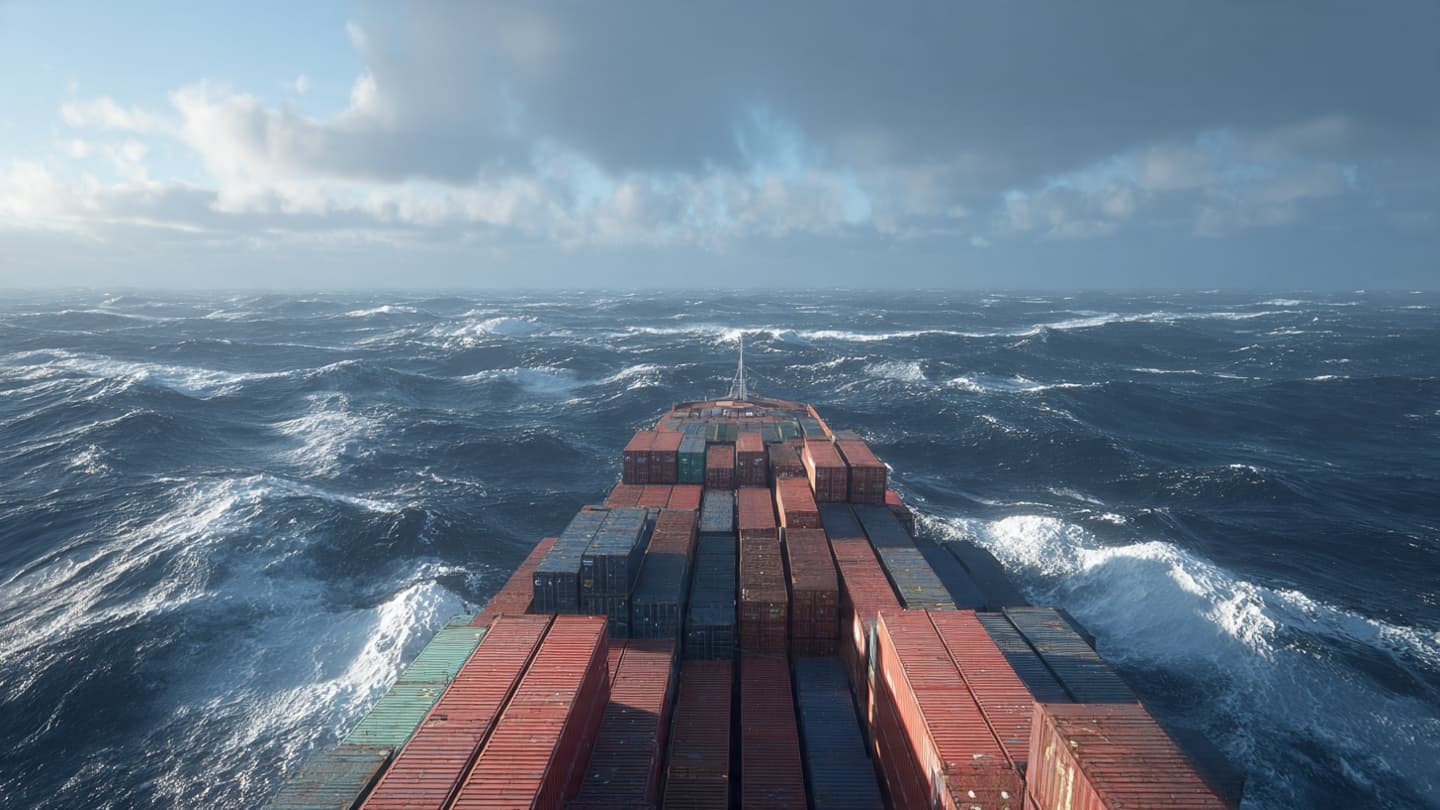
Every journey across the ocean represents a decision shaped by distance, timing, and uncertainty. For shipping companies, choosing a route is not only about reaching a destination but also about maintaining reliability.
Modern maritime businesses operate in an environment where flexibility has become increasingly valuable. Changing conditions can encourage companies to review routes and strengthen contingency plans.
Alternative shipping paths may require additional resources, but they provide important options when traditional routes face challenges. Businesses increasingly view adaptability as a key part of long-term planning.
The global logistics industry has transformed significantly in recent years. Companies now focus not only on reducing costs but also on building systems capable of responding to unexpected situations.
Shipping adjustments can influence delivery schedules and operational expenses. However, maintaining the movement of goods remains a central priority for international commerce.
Technology supports these efforts through advanced tracking, route analysis, and communication systems. These tools help companies make informed decisions in a rapidly changing environment.
The ability to redirect operations demonstrates the resilience of global trade networks. Even when challenges appear, businesses continue searching for ways to maintain economic connections.
International cooperation also plays an important role in supporting maritime commerce. Safe and efficient shipping depends on coordination among many participants.
As global demand continues growing, shipping companies will continue developing strategies that combine efficiency with flexibility.
The future of maritime transportation will belong to networks that can adapt while continuing to connect economies across the world.
Published by Banx Network. This article is part of the Banx decentralized media programme, powered by the BXE token on the XRP Ledger.