There are moments when a nation pauses—not because something loud has happened, but because something quiet has been revealed. Not a sudden shock, but a gradual realization, like noticing a crack in a wall that has long been there, only now becoming impossible to ignore.
In Indonesia, that quiet realization is beginning to take shape through numbers that speak softly, yet carry profound weight. Recent national health screenings suggest that nearly one in ten children may be experiencing signs of mental health challenges. It is not a dramatic headline at first glance, but behind it lies a deeper story—one that unfolds in classrooms, in homes, and in the unspoken spaces of growing up.
From approximately seven million children screened, hundreds of thousands show symptoms associated with anxiety and depression . These are not abstract conditions, but lived experiences—feelings of worry that linger, sadness that quietly persists, and pressures that children may not yet have the words to express.
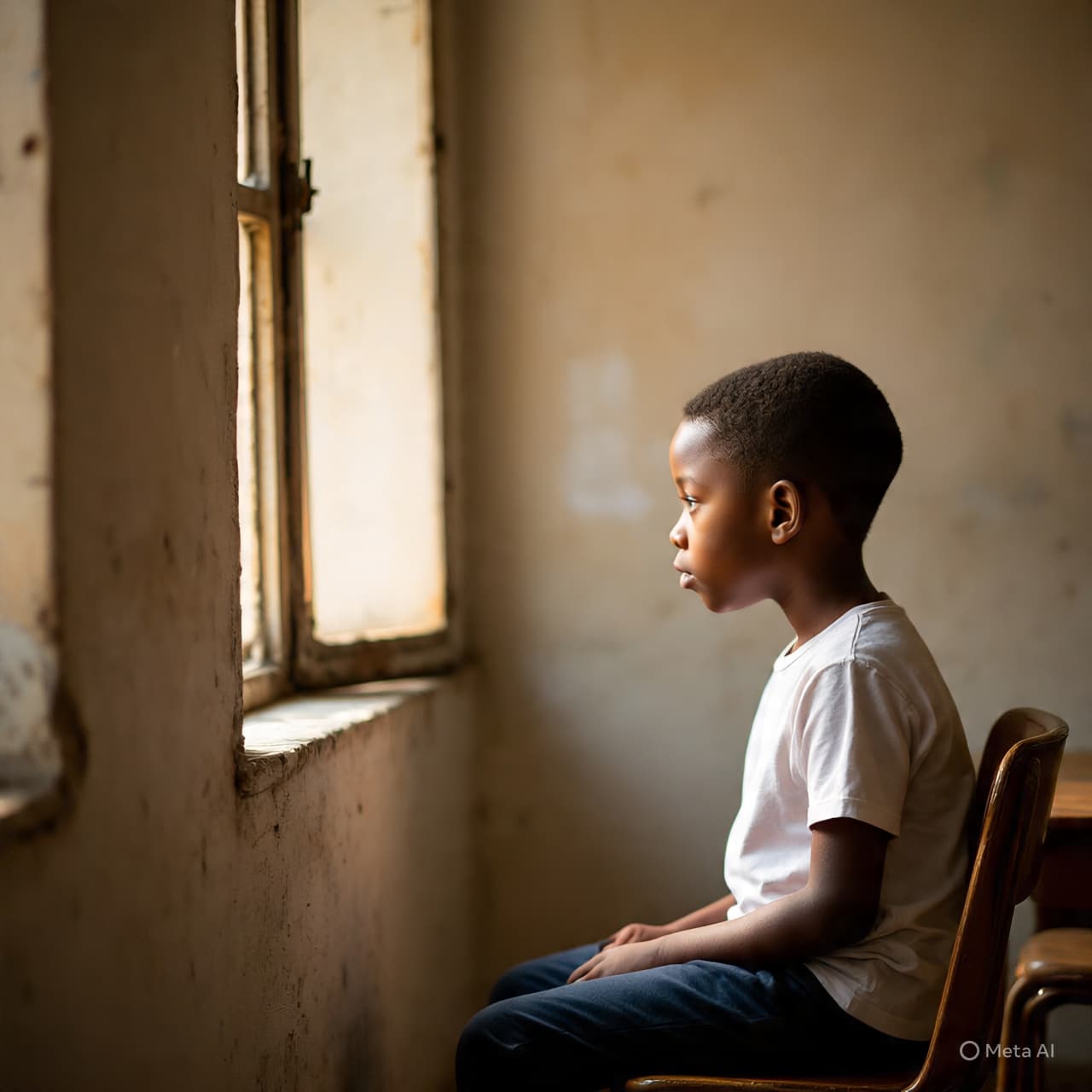
What makes this finding particularly significant is not only its scale, but its subtlety. Mental health struggles in children often do not arrive with clear signals. They may appear as changes in behavior, withdrawal, or even silence mistaken for calm. And in many cases, they remain unnoticed until they grow into something more difficult to address.
The broader context adds further depth to this concern. Data indicates that the number of children attempting to take their own lives has increased sharply over recent years, reflecting a reality that is both complex and deeply human . It suggests that what begins as emotional strain, if left unattended, can evolve into something far more serious.
Yet, these challenges do not exist in isolation.
Experts and policymakers alike point toward a network of contributing factors—family environments, social relationships, and educational pressures. A child’s mental well-being, it seems, is shaped not only by their inner world, but by the spaces they inhabit and the connections they form. In this sense, the issue extends beyond individual responsibility, becoming a shared reflection of society itself.
There is, however, a quiet shift underway.
Efforts to expand mental health screenings and strengthen support systems signal an awareness that early detection matters. The intention is not merely to identify problems, but to respond before they deepen—through community health centers, educational programs, and broader conversations about emotional well-being.
Still, awareness alone is only the beginning.
The more delicate challenge lies in changing how mental health is understood and discussed. In many settings, it remains surrounded by stigma or hesitation, making it harder for children—and those around them—to seek help openly. Bridging this gap requires not only policy, but empathy; not only systems, but listening.
Because perhaps the most important question is not how many children are struggling, but how many feel heard.
As these findings come into public view, they do not call for alarm alone, but for attention—measured, sustained, and compassionate. The numbers offer a starting point, but the response will be shaped by how society chooses to engage with what they represent.
In the quiet spaces where children grow, the smallest understanding may carry the greatest impact.
AI Image Disclaimer Images in this article are AI-generated illustrations, meant for concept only.
Sources : Kementerian Kesehatan RI Liputan6 DetikHealth Metro TV News Suara.com
Published by Banx Network. This article is part of the Banx decentralized media programme, powered by the BXE token on the XRP Ledger.