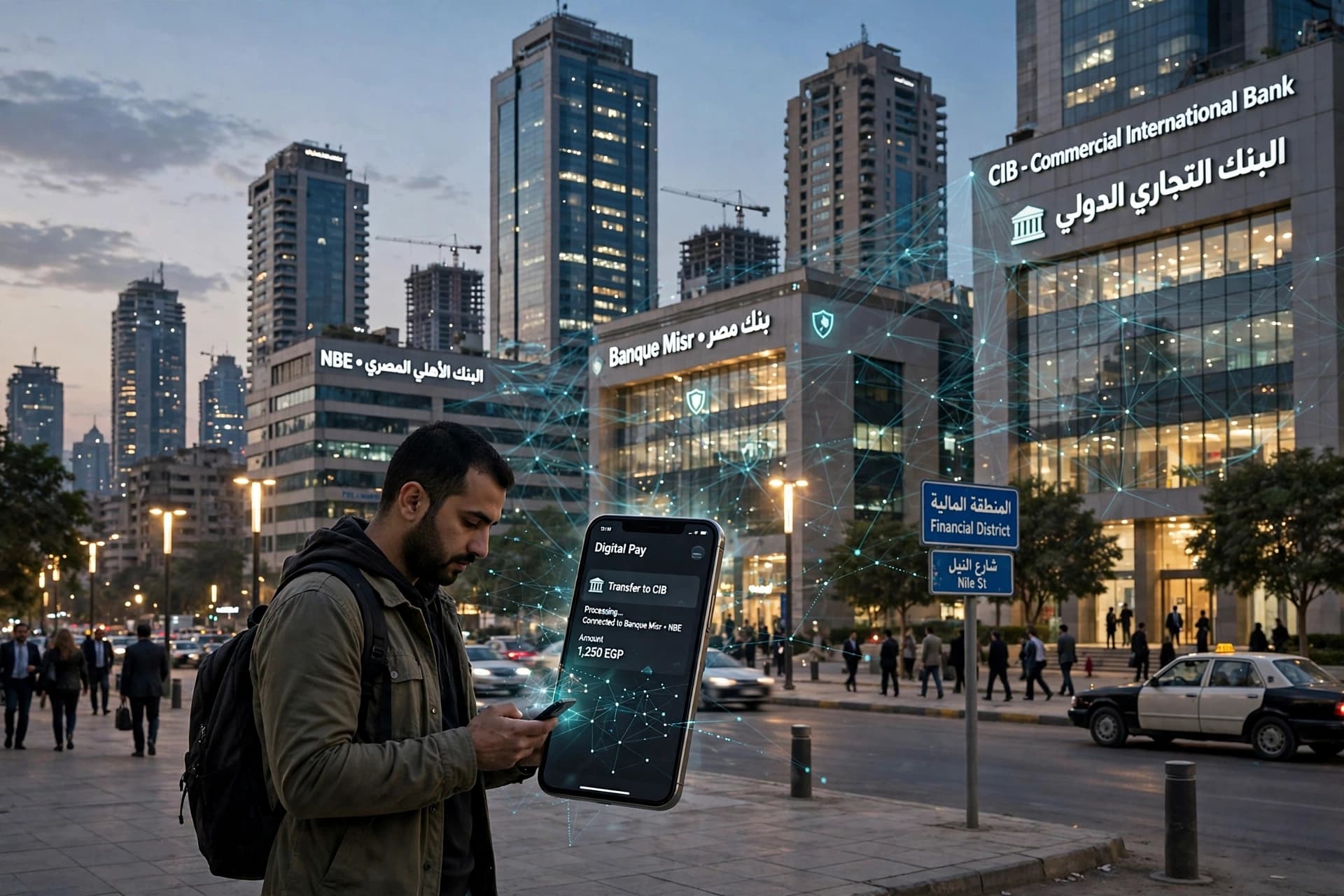
Artificial intelligence can appear weightless when viewed through a screen. A question is typed, a calculation appears, an image is generated, and the machines seem to perform their work somewhere beyond the visible world. Behind every such interaction, however, stands a physical infrastructure of processors, electricity, networks, storage, and people.
Egypt is now confronting that physical side of its artificial intelligence ambitions. The country is implementing a national AI strategy through 2030 while preparing new infrastructure intended to support greater adoption of AI across the economy and public services.
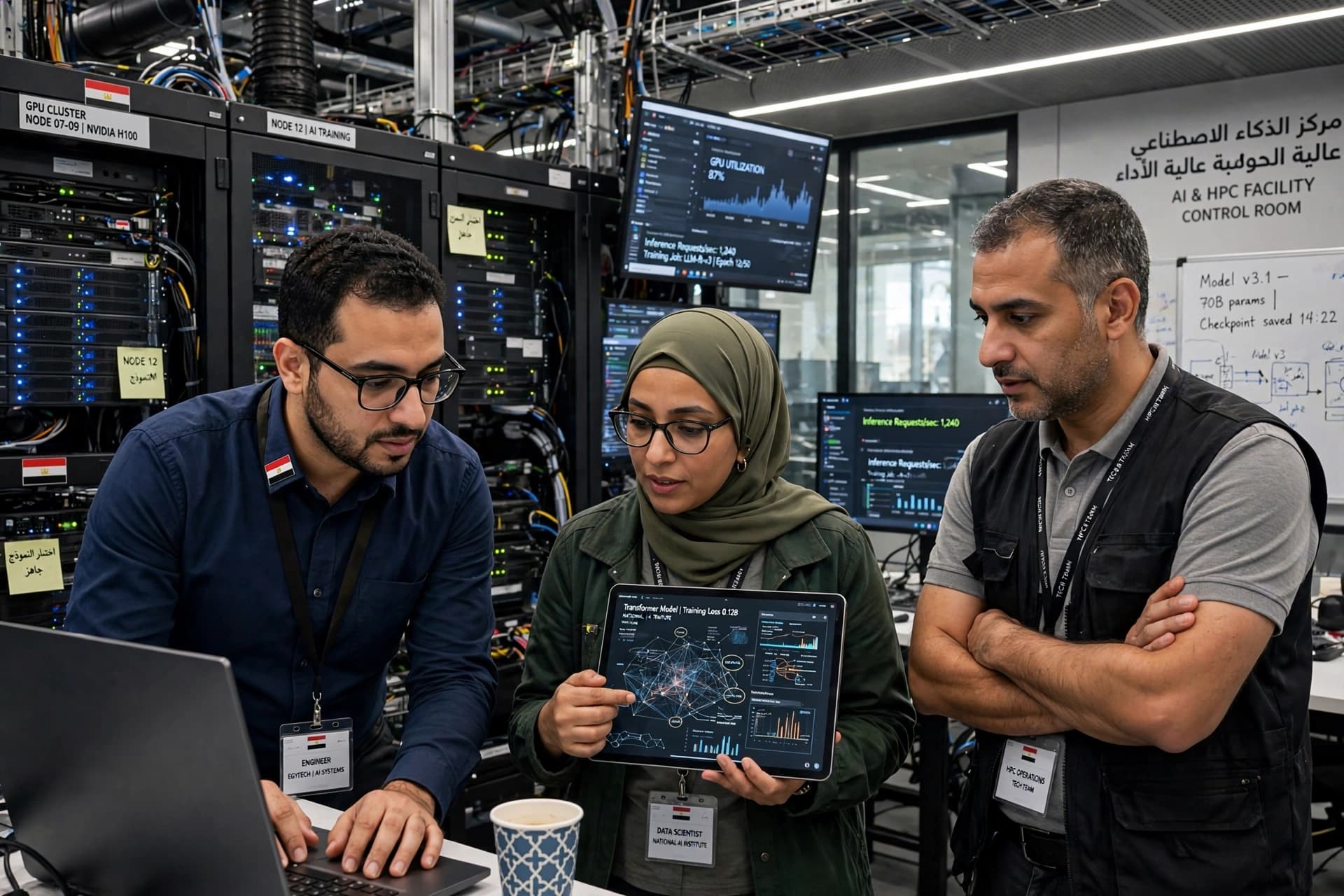
Computing capacity has become one of the central questions. AI systems, particularly more advanced models, require substantial processing power. Data centers therefore become an important part of the digital economy because they provide the computing and storage infrastructure on which many AI applications depend.
Egypt’s government has been preparing a national data-center strategy as part of this broader transformation. The strategy is intended to expand domestic capacity and attract investment in infrastructure capable of supporting future data and computing requirements.
The country’s geographical position provides another advantage. Around 20 submarine cables pass through Egypt, carrying international data traffic between Europe and Asia. That connectivity gives the country an established position in the global movement of information and provides a foundation for further digital infrastructure development.
But infrastructure alone cannot create a digital economy. Skilled people are equally important. Egypt is therefore expanding programs intended to train workers in artificial intelligence, software development, digital services, and other technology-related fields.
The need for specialized talent becomes particularly important as AI infrastructure becomes more sophisticated. Operating high-performance computing systems, managing data centers, developing AI applications, and maintaining cybersecurity all require different combinations of technical expertise.
Earlier assessments of Egypt’s AI ecosystem have also identified gaps involving local cloud infrastructure, access to computing resources, and specialized talent. These challenges illustrate that the development of AI is not simply a question of acquiring software; it requires a complete ecosystem around the technology.
Egypt’s digital economy is consequently developing along several paths at once. Data centers are expanding, training programs are growing, businesses are adopting AI, and government institutions are building new digital systems. Each part depends on the others.
The result is a technological landscape that is becoming increasingly physical beneath its digital surface. Behind every cloud service stands a facility; behind every AI application stands computing power; and behind every complex digital system stands a person with the skills to build and maintain it. Egypt’s next stage of digital development will depend on how well these pieces can grow together.
SEO SLUG
egypt-ai-digital-economy-computing-talent-2026
HASHTAGS
#Egypt #AI #ArtificialIntelligence #DigitalEconomy #DataCenters #CloudComputing #Technology #DigitalTalent
IMAGE DISCLAIMER
This AI-generated image is a conceptual editorial visualization and does not represent an actual Egyptian data center, AI project, employee, or facility.
SOURCES
Egypt Business Ahram Online Techno Time OECD
Published by Banx Network. This article is part of the Banx decentralized media programme, powered by the BXE token on the XRP Ledger.