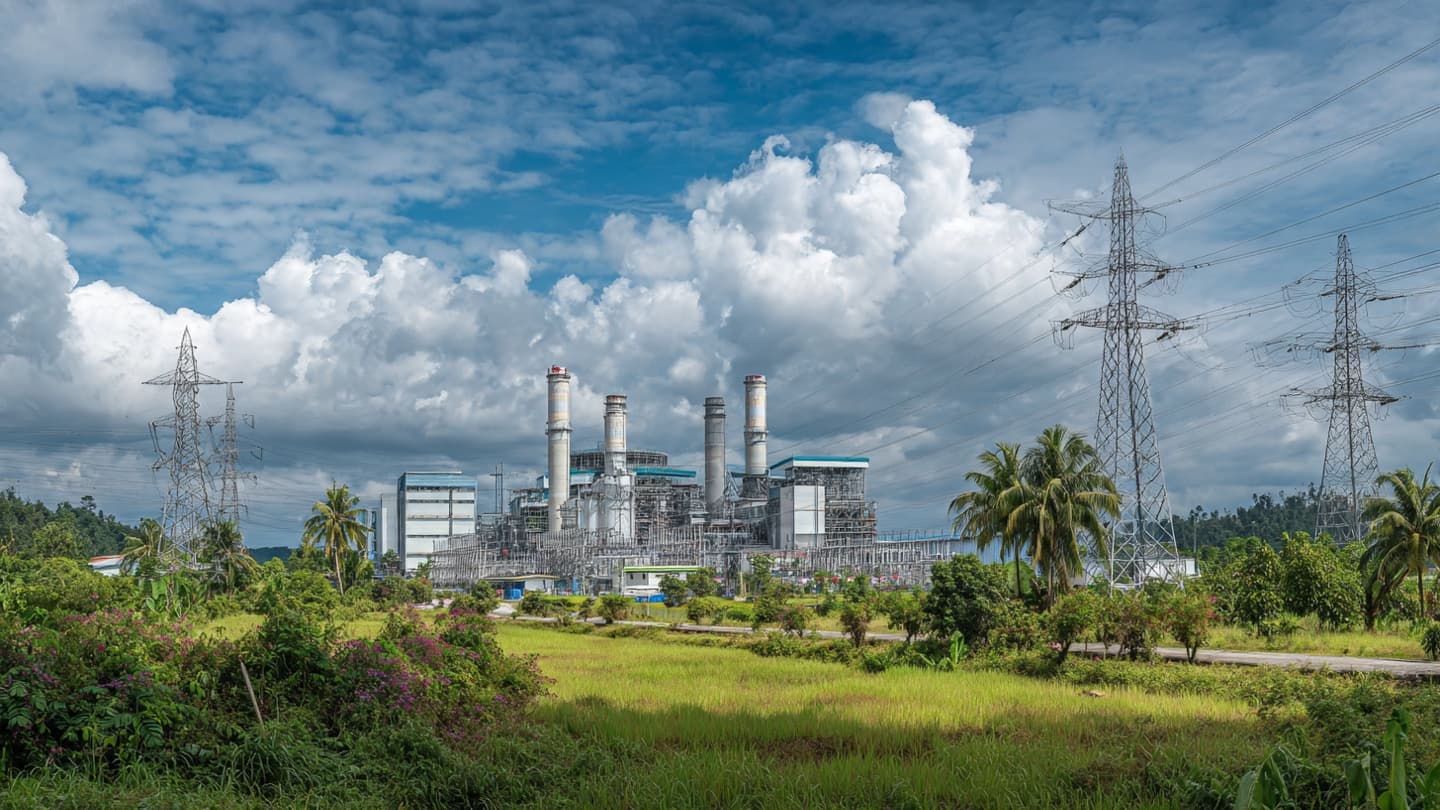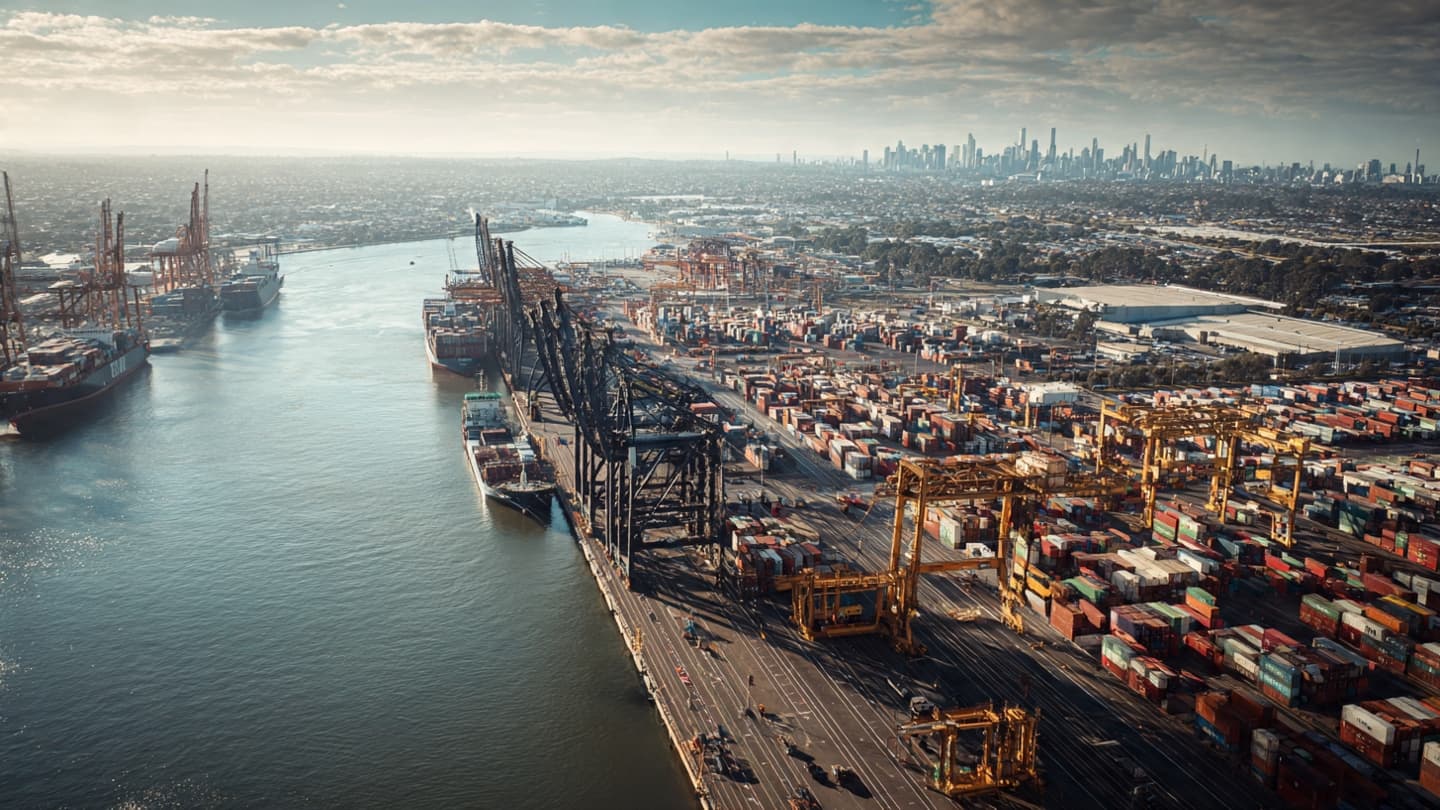
In Australia's cities, economic movement is rarely visible all at once. It appears instead through households making purchases, businesses expanding activity, construction continuing, and services moving through streets and ports. During the second quarter of 2026, those separate currents combined to produce stronger-than-expected economic growth.
Australia's gross domestic product increased 0.4% from the previous quarter and was 2.1% higher than a year earlier. The result exceeded expectations and provided a stronger reading for an economy that has been watched closely for signs of sustainable growth.
The quarterly figure may appear modest when viewed alone, but the annual increase offers a broader picture. It indicates that Australia's economy continued expanding compared with the same period a year earlier, even as businesses and consumers navigated changing financial conditions.
Household activity remains an important component of the economic picture. Consumer spending can influence everything from retail sales and hospitality to transportation and services. When households become more active, the effect can gradually travel through businesses that depend on everyday demand.
Businesses, meanwhile, continue to adjust to the changing economic environment. Investment decisions are influenced by borrowing costs, demand expectations, labor conditions, and the wider outlook. Stronger national output can provide a more supportive background for companies considering new activity, although individual sectors can still experience very different conditions.
The second-quarter figures also arrive as Australia's relationship with global markets remains significant. The country is deeply connected to international trade, particularly through commodities and resources. Movements in global demand can therefore influence national income and business conditions well beyond the immediate domestic economy.
The stronger-than-expected result may also affect expectations surrounding Australia's economic trajectory. Analysts and investors often use quarterly GDP data as one piece of a larger picture, combining it with employment, inflation, household spending, business investment, and other indicators before forming a view about the months ahead.
For households, however, national growth figures can feel distant from daily economic pressures. Rising living costs, housing expenses, and borrowing conditions can shape personal financial decisions even when headline GDP numbers show expansion. The national economy and household experience do not always move at exactly the same pace.
As Australia moves into the second half of the year, attention will remain on whether the second-quarter momentum can continue. The latest figures provide a stronger-than-expected reading, with annual growth reaching 2.1%, while the coming quarters will show whether that pace can be sustained.
AI Image Disclaimer The images accompanying this article were created with artificial intelligence and should be understood as conceptual visualizations rather than photographs.
Sources The Wall Street Journal Australian Bureau of Statistics Reuters Bloomberg ABC News
Published by Banx Network. This article is part of the Banx decentralized media programme, powered by the BXE token on the XRP Ledger.