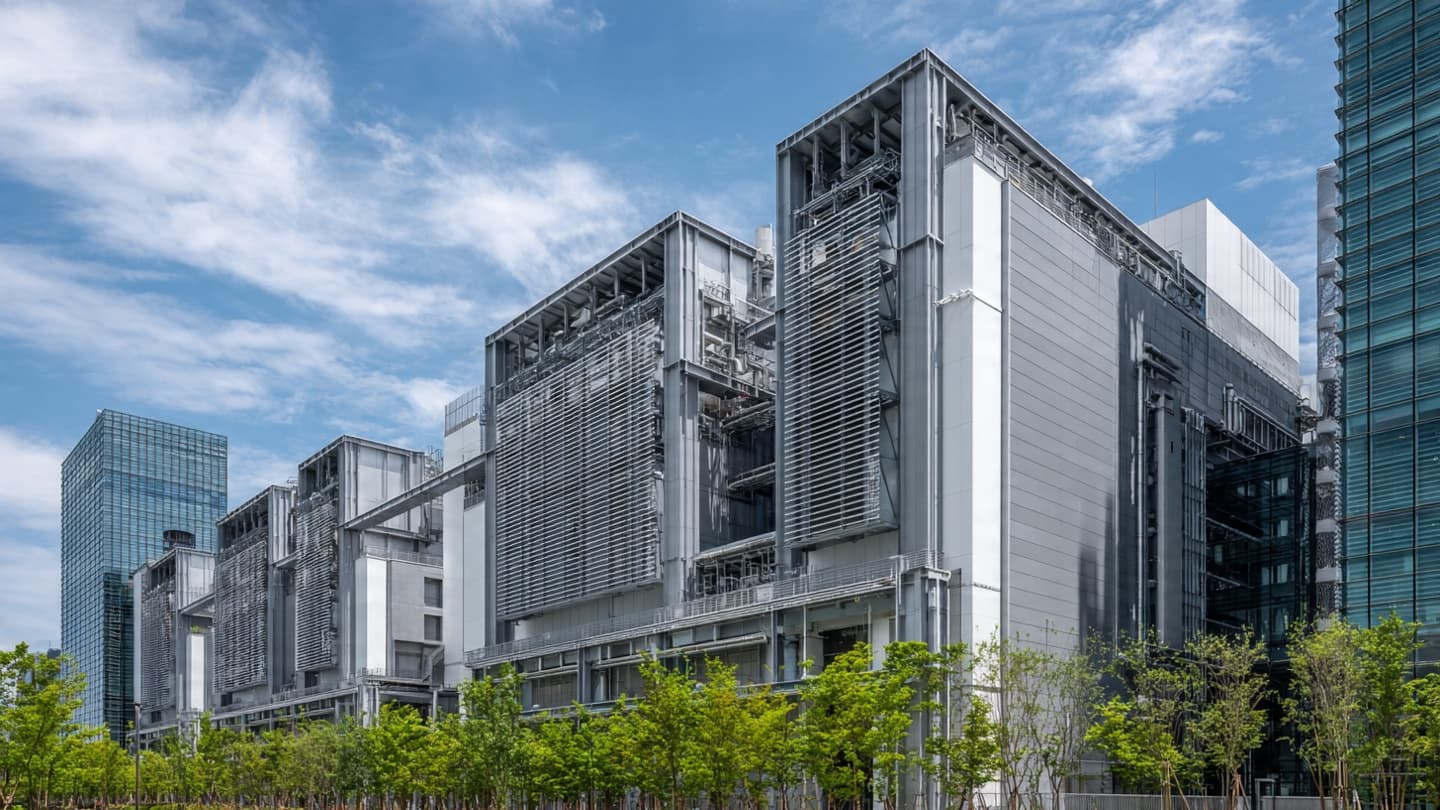
Across parts of the United States, large industrial buildings have begun appearing where farmland, warehouses, or older manufacturing facilities once dominated the landscape. Inside them, rows of machinery are being assembled for a product that did not exist at such scale a generation ago: the modern battery.
Battery manufacturing has become an important part of the American industrial investment cycle. Automakers, technology companies, and energy developers are expanding capacity as electric vehicles and stationary energy storage become more widely used.
The growth of electric vehicles has changed the relationship between automakers and their suppliers. Batteries now represent one of the most important components of an electric vehicle, requiring manufacturers to establish reliable sources of cells and related materials.
Several large battery plants are being developed across the American South and Midwest. These facilities can involve billions of dollars in investment and create thousands of jobs during construction and operation.
The impact extends beyond the factories themselves. Battery plants require chemicals, metals, machinery, software, transportation services, and specialized equipment, creating demand across a wide industrial network.
Lithium, nickel, graphite, and other materials form part of the supply chain. Companies are increasingly seeking ways to secure these resources through domestic production, recycling, and partnerships with international suppliers.
Battery technology is also evolving quickly. Lithium-iron-phosphate chemistry has gained popularity for certain applications because of its cost and material characteristics, while other technologies continue to focus on energy density and charging performance.
Energy storage provides another source of demand. As solar and wind power expand, batteries can help store electricity for periods when renewable generation is lower, creating a market separate from electric vehicles.
For local communities, new battery factories can bring both employment and infrastructure investment. Roads, utilities, housing, and industrial services may expand around large manufacturing projects.
The industry nevertheless faces challenges. Battery plants are capital-intensive, demand for electric vehicles can fluctuate, and companies must compete globally on cost, technology, and supply-chain reliability.
The American battery industry is therefore still taking shape. Each new facility adds manufacturing capacity, while companies continue experimenting with technologies and business models that could determine how electric mobility and energy storage develop over the coming decade.
AI IMAGE DISCLAIMER
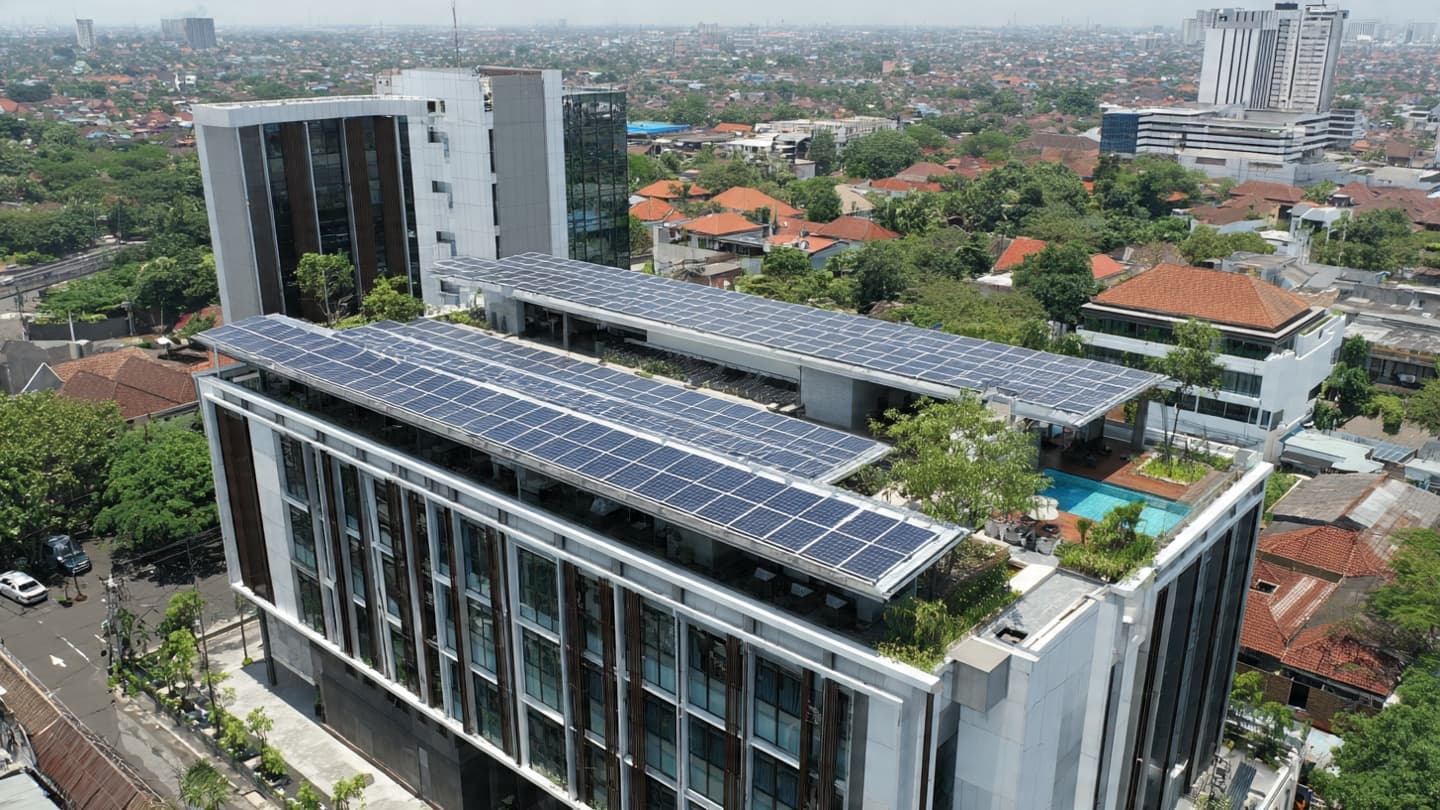
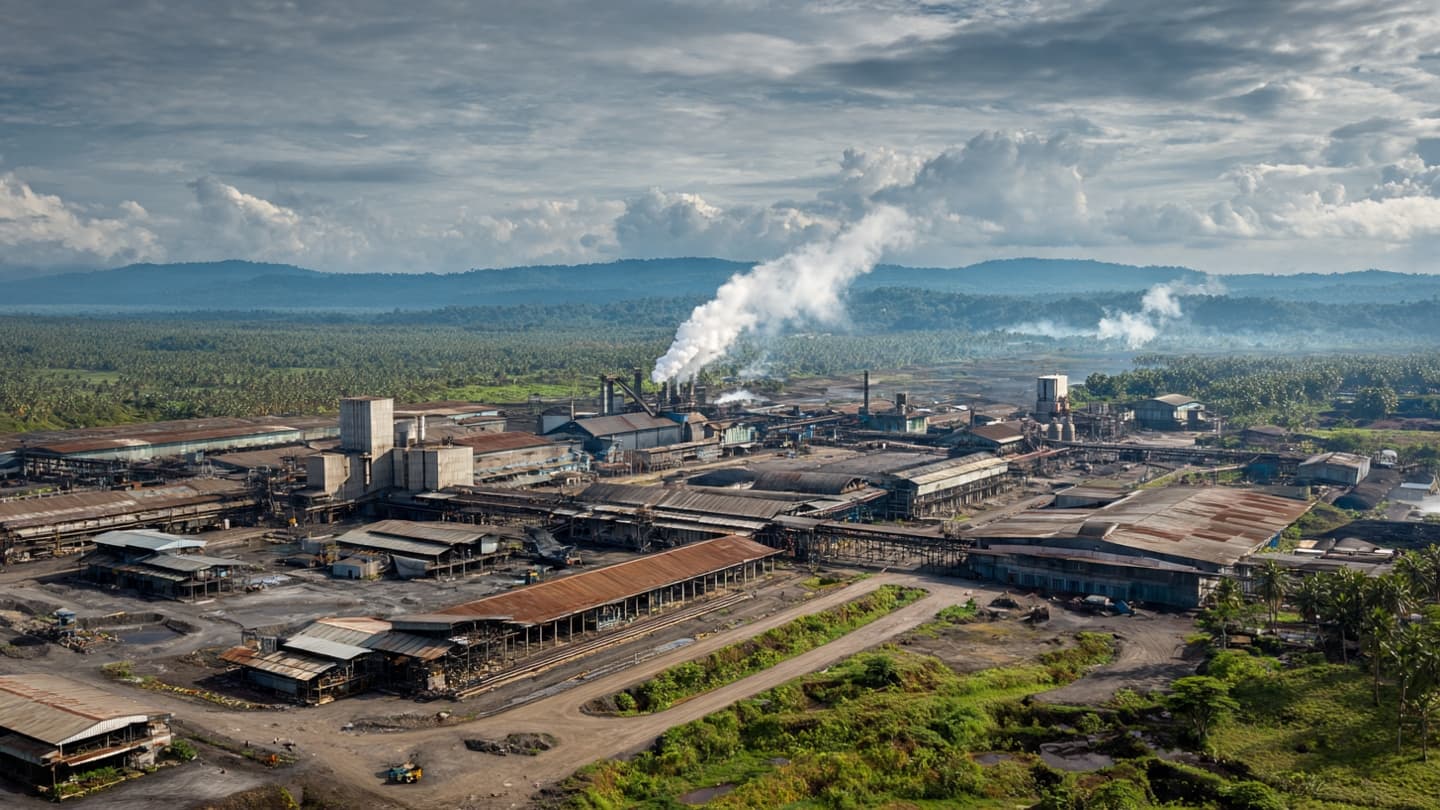
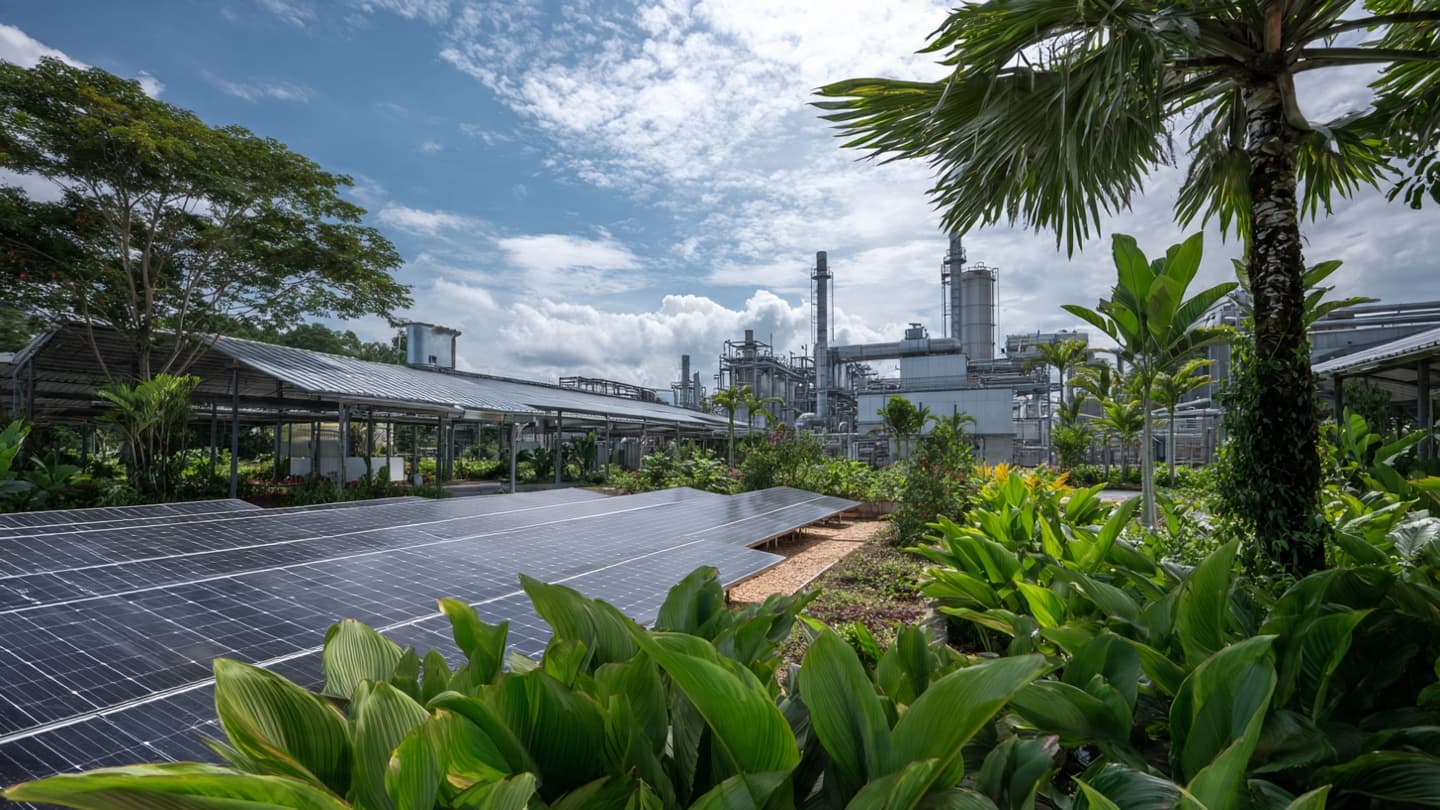
These visuals were generated using AI tools and are conceptual representations of U.S. battery manufacturing and electric-vehicle infrastructure.
SOURCES
Reuters U.S. Department of Energy International Energy Agency U.S. Geological Survey
Published by Banx Network. This article is part of the Banx decentralized media programme, powered by the BXE token on the XRP Ledger.