Energy is often most visible when it disappears, leaving factories quiet and streets darker than usual. In Brunei Darussalam, however, energy security is increasingly being considered as something broader: a foundation that supports economic activity, infrastructure, investment, and the country's longer development path.
Recent discussions in Brunei have emphasized the need to coordinate energy planning with economic planning. The approach considers projected energy demand alongside supply capacity, population growth, industrial development, and future infrastructure requirements.
That perspective places energy beyond the boundaries of electricity generation alone. Reliability, affordability, resilience, and sustainability have all been identified as elements of energy security, reflecting the way modern economies depend on stable systems to keep businesses and essential services operating.
For an economy with significant energy-sector foundations, the question of future supply carries particular weight. Industrial development requires dependable power, while businesses considering new investments need confidence that infrastructure can support their operations over the long term.
Brunei's economic strategy also involves strengthening sectors outside its traditional energy base. Recent national discussions have highlighted downstream oil and gas activities, food, tourism, information and communications technology, and services as priority areas for economic development.
Infrastructure therefore becomes part of the same conversation. Electricity generation, transmission, and distribution systems require planned maintenance and upgrades, particularly as industrial and residential demand changes. Long-term planning can help ensure that infrastructure expands alongside economic activity rather than following behind it.
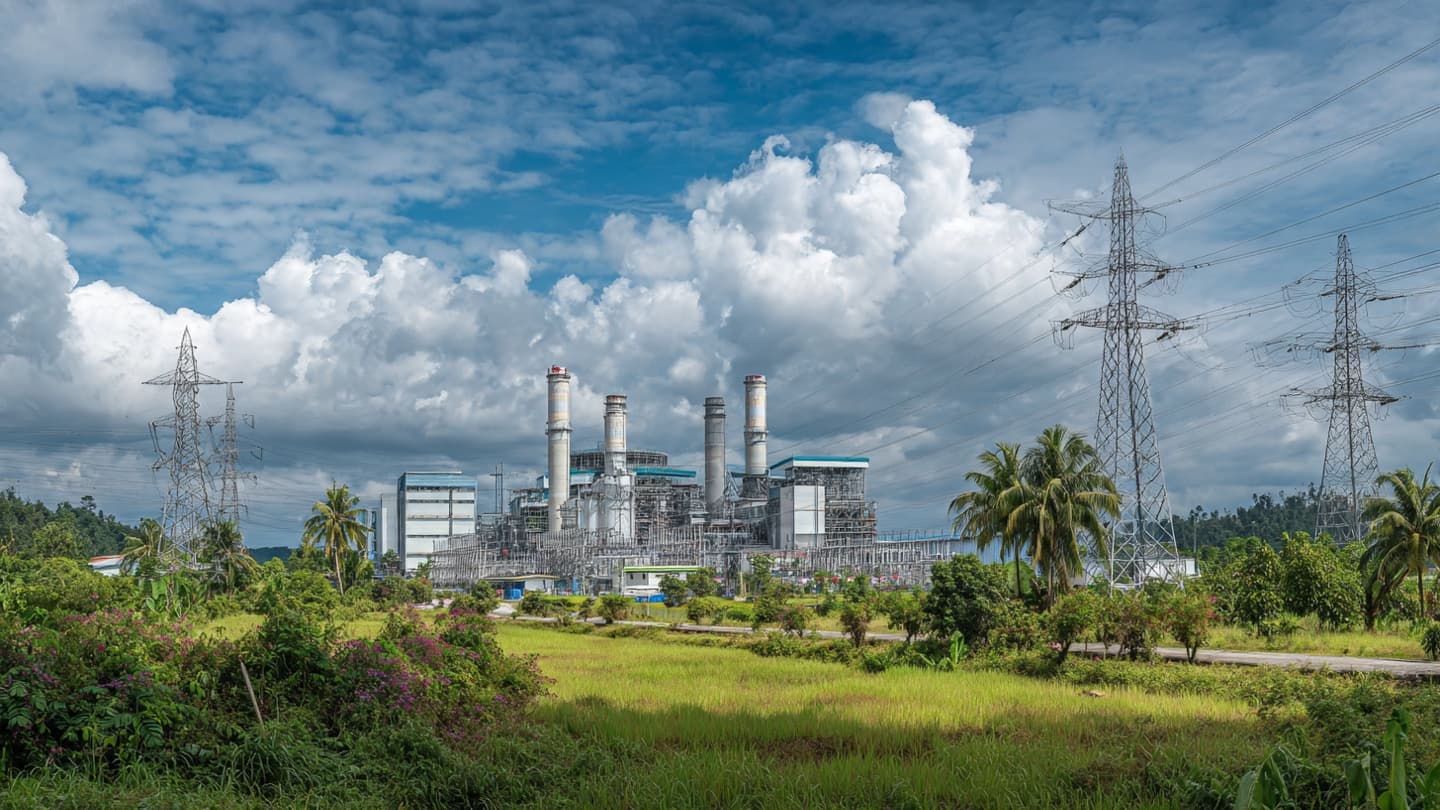
One recent development illustrates the continuing investment in Brunei's power infrastructure. The Department of Electrical Services signed a contract in August for Phase 2 of the Bukit Panggal Combined Cycle Gas Turbines Power Station construction project with Sinohydro Corporation Limited.
The broader economic discussion also connects energy resilience with investor confidence. Brunei's official statements have emphasized that stable and sufficient energy supplies can support economic activity and contribute to confidence among investors, particularly as countries consider external disruptions and changing global supply chains.
The coming years will show how effectively these plans translate into infrastructure, industrial capacity, and diversified economic activity. For now, Brunei's approach is increasingly placing energy planning alongside economic planning, reflecting the close relationship between reliable power and the country's wider development ambitions.
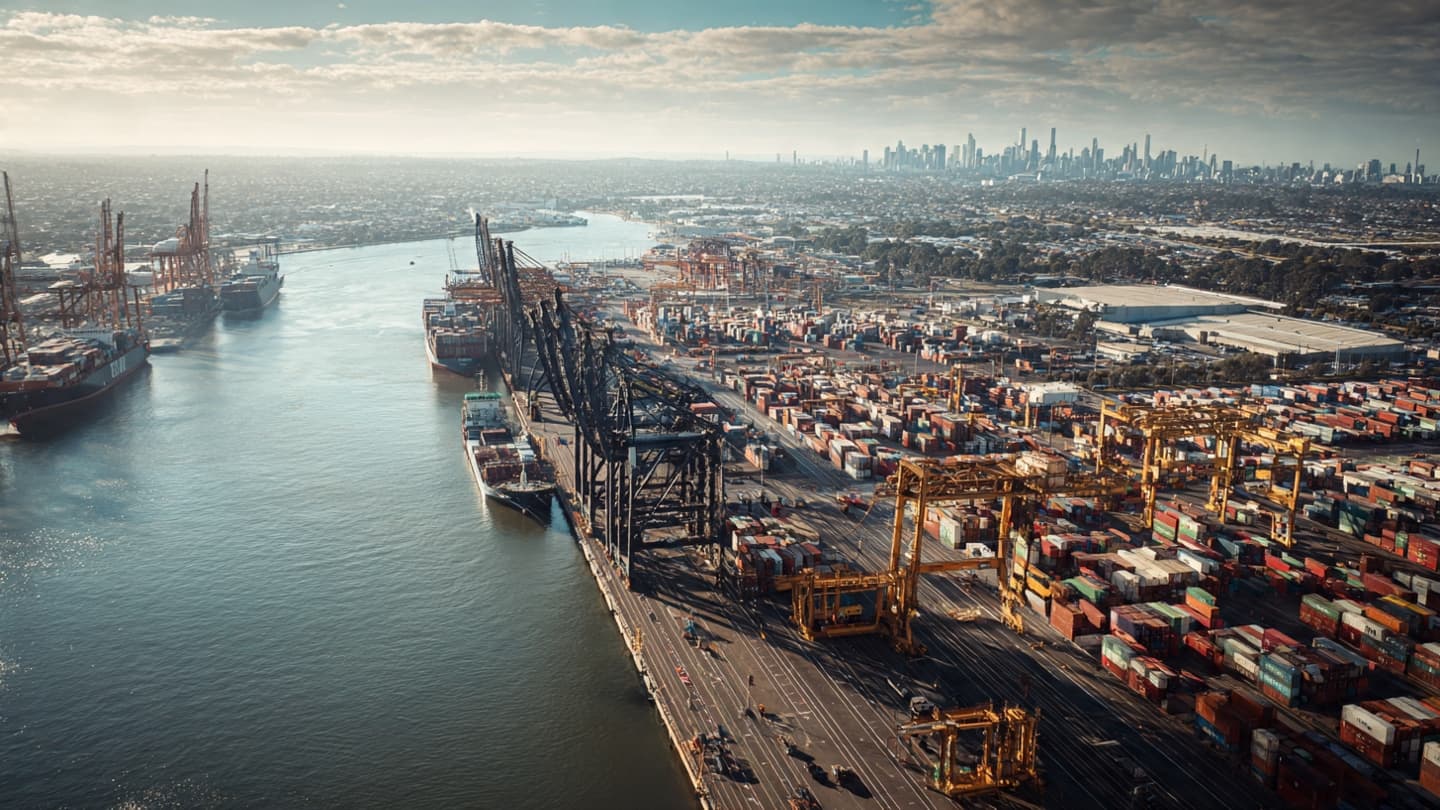
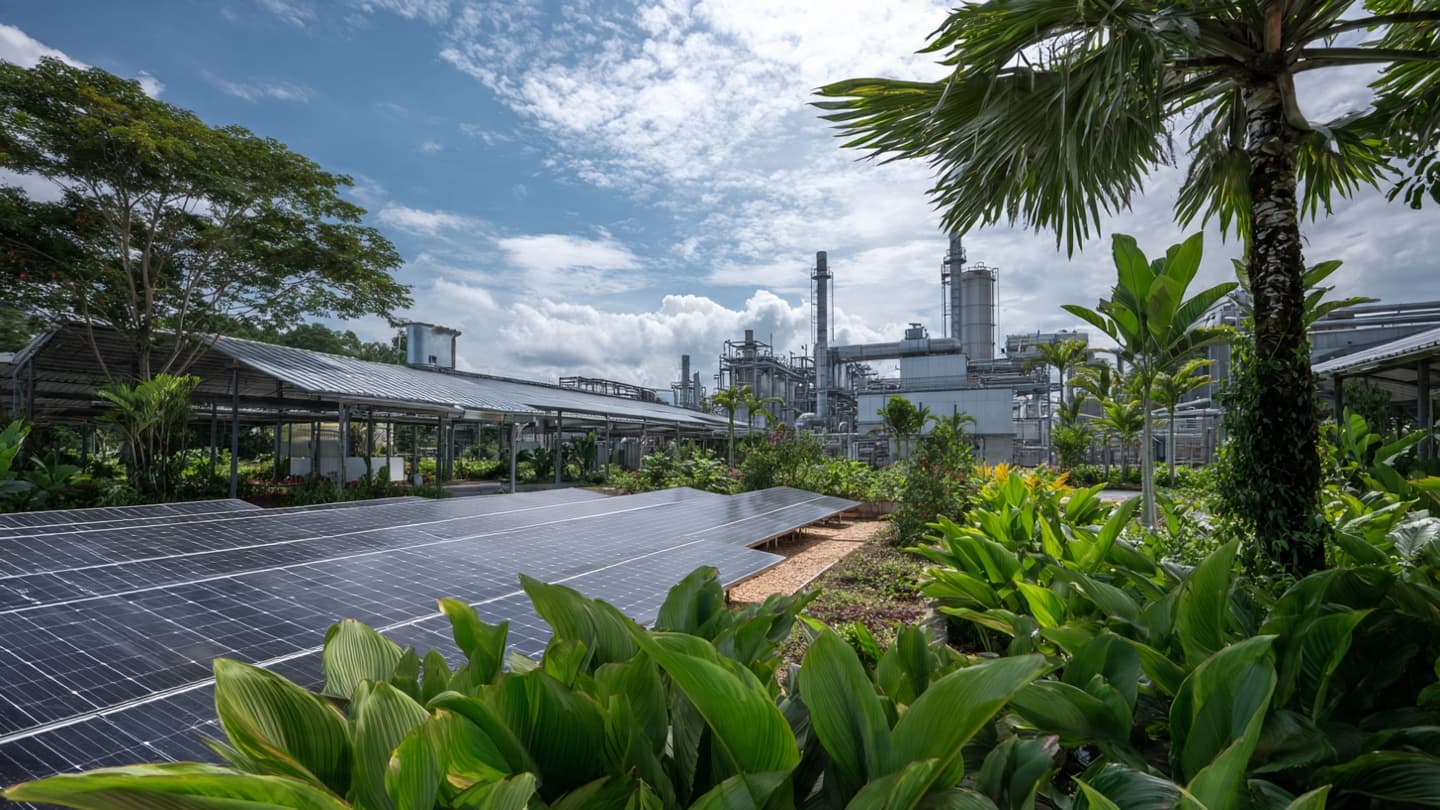
AI Image Disclaimer The illustrations accompanying this article were generated using AI and are intended as conceptual visual material, not real photographs.
Sources Brunei Department of Councils of State Department of Energy Brunei Darussalam Pelita Brunei Borneo Bulletin Brunei Economic Development Board
Published by Banx Network. This article is part of the Banx decentralized media programme, powered by the BXE token on the XRP Ledger.