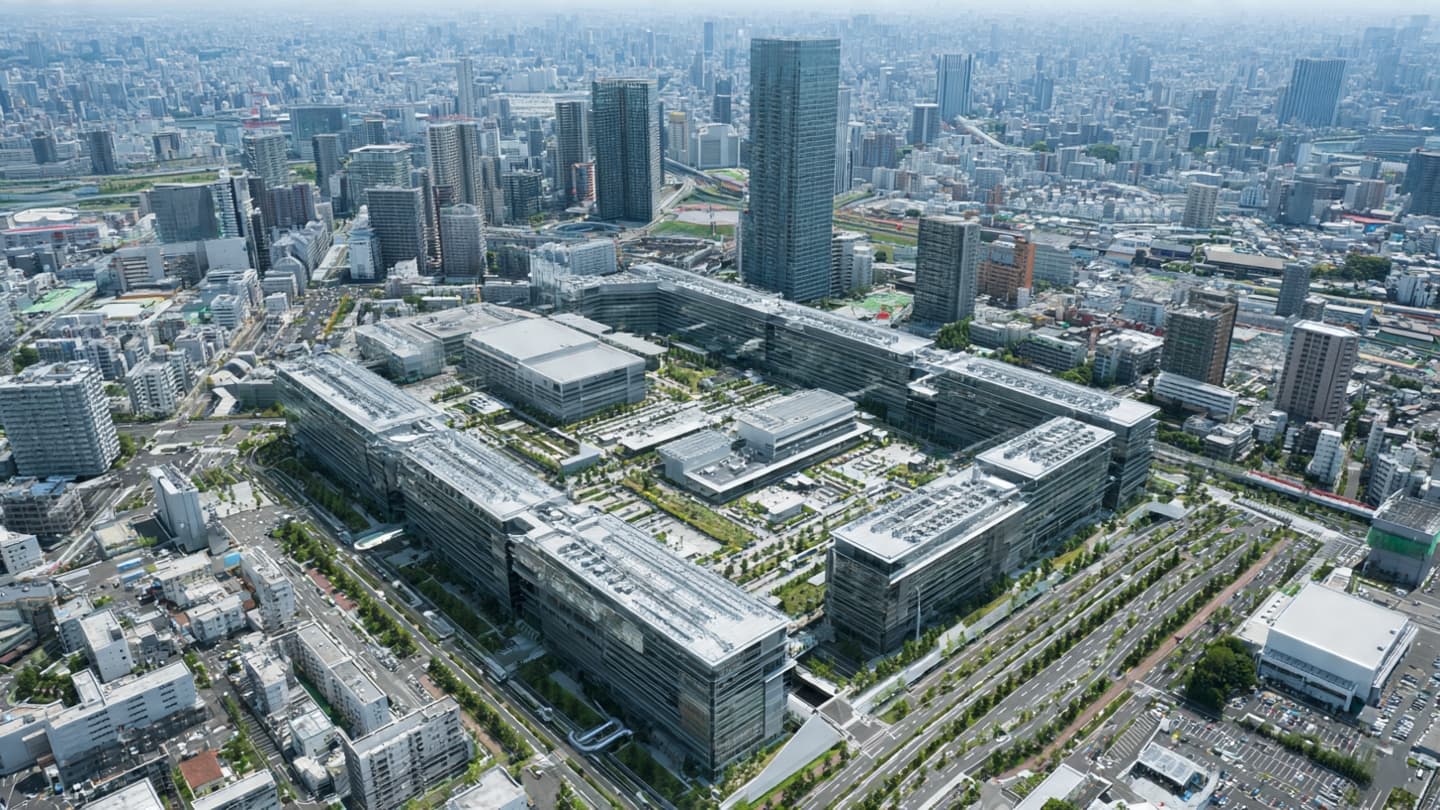
The digital economy leaves a physical footprint, even when its services seem to exist somewhere beyond the screen. In Tokyo, that footprint takes the form of buildings filled with servers, cooling equipment, electrical systems, and miles of network connections. Singaporean capital is now moving further into that infrastructure.
Keppel DC REIT and its sponsor Keppel agreed to acquire a 90% effective interest in two data centers in Tokyo for approximately 190 billion yen, or about $1.19 billion. The transaction was announced on September 1 and represents a significant expansion of the Singapore-based trust's presence in Japan.
The acquisition is also closely connected to the broader expansion of data infrastructure across Asia. Artificial intelligence, cloud computing, streaming services, digital commerce, and enterprise software all require facilities capable of storing and processing enormous amounts of information.
Japan has become an increasingly attractive market for data-center investment because of its large economy, advanced telecommunications infrastructure, and growing demand for computing capacity. Tokyo, in particular, remains one of Asia's major technology and financial centers.
For Keppel DC REIT, the transaction would substantially change the geographical balance of its portfolio. Japan's contribution to rental income is expected to increase from around 9% to 23% following the acquisition, according to Reuters.
The deal also illustrates how data centers have evolved into a distinct form of real estate. Unlike conventional office buildings or shopping centers, data centers are designed around electricity, cooling, network connectivity, physical security, and uninterrupted operation.
Demand for these facilities has strengthened as companies expand their use of artificial intelligence. AI workloads can require substantially greater computing capacity than many conventional digital services, increasing pressure on technology companies to secure suitable locations for servers.
Singapore has developed significant expertise in digital infrastructure, although land and power constraints limit the amount of new data-center capacity that can be added domestically. Investment abroad provides Singapore-based companies with another way to participate in the expanding regional digital economy.
Japan, meanwhile, benefits from new capital entering a sector that requires substantial investment. Data centers can support surrounding industries ranging from construction and engineering to energy, telecommunications, property management, and specialized technology services.
The Tokyo transaction therefore represents more than a property purchase. It reflects the growing connection between financial capital and the physical infrastructure required to operate the digital world. As AI and cloud computing continue to expand, those connections are likely to become increasingly visible across Asia.
AI IMAGE DISCLAIMER
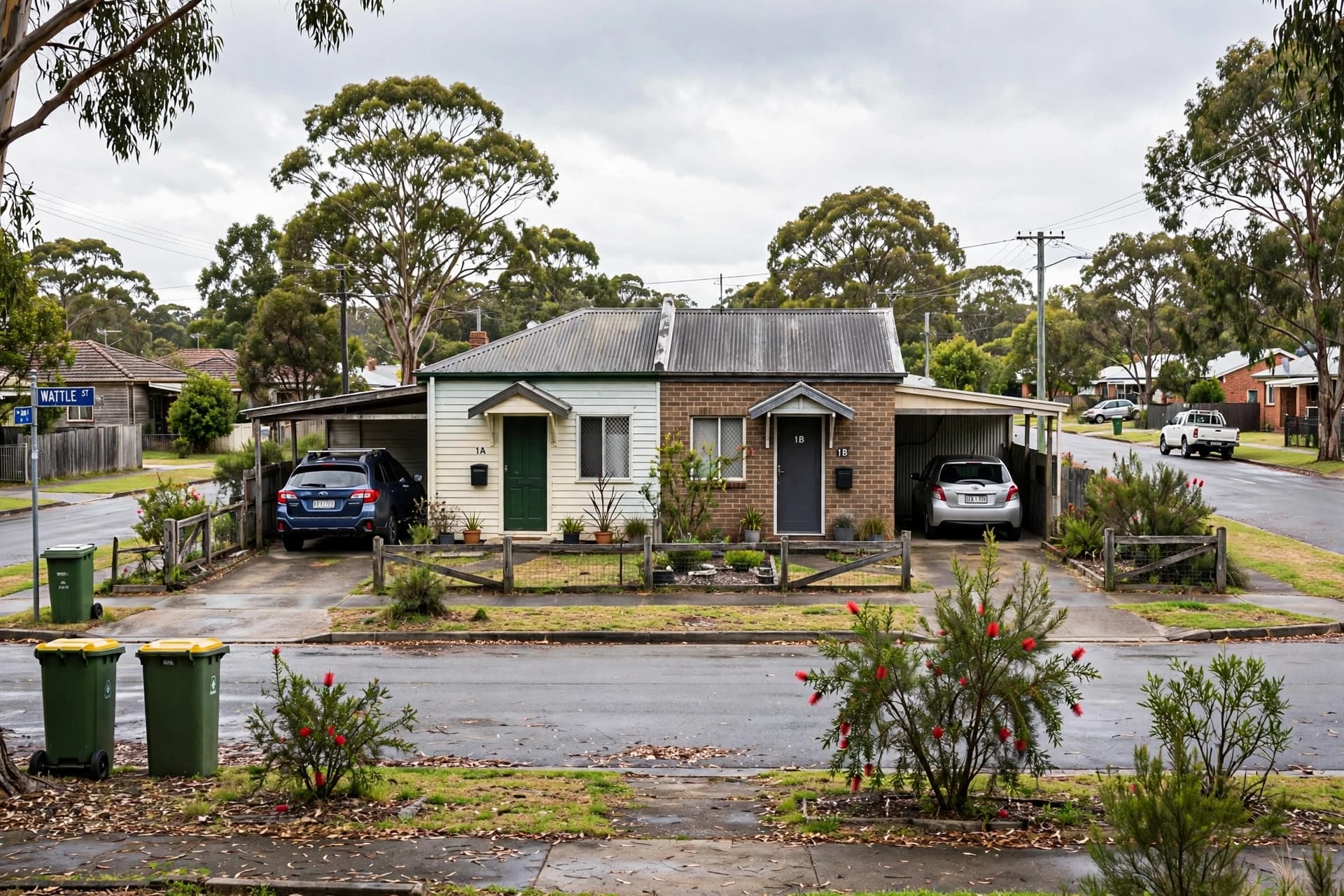
The accompanying illustrations were generated with AI and are conceptual representations of data-center infrastructure and investment activity.
SOURCES
Reuters Keppel Keppel DC REIT
Published by Banx Network. This article is part of the Banx decentralized media programme, powered by the BXE token on the XRP Ledger.