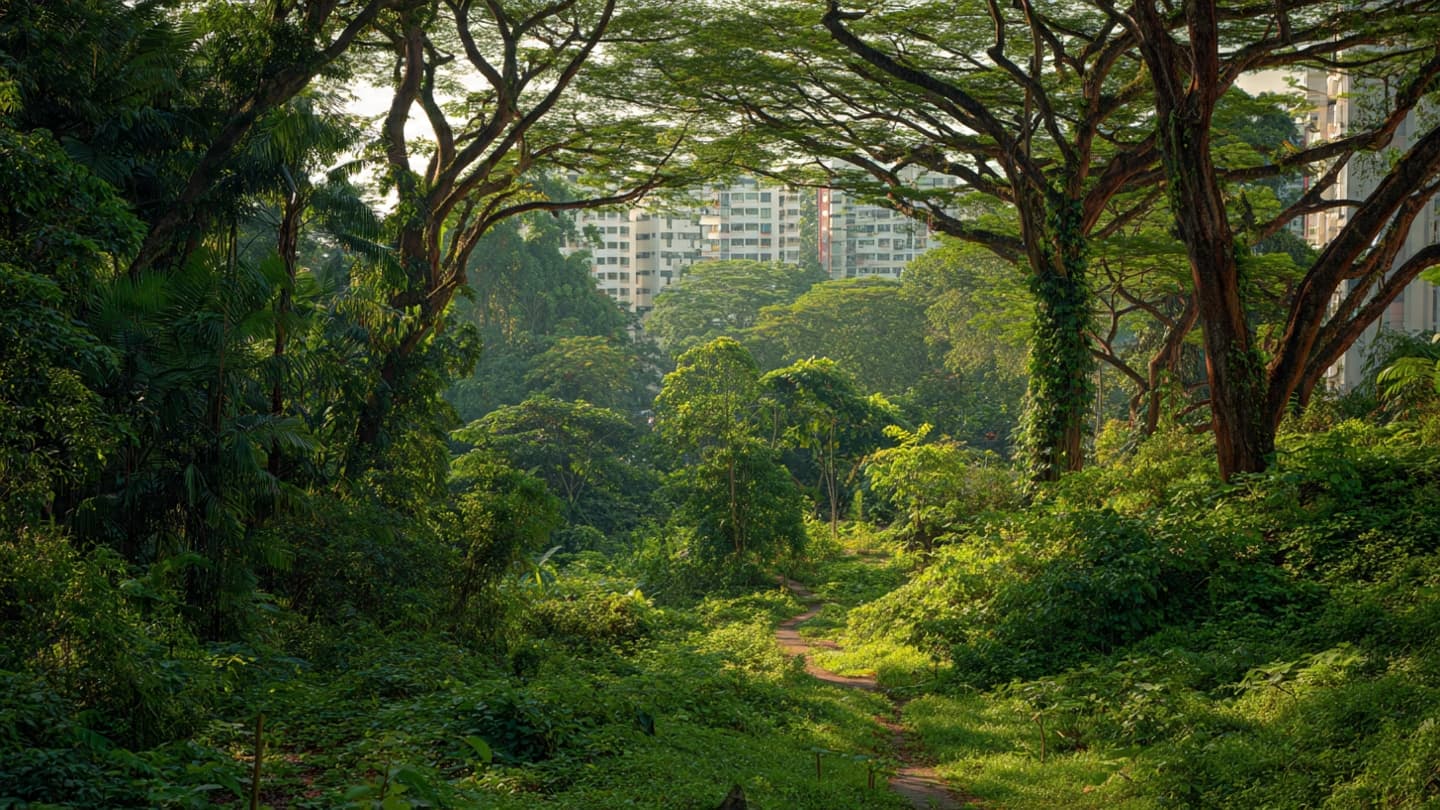
Singapore’s forests can feel almost hidden. Between expressways, apartment towers and industrial districts, patches of green remain where trees create a different rhythm from the dense city around them. Maju Forest is one such place, occupying a relatively small area in the western part of the island.
The government is reconsidering aspects of a plan to clear much of the 23-hectare forest for high-density public housing after public concern about the loss of the woodland. Reuters reported the development on August 21.
Singapore faces a familiar urban problem in an unusually concentrated form. The island has limited land, while demand for housing, infrastructure and economic facilities continues to compete for the same physical space. Every parcel therefore carries several possible futures.
The original proposal called for about two-thirds of Maju Forest to be cleared. The site was identified for housing as Singapore seeks to expand its public-housing capacity and accommodate a growing population.
Yet the forest has also developed significance among residents and environmental groups. Secondary forests such as Maju may not have the same ecological characteristics as untouched primary rainforest, but they can still provide habitat, shade, vegetation and recreational space within a densely developed city.
The debate reflects a broader question about what urban nature means. In a city where buildings and transport infrastructure occupy much of the landscape, even relatively modest forested areas can become important places for people seeking contact with vegetation and open space.
The government's decision to adjust the proposal shows how urban planning can evolve after public consultation. Rather than treating land as having only one function, planners increasingly have to account for housing, biodiversity, recreation and environmental considerations simultaneously.
For Singapore, this balancing act is especially visible because the island's physical boundaries are fixed. A hectare allocated to one purpose cannot easily be replaced by another hectare elsewhere without affecting another part of the city.
The future of Maju Forest therefore reaches beyond the trees themselves. It illustrates how Singapore must continually decide what kind of urban landscape it wants to preserve while meeting the practical need for homes and infrastructure.
For now, the government is adjusting its approach to the proposed development, while discussion continues over the forest's future. Maju remains a small green space within a highly urbanized island, but its fate has become part of a much larger conversation about how Singapore makes room for both people and nature.
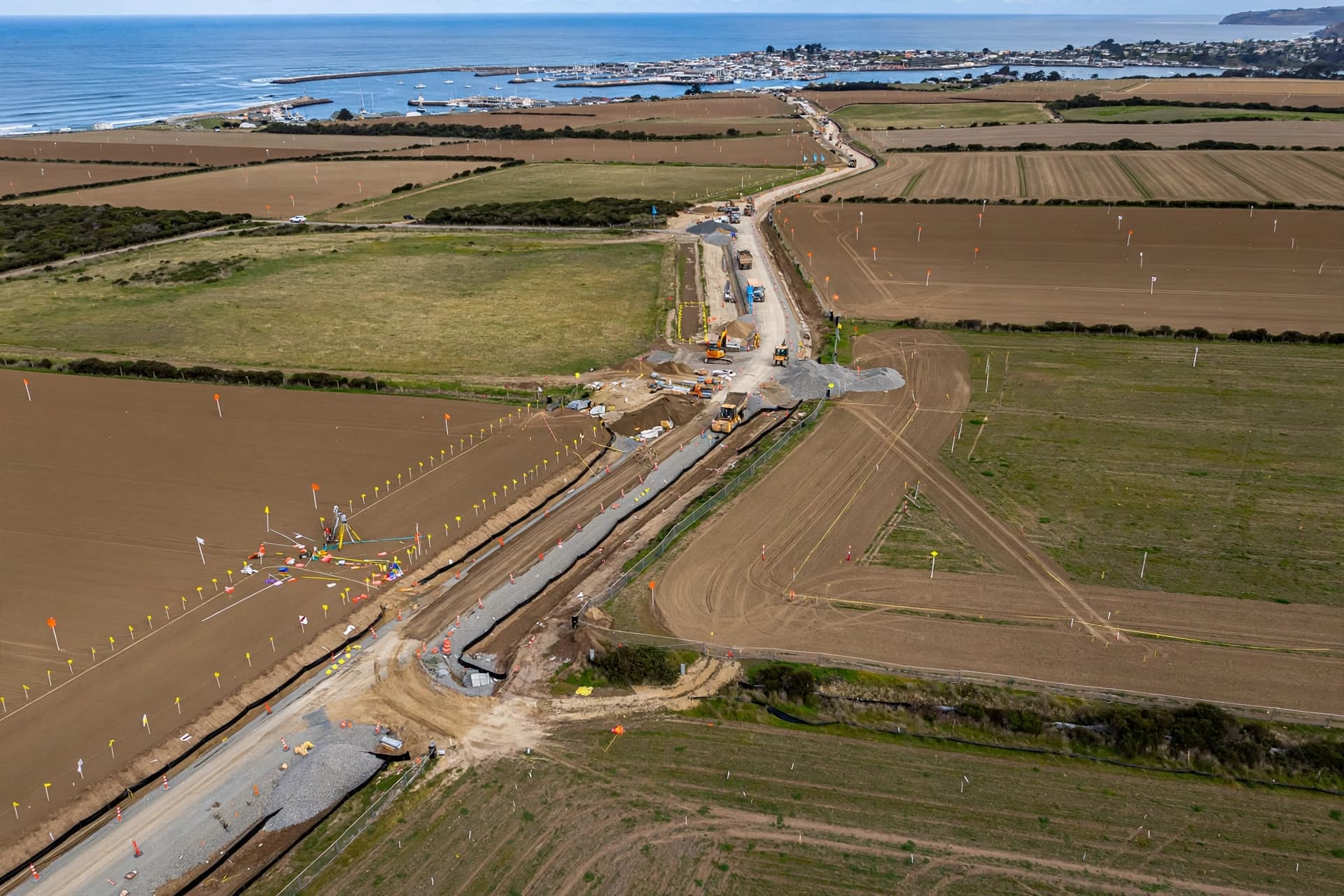
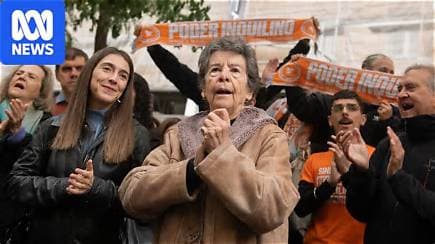
AI Image Disclaimer These images were produced using AI as conceptual illustrations and are not real photographs of Maju Forest or Singapore’s planning sites.
Sources Reuters Singapore Ministry of National Development Urban Redevelopment Authority of Singapore National Parks Board Singapore Housing & Development Board Singapore
Published by Banx Network. This article is part of the Banx decentralized media programme, powered by the BXE token on the XRP Ledger.