Time leaves marks on the human body long before they become visible in a mirror. Cells change, biological systems gradually lose resilience and the processes that once worked quietly in the background begin to slow. In Singapore, researchers are increasingly studying those changes as the country prepares for a larger aging population.
Singapore has become an important center for biomedical research, with institutions examining the biological mechanisms associated with aging and age-related conditions. The research ranges from cellular processes to genetics, metabolism and the interaction between different systems within the body.
The subject matters because longevity is only one part of the picture. Living longer does not necessarily mean remaining healthy for the same number of years. Researchers therefore increasingly distinguish between lifespan and healthspan—the period of life spent in relatively good health.
Understanding aging at the cellular level may help scientists identify why some people remain healthier for longer. Researchers can examine molecular changes, cellular damage and biological pathways that become altered with age.
Singapore's demographics give this research particular relevance. The country has one of Asia's rapidly aging populations, creating demand for healthcare systems capable of supporting people through longer later-life periods.
Technology is expanding what researchers can observe. Advanced sequencing, imaging and computational biology allow scientists to examine biological processes at increasingly fine levels of detail.
Artificial intelligence can also assist researchers by processing large biological datasets. When thousands of biological variables interact, computational tools can help identify relationships and patterns that would be difficult to evaluate manually.
Yet aging remains extraordinarily complex. There is no single mechanism responsible for every change that occurs over the course of a human life. Genetics, lifestyle, environment and disease all interact, making simple explanations difficult.
The research is therefore less about discovering one universal solution and more about understanding a network of processes. Better understanding could eventually lead to interventions that delay certain age-related diseases or improve the quality of later life.
Singapore's investment in aging research reflects that long-term perspective. As the population changes, laboratories are looking deeper into the biology of time itself, searching for knowledge that could help people not merely live longer, but remain healthier for more of those years.
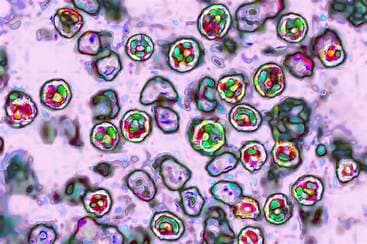
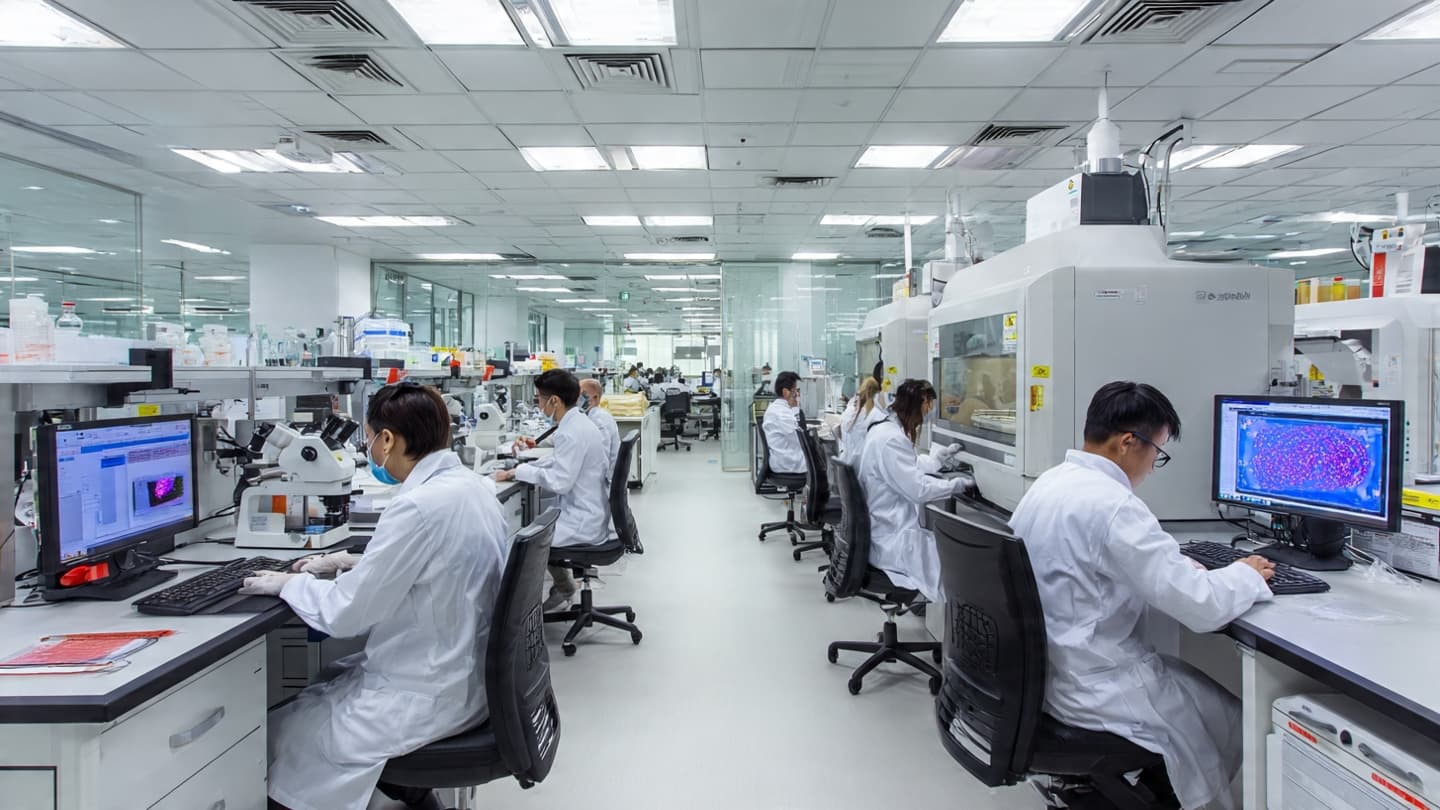
AI Image Disclaimer These illustrations were generated by AI to visually represent aging research and cellular science; they are not photographs of actual Singaporean laboratories or research participants.
Sources National University of Singapore Duke-NUS Medical School A*STAR Singapore Ministry of Health Nature Aging
Published by Banx Network. This article is part of the Banx decentralized media programme, powered by the BXE token on the XRP Ledger.