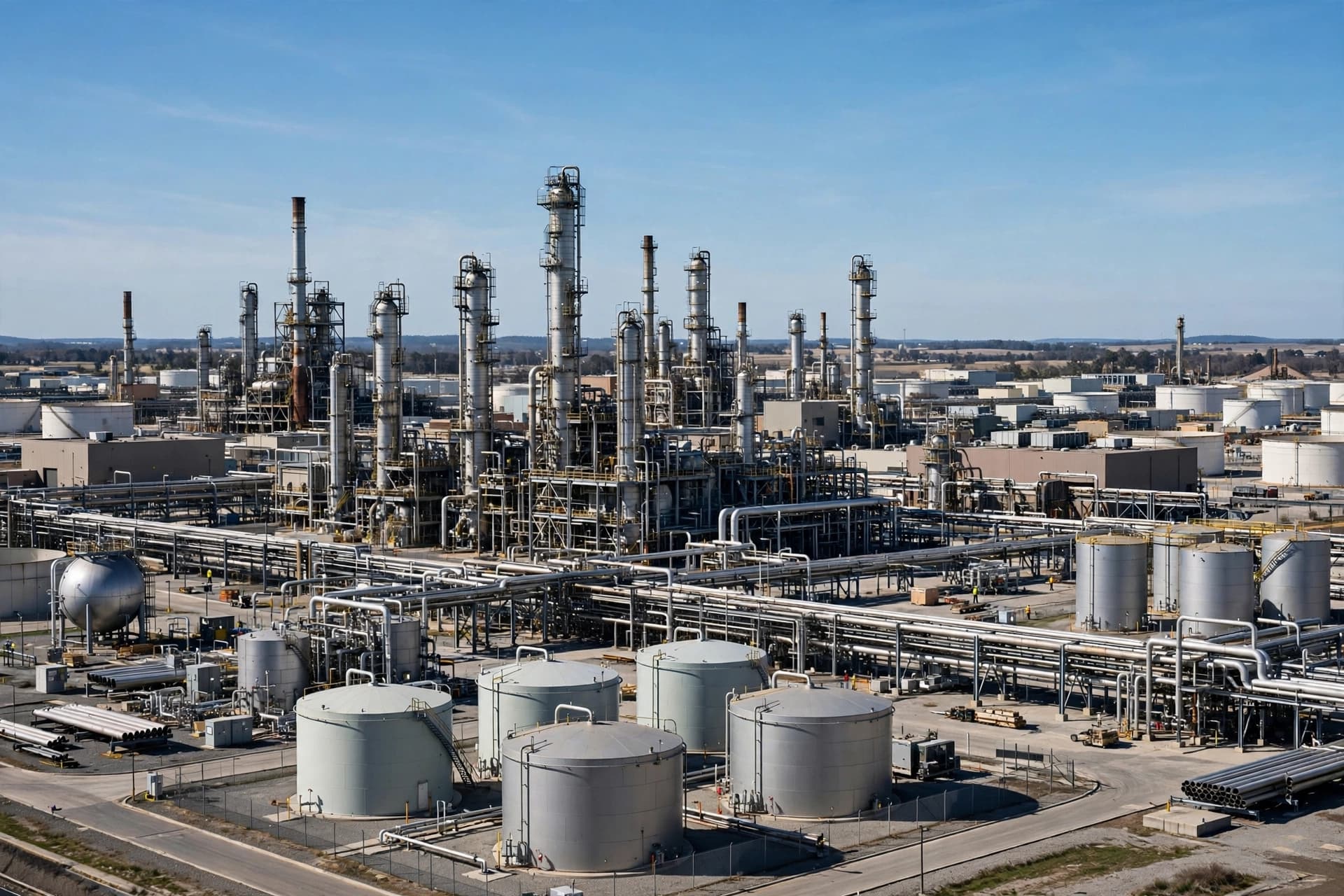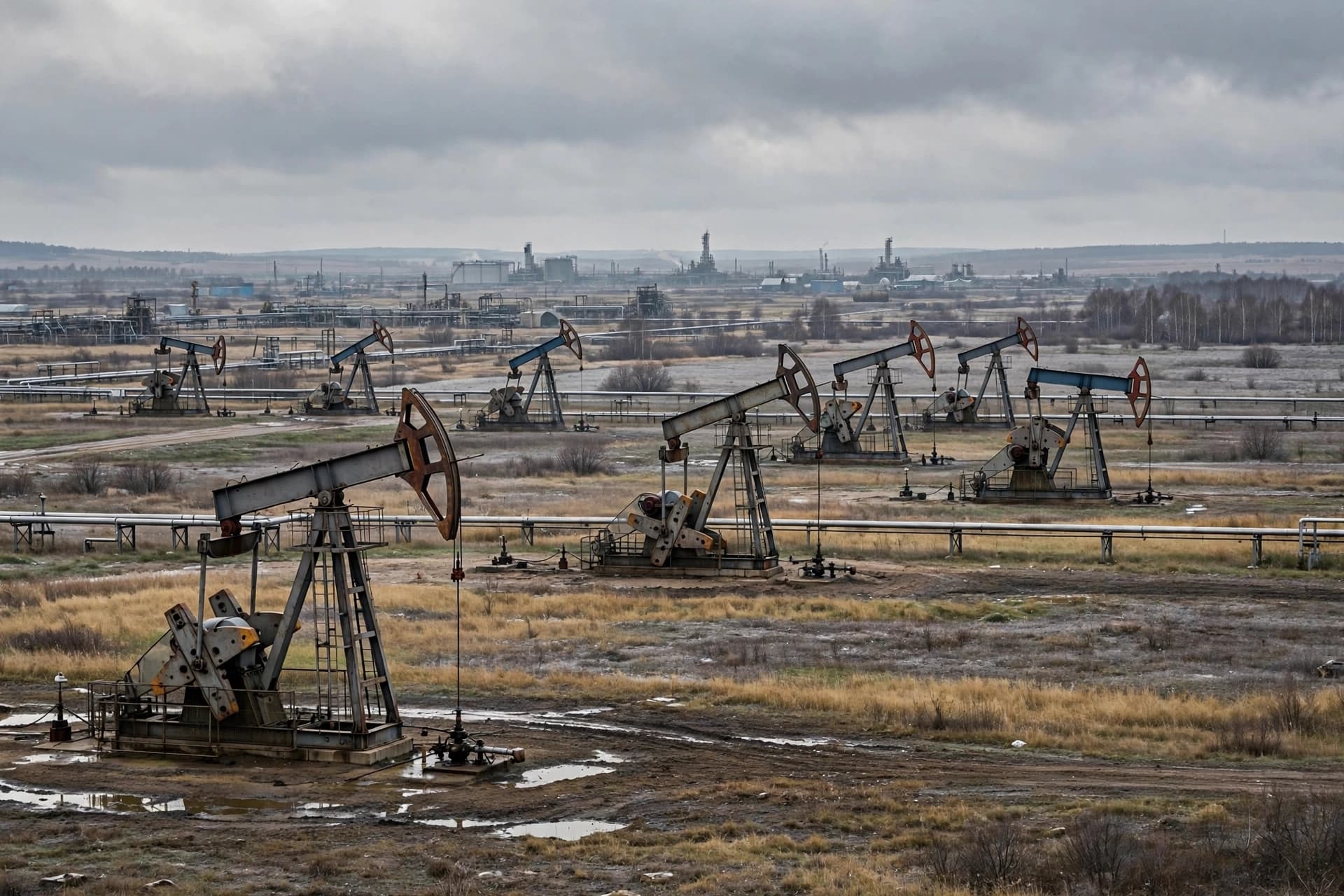
Across Russia’s energy-producing regions, oil continues to move through a vast network of wells, pipelines, refineries, and export terminals. Its price is measured on international markets, but the revenue it generates depends on a longer chain of events. Production levels, transportation, currency movements, and the ability to deliver crude to buyers all shape the final result.
Recent figures show that Russia’s oil and gas tax revenue declined despite a sharp rise in crude prices. Reuters reported on October 5 that revenue from the sector reached 5.47 trillion rubles during the first nine months of 2026, down from 6.61 trillion rubles in the same period a year earlier. The decline amounted to approximately 17%.
The contrast between higher prices and lower earnings reflects the complicated nature of an energy economy. When supply disruptions limit the amount of oil that can be produced or exported, a higher price per barrel does not necessarily compensate for the reduction in volume. A stronger domestic currency can also reduce the ruble value of revenue earned through international sales.
Russian oil production has faced substantial disruption during the year. Reuters reported that output fell to 8.718 million barrels per day in August, down from 9.240 million barrels per day in January. Damage to refineries and interruptions affecting export infrastructure contributed to the pressure on the sector.
The country’s flagship Urals crude nevertheless traded above $92 per barrel at the end of September, according to data cited by Reuters. That level was significantly higher than before the latest energy-market disruptions. Yet the increase in price could not fully offset the combined effects of lower production, constrained exports, and currency appreciation.
Export logistics matter because oil must reach buyers before it can generate revenue. Ports, loading facilities, pipelines, and refineries form an interconnected system, and interruptions in one part can affect activity elsewhere. When shipments are delayed or facilities require repairs, producers may find it harder to benefit from favorable international prices.
The consequences extend beyond energy companies. Oil and gas revenue remains an important source of funding for Russia’s public finances, accounting for around one-fifth of tax proceeds flowing into the national budget, according to the Reuters report. A prolonged decline can make fiscal planning more difficult, particularly when other spending commitments remain in place.
The government’s budget outlook adds another dimension. Reuters reported that Russia was expecting a 2026 deficit equivalent to about 3% of gross domestic product, nearly twice the original plan. Lower energy receipts can complicate efforts to balance public spending and revenue, although the final outcome will also depend on non-energy taxes, expenditure decisions, and economic activity across other sectors.
For the global oil market, Russia’s experience illustrates why prices alone do not reveal the health of a major producer. Supply volumes, transport routes, refining capacity, exchange rates, and government taxation can all alter the financial outcome. These variables also influence how quickly producers can respond when market conditions change.
Russia’s energy sector remains significant, but its latest revenue figures reveal the limits of relying on high crude prices as a measure of financial strength. The relationship between what the world pays for oil and what a producing country ultimately receives is shaped by the entire journey from the wellhead to the buyer.
SEO Slug: `russia-oil-gas-revenue-falls-higher-crude-prices-2026`
Hashtags: #Russia #OilMarket #EnergyIndustry #CrudeOil #EnergyRevenue #GlobalBusiness #BusinessNews
Image Disclaimer
The illustrations are AI-generated conceptual depictions of energy production and transportation. They are not photographs of the specific Russian facilities or events discussed.
Published by Banx Network. This article is part of the Banx decentralized media programme, powered by the BXE token on the XRP Ledger.