On London's streets, luxury retail has always carried a sense of continuity. Storefronts become landmarks, names become part of a city's memory, and generations of shoppers pass through the same doors. Yet even the most familiar names eventually encounter moments of change. Harvey Nichols, one of Britain's best-known luxury retailers, has entered such a moment after Frasers Group agreed to acquire the business.
The acquisition places Harvey Nichols within the wider retail portfolio of Frasers Group, the British company behind a large collection of fashion, sports and luxury brands. The agreement represents a significant change for a retailer whose history stretches back more than a century and whose Knightsbridge flagship has long been associated with London's luxury shopping district. (theguardian.com)
Harvey Nichols has operated as a distinctive presence within British luxury retail, combining fashion, beauty, food and lifestyle products. Its flagship store became known not only for the brands it carried but also for its position within London's commercial geography. The business has also expanded internationally, creating a network that connects its British identity with luxury markets beyond the United Kingdom.
Frasers Group has built its own reputation through an increasingly broad retail strategy. The company has moved beyond its origins in sports retail and developed interests across fashion, premium brands and department-store businesses. The addition of Harvey Nichols therefore fits into a longer pattern of expansion toward higher-end retail.
The transaction arrives during a period of change for department stores and luxury retailers. Consumers have increasingly moved between physical stores and digital platforms, while international tourism, exchange rates and changing spending habits can influence luxury sales. Retailers have consequently been required to maintain distinctive physical experiences while adapting to a more digital shopping environment.
Harvey Nichols' identity gives the acquisition particular significance. Unlike a conventional chain retailer, the company has historically relied heavily on brand recognition, curated merchandise and the atmosphere of its stores. Maintaining that identity while operating under new ownership will therefore be an important part of the transition.
For Frasers, the deal provides access to an established luxury name and a customer base that differs from the company's more traditional sports and mass-market retail operations. It also gives the group another prominent presence in Knightsbridge, one of London's most recognizable retail locations.
The acquisition can be viewed within a broader consolidation trend across British retail. Established companies have increasingly looked for opportunities to acquire brands with strong recognition while attempting to improve efficiency and strengthen their positions across different segments of the market. Luxury retail remains attractive because of the value attached to brand identity, although it is also exposed to changes in global consumer confidence.
For Harvey Nichols, the new ownership represents a transition rather than the disappearance of an established name. The stores, employees, customers and brands associated with the business remain part of a retail operation that now enters a different corporate structure. How the company develops under Frasers will become clearer as integration proceeds.
For London's luxury district, the change adds another chapter to a retail landscape that has never been completely still. Famous names come and go, ownership changes, and consumer habits evolve, while the streets themselves remain familiar. Harvey Nichols now moves into its next phase with Frasers Group at the center of its future direction.
The acquisition gives Frasers a stronger position in Britain's luxury retail market while providing Harvey Nichols with a new corporate home. Further developments will depend on how the businesses are integrated and how the retailer responds to changing consumer behavior in the years ahead.
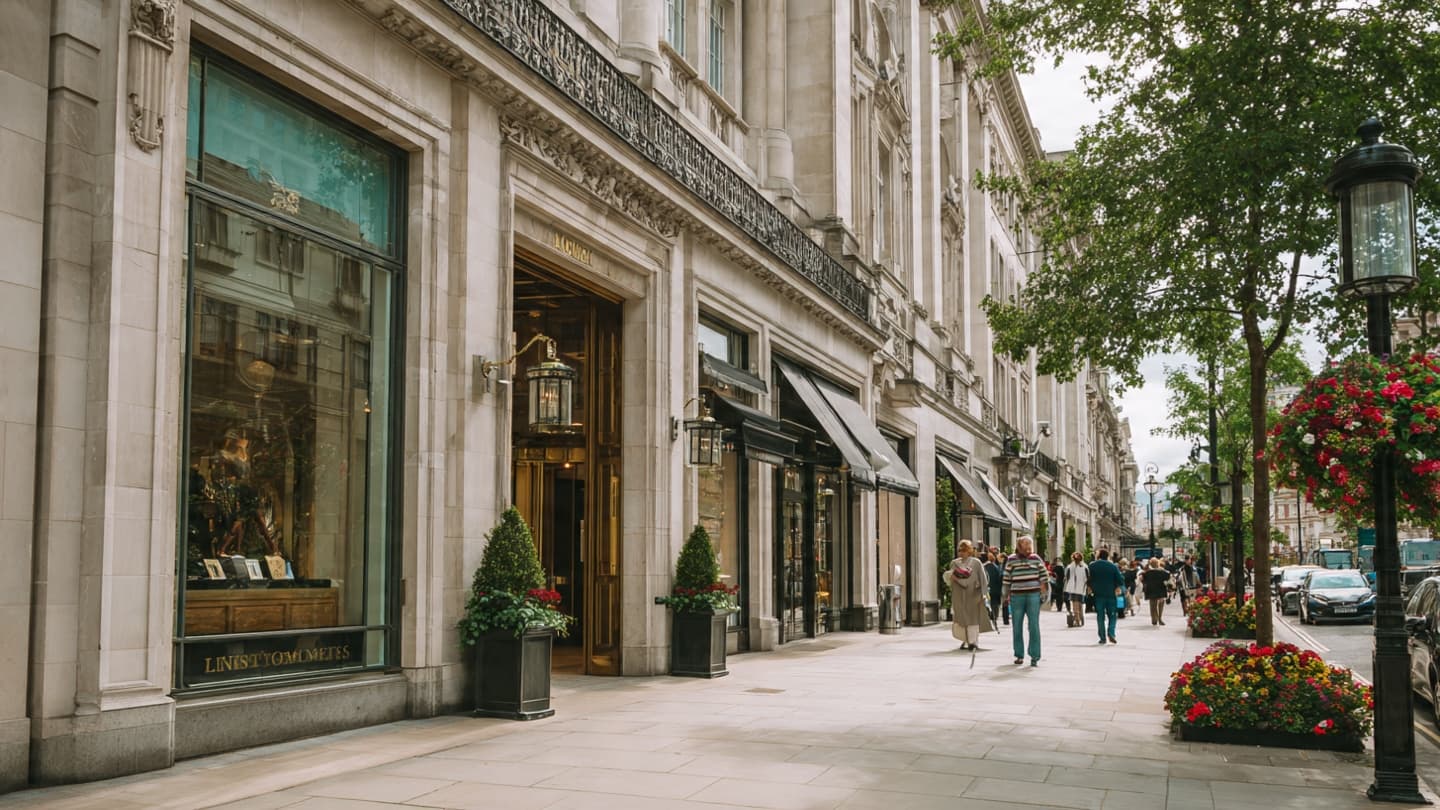
Image Disclaimer The images shown here are AI-generated illustrations created to visualize the retail environment and are not actual photographs.
Sources The Guardian Reuters Financial Times BBC Sky News The Times Frasers Group
Published by Banx Network. This article is part of the Banx decentralized media programme, powered by the BXE token on the XRP Ledger.