Researchers in Iran are studying the future of digital health services for older adults, examining how technology could help provide healthcare support to an aging population.
The research reflects a broader international shift toward digital healthcare. Telemedicine, mobile health applications, remote monitoring, electronic records, and digital communication can create additional ways for patients to interact with healthcare systems.
For older adults, however, technology needs to be designed around more than technical capability. Accessibility, simplicity, digital literacy, affordability, and trust can all influence whether a person is able and willing to use a digital health service.
Some older people may have limited experience with smartphones, applications, or online healthcare platforms. Others may face physical challenges involving vision, hearing, movement, or memory that can make poorly designed interfaces difficult to use.
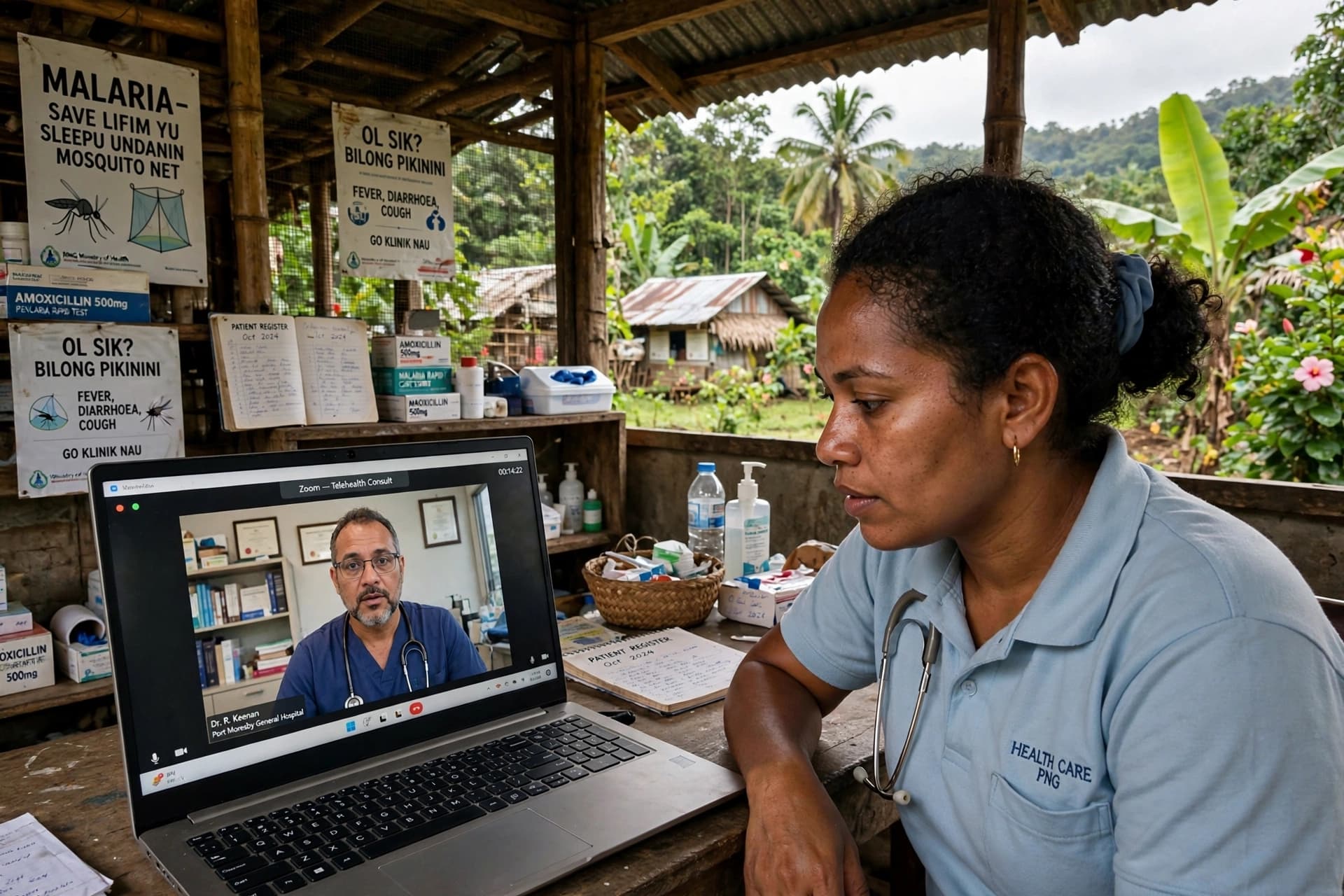
Digital health services can potentially reduce some barriers. Remote consultations, for example, may allow patients to communicate with healthcare professionals without traveling as frequently to a clinic or hospital.
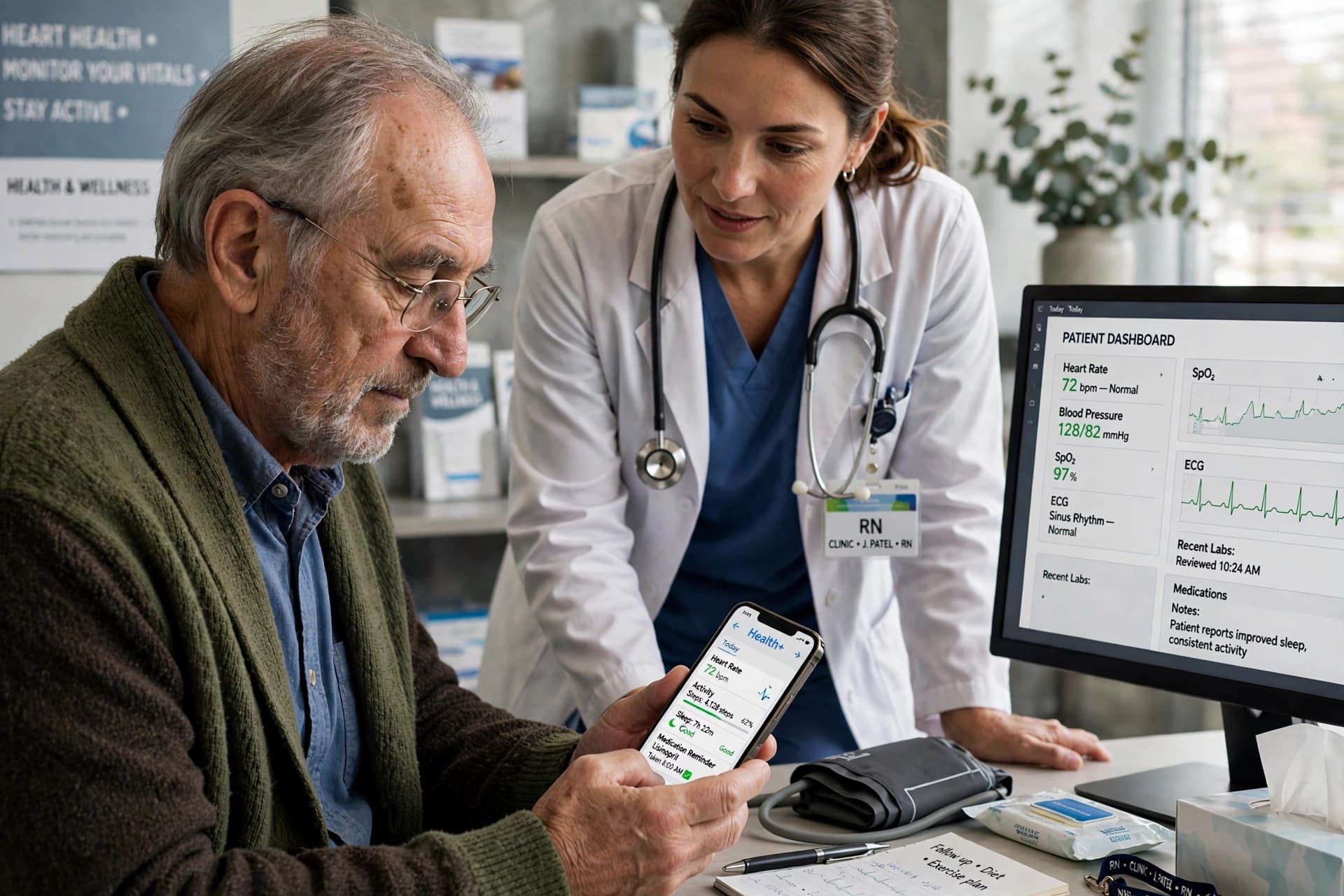
Remote monitoring can also provide another layer of support for people managing long-term conditions. Connected devices can collect health information that may then be reviewed by healthcare professionals, depending on the system and clinical setting.
But technology does not automatically make healthcare more accessible. Reliable internet connections, appropriate devices, privacy protections, technical support, and healthcare professionals who are prepared to work with digital systems are all necessary.
The Iranian research therefore sits within a wider question facing healthcare systems around the world: how can digital services be designed so that technological progress does not leave older people behind?
The answer involves more than building new applications. It requires understanding how older adults actually use technology, what obstacles they encounter, and what forms of assistance can help them remain connected to healthcare.
For Iran, research into digital health for older adults offers a glimpse of a future in which medical care can extend beyond the walls of hospitals and clinics. The challenge will be ensuring that the digital door is as accessible as the physical one—and that advancing technology remains connected to the people it is intended to serve.
SEO SLUG
iran-digital-health-services-older-adults-2026
HASHTAGS
#Iran #DigitalHealth #Healthcare #OlderAdults #HealthTechnology #Telemedicine #Aging #MedicalInnovation
IMAGE DISCLAIMER
This AI-generated image is a conceptual representation of digital healthcare for older adults and does not depict actual research participants or a specific Iranian healthcare program.
SOURCES
BMC Geriatrics World Health Organization Iran Ministry of Health
Published by Banx Network. This article is part of the Banx decentralized media programme, powered by the BXE token on the XRP Ledger.