Across Indonesia, sunlight arrives every morning over thousands of islands, cities and industrial areas. For years, much of that energy has simply passed across rooftops and fields. Increasingly, however, the country is looking at sunlight as an economic resource that can help diversify its electricity system and support a growing demand for power.
Indonesia has substantial renewable energy potential, including solar, geothermal, hydro and wind resources. Solar power has attracted increasing attention because panels can be deployed across a wide range of locations, from large utility-scale projects to smaller systems serving remote communities.
The need for additional electricity is becoming more pronounced as Indonesia's economy expands. Industrial processing, data centers, transportation electrification and digital services all require reliable power. At the same time, the country has sought to reduce its dependence on fossil fuels and increase the share of renewable energy within its electricity mix.
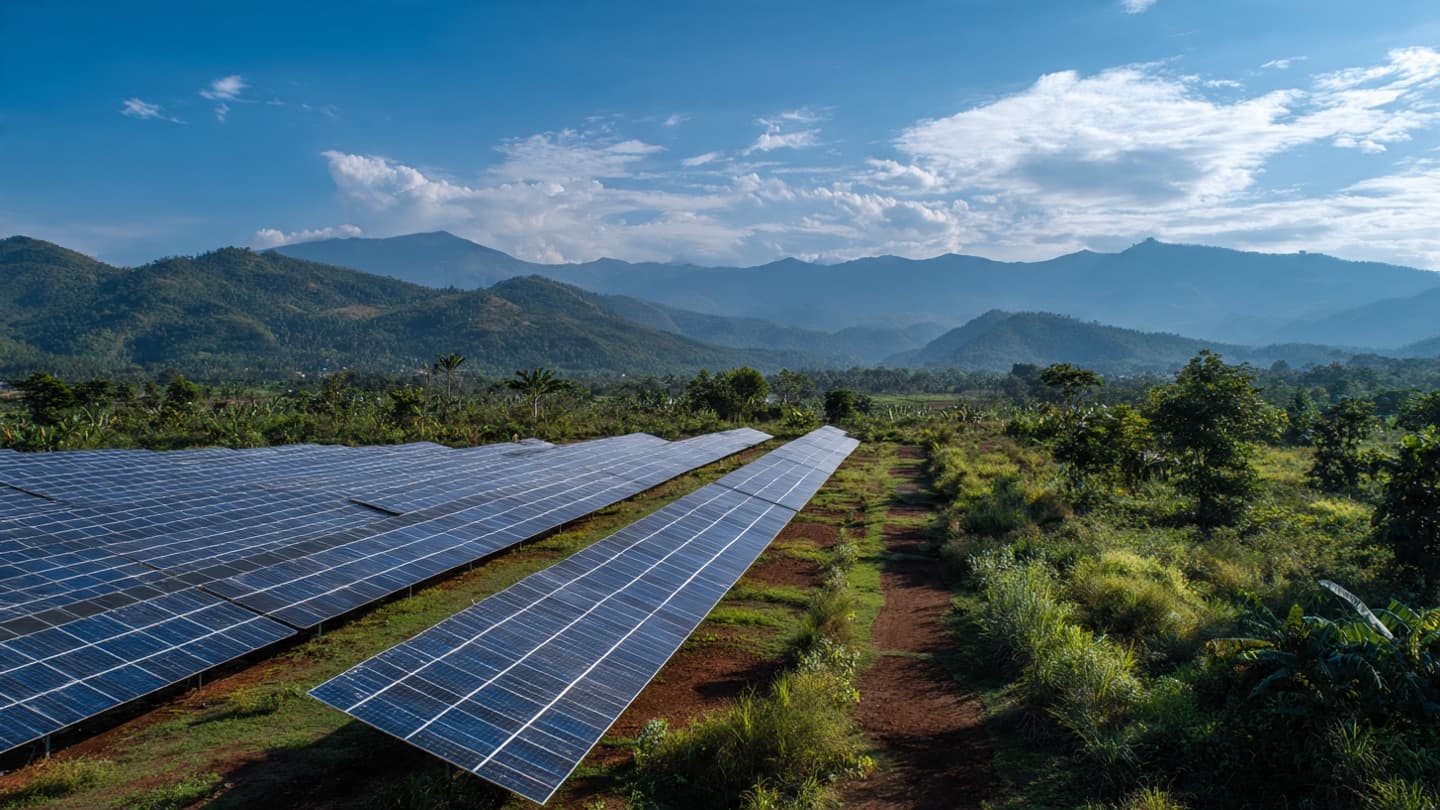
Solar investment can play several roles in that transition. Large solar farms can add generating capacity to electricity grids, while rooftop systems can allow businesses and households to produce some of their own electricity. In remote islands, smaller solar installations combined with battery storage can provide alternatives to diesel generators.
The development of floating solar has created another possibility. Indonesia's large reservoirs and water bodies can host solar panels without requiring the same amount of land as conventional projects. Floating solar installations can therefore make use of areas that have limited alternative economic uses.
One of the most significant developments has been the expansion of solar projects associated with industrial activity. Manufacturers increasingly require reliable electricity, while international companies are paying closer attention to the carbon intensity of their supply chains. Renewable electricity can therefore become an economic advantage as well as an environmental one.
However, integrating large amounts of solar power presents technical challenges. Solar generation changes with daylight and weather, requiring electricity systems to balance supply and demand. Batteries, transmission infrastructure and flexible generation can help manage those fluctuations.
Indonesia's geography makes transmission particularly important. Electricity demand is concentrated in certain regions, while renewable resources are distributed across the archipelago. Building power lines between generation sites and consumers can therefore require significant investment.
Financing is another consideration. Renewable energy projects often require substantial upfront capital, even though operating costs can be relatively low once facilities are running. Stable regulations, predictable electricity prices and clear project frameworks can therefore influence whether investors are willing to commit capital over long periods.
The country's solar ambitions also connect to its broader industrial strategy. Indonesia is increasingly interested in developing domestic manufacturing for renewable-energy components, including solar modules and batteries. Such an approach could create new jobs and reduce dependence on imported equipment.
The transition will take time. Fossil fuels remain deeply embedded in Indonesia's electricity system, and replacing existing generation requires investment on a large scale. But each new solar project adds another piece to a changing energy landscape.
For Indonesia, the sun is becoming more than a natural feature of the tropical climate. It is increasingly part of a national conversation about energy security, industrial development and long-term economic resilience.
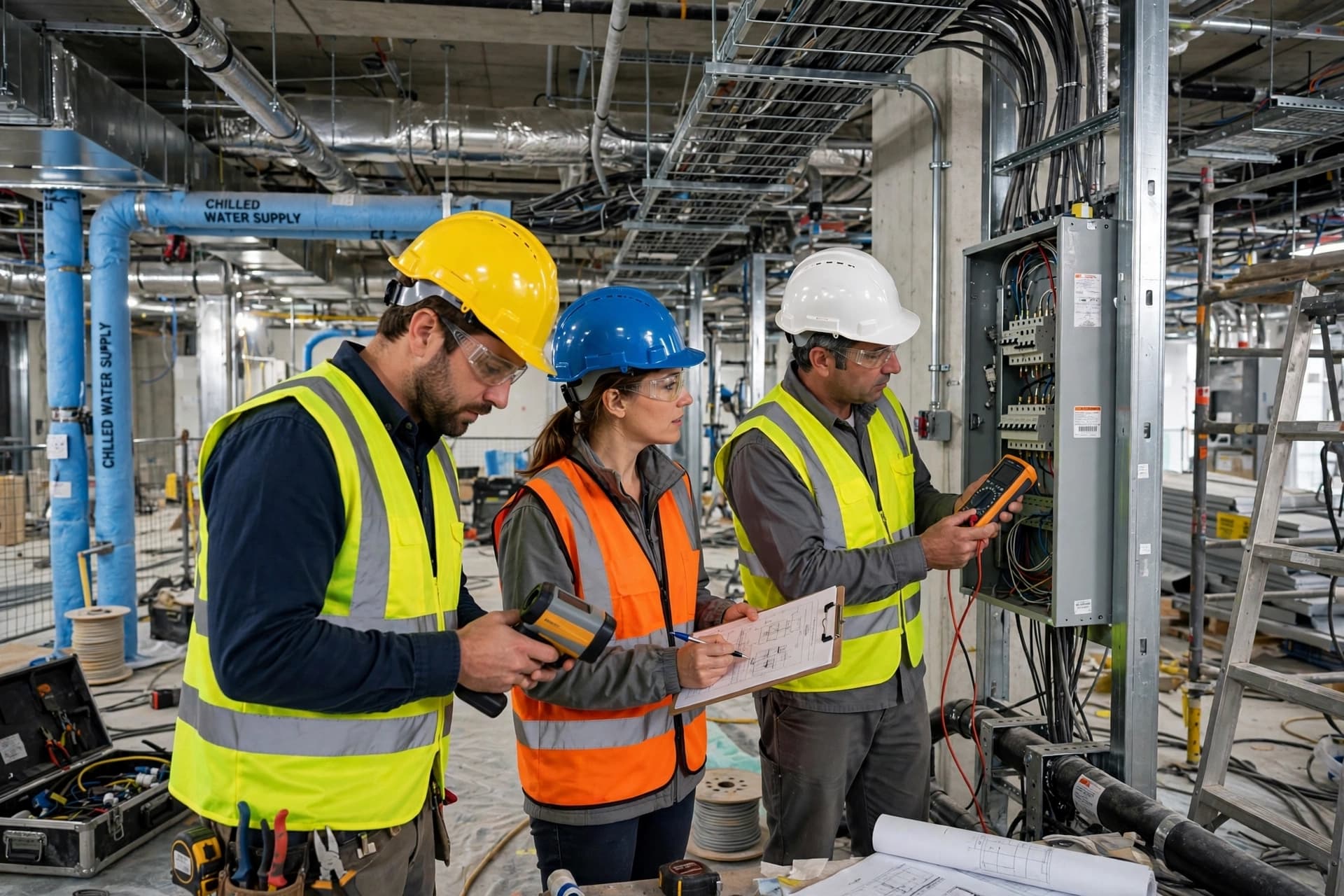
Image Disclaimer The images in this article were generated by AI for conceptual illustration and do not depict actual Indonesian solar projects.
Sources International Energy Agency International Renewable Energy Agency Ministry of Energy and Mineral Resources of Indonesia World Bank Asian Development Bank PLN Reuters
Published by Banx Network. This article is part of the Banx decentralized media programme, powered by the BXE token on the XRP Ledger.