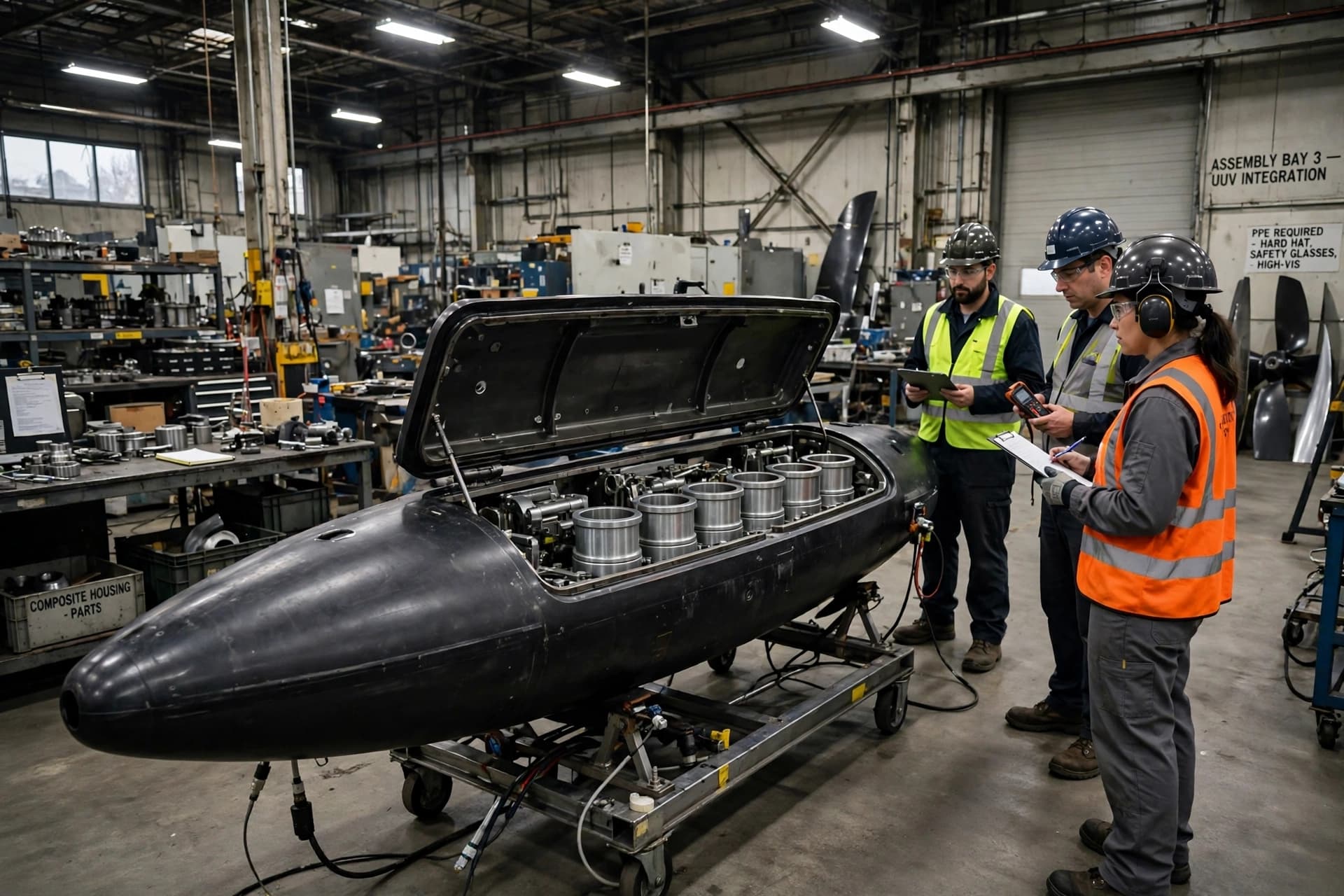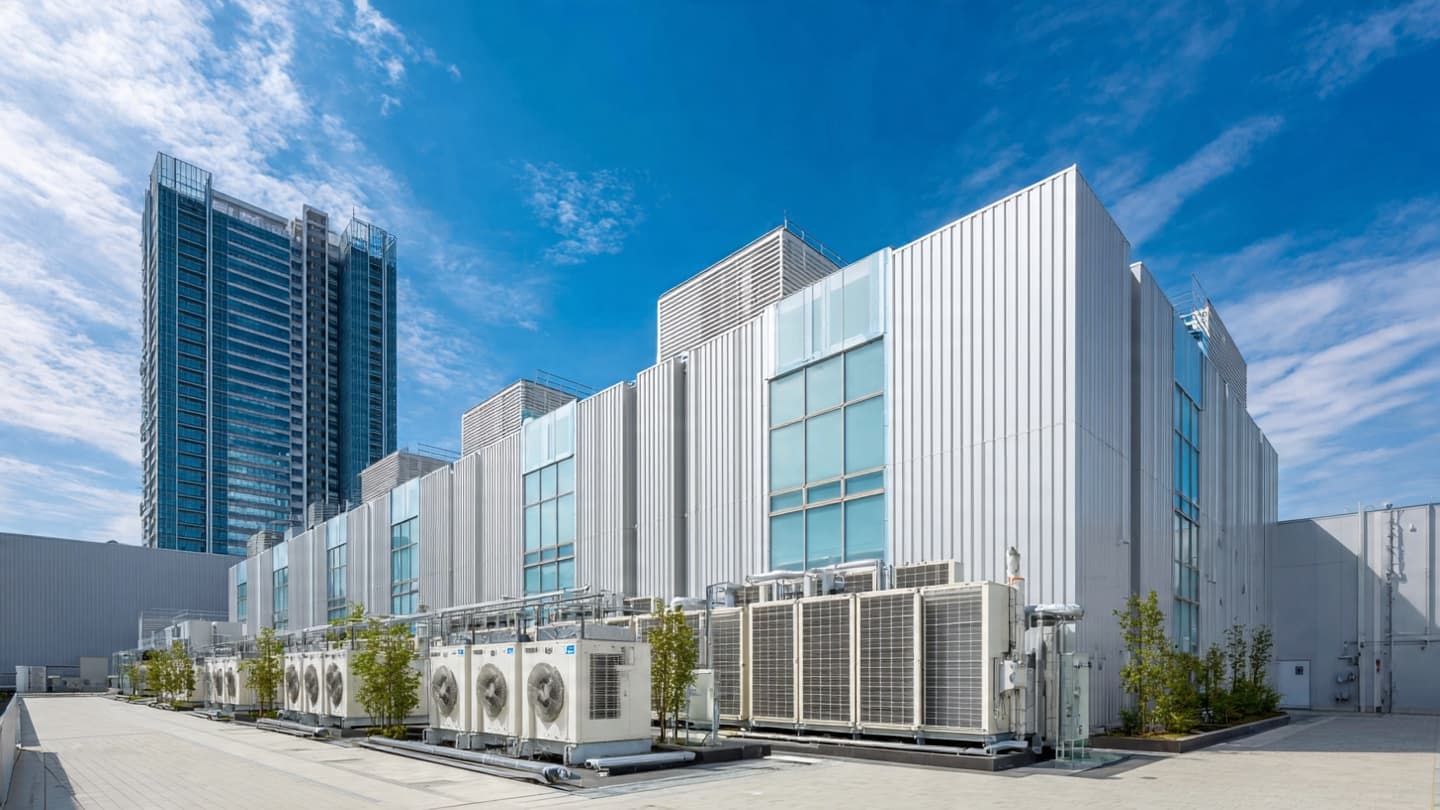
Inside a semiconductor factory, the most important movements are almost invisible. Microscopic patterns are etched onto wafers, machines operate inside carefully controlled rooms, and engineers monitor processes where even tiny variations can affect an entire production batch. China is investing heavily in this precise world.
The country has continued expanding domestic semiconductor capacity as demand for artificial intelligence, electric vehicles, telecommunications equipment, and advanced computing grows. The effort involves manufacturers, equipment suppliers, materials companies, and research institutions across multiple regions.
China’s semiconductor industry has developed rapidly over the past decade. Large investments have created new fabrication plants, packaging facilities, research centers, and supporting industrial clusters.
Artificial intelligence has added urgency to that expansion. Modern AI systems require large quantities of computing hardware, while data centers depend on processors, memory chips, networking equipment, and power-management components.
Chinese companies are therefore increasing efforts to develop and manufacture more components domestically. Some focus on mature process technologies, where demand remains large across automobiles, industrial equipment, consumer electronics, and appliances.
Other companies are working toward more advanced semiconductor technologies. These efforts require enormous investment, sophisticated manufacturing equipment, highly trained engineers, and reliable supplies of specialized chemicals and materials.
China’s domestic market provides a significant advantage in scale. The country is one of the world’s largest producers of electronics, automobiles, telecommunications equipment, and industrial machinery, creating substantial demand for semiconductors.
At the same time, semiconductor manufacturing remains globally interconnected. Equipment, intellectual property, materials, and production technologies often come from multiple countries, meaning no major chip industry operates entirely in isolation.
The expansion also affects regional economies. Semiconductor facilities can attract suppliers, research institutions, logistics companies, and highly skilled workers, gradually forming technology clusters around major production sites.
As global demand for computing power continues to grow, China’s semiconductor investment is likely to remain an important part of the technology landscape. The country is building capacity across several layers of the supply chain, from materials and equipment to fabrication and packaging.
The factories emerging from this investment will not change the semiconductor industry overnight. But each new production line adds another piece to China’s long-term effort to strengthen its role in the digital economy.
AI IMAGE DISCLAIMER
These illustrations were created with AI and are conceptual representations of China’s semiconductor industry, not actual photographs.
SOURCES
Reuters China Semiconductor Industry Association Ministry of Industry and Information Technology of China International Energy Agency
Published by Banx Network. This article is part of the Banx decentralized media programme, powered by the BXE token on the XRP Ledger.