There is a quiet moment when a new technology stops being something seen mainly on screens and begins to appear in the ordinary machinery of an economy. In Britain, artificial intelligence is approaching that threshold. What began as a concentrated wave of investment among technology companies is increasingly appearing across businesses, services and productivity discussions, adding a new layer to the country's economic landscape.
Recent economic data have offered some early signs of that transition. Britain's economy expanded 0.4 percent in the second quarter of 2026, while output rose 0.3 percent in June, according to the Office for National Statistics. Within that broader movement, technology-related activity has become increasingly important as businesses invest in computing, software and automated systems. (reuters.com)
Artificial intelligence does not appear as a single line in national accounts. Instead, its economic influence is spread across different industries. Software development, cloud computing, data centers, professional services and advanced manufacturing can all benefit from AI-related investment. That makes its impact difficult to measure precisely, but it also means the technology can influence the economy through several channels at once.
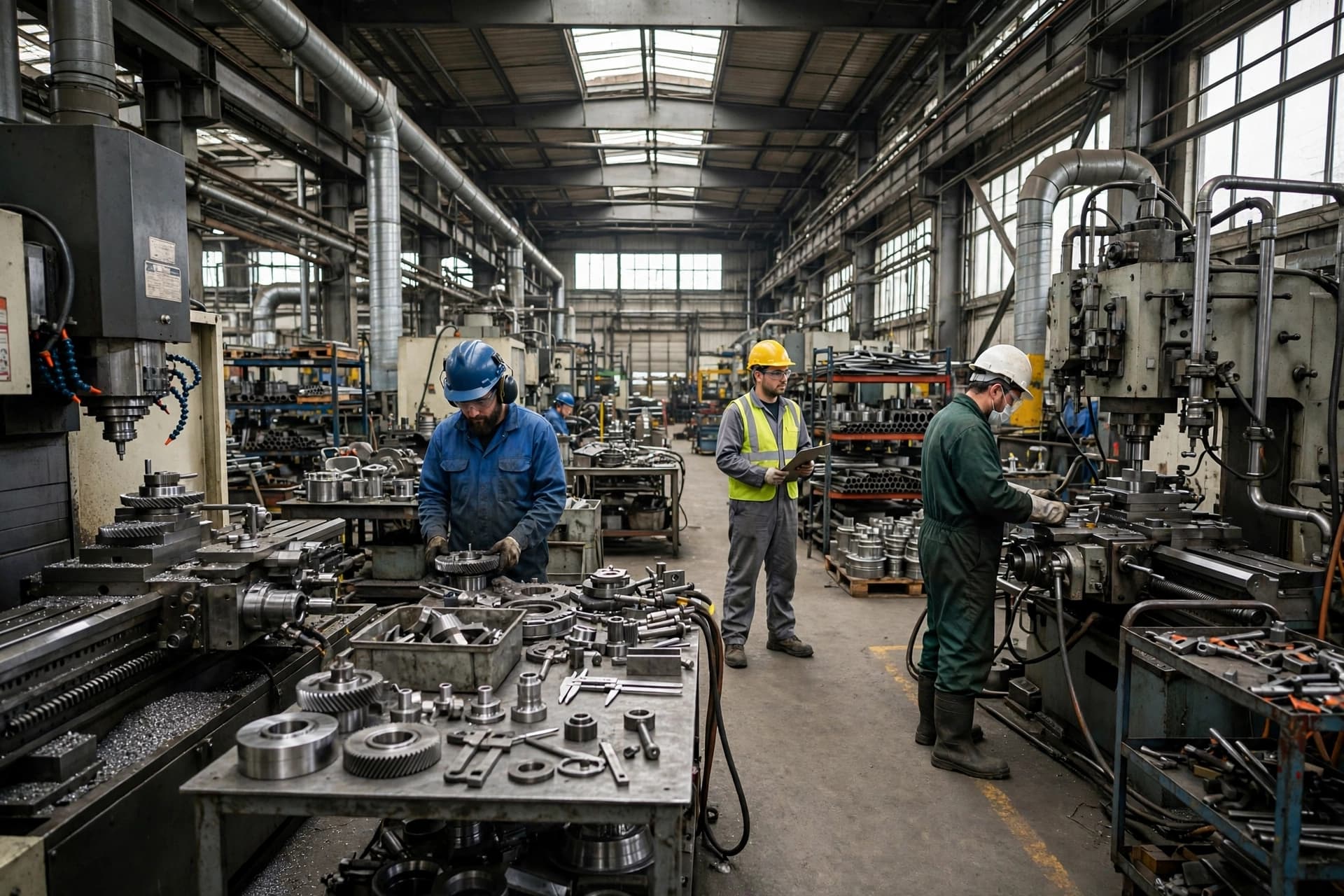
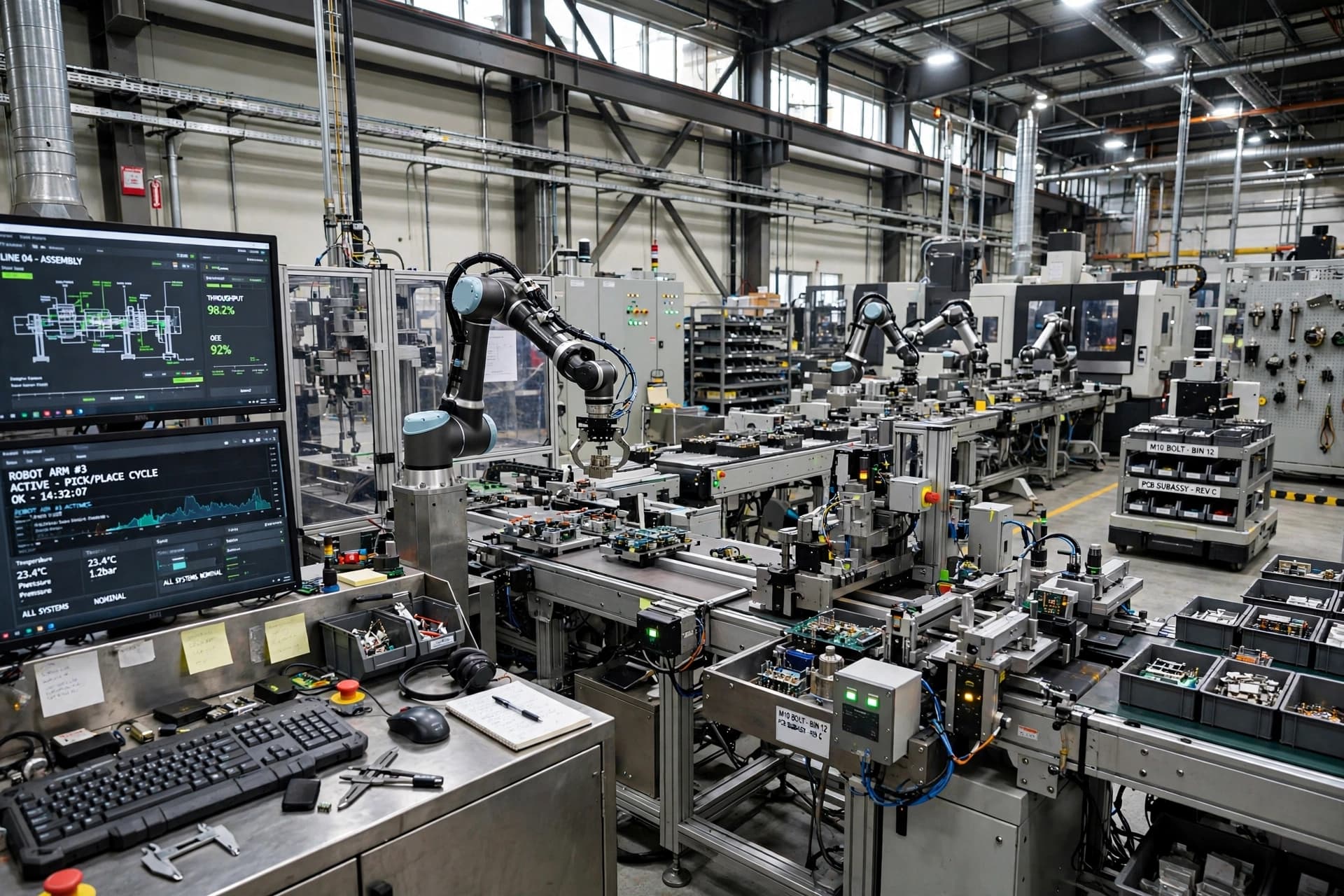
For companies, the attraction is closely connected to productivity. AI systems can assist with data analysis, customer service, software development and administrative tasks. In manufacturing, automation can help improve production processes, while in professional services, artificial intelligence can reduce the time required for certain research and information-processing activities. The economic value depends on how effectively businesses integrate those systems into existing operations.
Investment has consequently become an important part of the story. Companies are spending on computing infrastructure, software and digital systems in an effort to build capacity for an economy in which AI becomes increasingly routine. Data centers are particularly significant because advanced AI applications require substantial computing power and energy.
Britain's technology sector is therefore increasingly connected to infrastructure beyond traditional office buildings. Servers, electricity networks, telecommunications systems and specialist facilities all form part of the physical foundation beneath digital services. The expansion of AI can consequently create economic activity in areas that may seem distant from software itself.
Yet the transition is not without uncertainty. Companies must determine whether expensive AI investments will produce measurable improvements in revenue or productivity. Some technologies can generate immediate efficiencies, while others may require changes to workflows, training and organizational structures before their full value becomes visible.
That question is particularly relevant for Britain because productivity growth has remained a long-standing economic concern. If AI can help businesses produce more with the same resources, it could eventually contribute to stronger productivity. But economists have repeatedly noted that major technological shifts can take years to produce their full effect in national statistics.
The latest GDP figures therefore should not be interpreted as evidence that artificial intelligence alone is driving Britain's economic performance. Services, consumer activity and other sectors remain central to growth. Instead, the emerging AI contribution is part of a wider transformation in how businesses invest and operate.
Britain's economic landscape is consequently beginning to show signs of a technology cycle moving beyond speculation and into practical use. The second-quarter growth figures provide a backdrop for that transition, while business investment suggests that companies are continuing to explore how AI can become part of everyday economic activity.
The scale of its eventual impact remains uncertain. For now, however, artificial intelligence is increasingly visible in Britain's investment patterns, technology sector and productivity debate. As businesses continue to adopt the technology, the coming years will reveal whether today's spending becomes a lasting source of economic efficiency.
Image Disclaimer These visuals were generated with AI as conceptual representations of artificial intelligence and Britain's economic environment.
Sources Reuters Office for National Statistics Financial Times The Guardian BBC Bloomberg The Times
Published by Banx Network. This article is part of the Banx decentralized media programme, powered by the BXE token on the XRP Ledger.