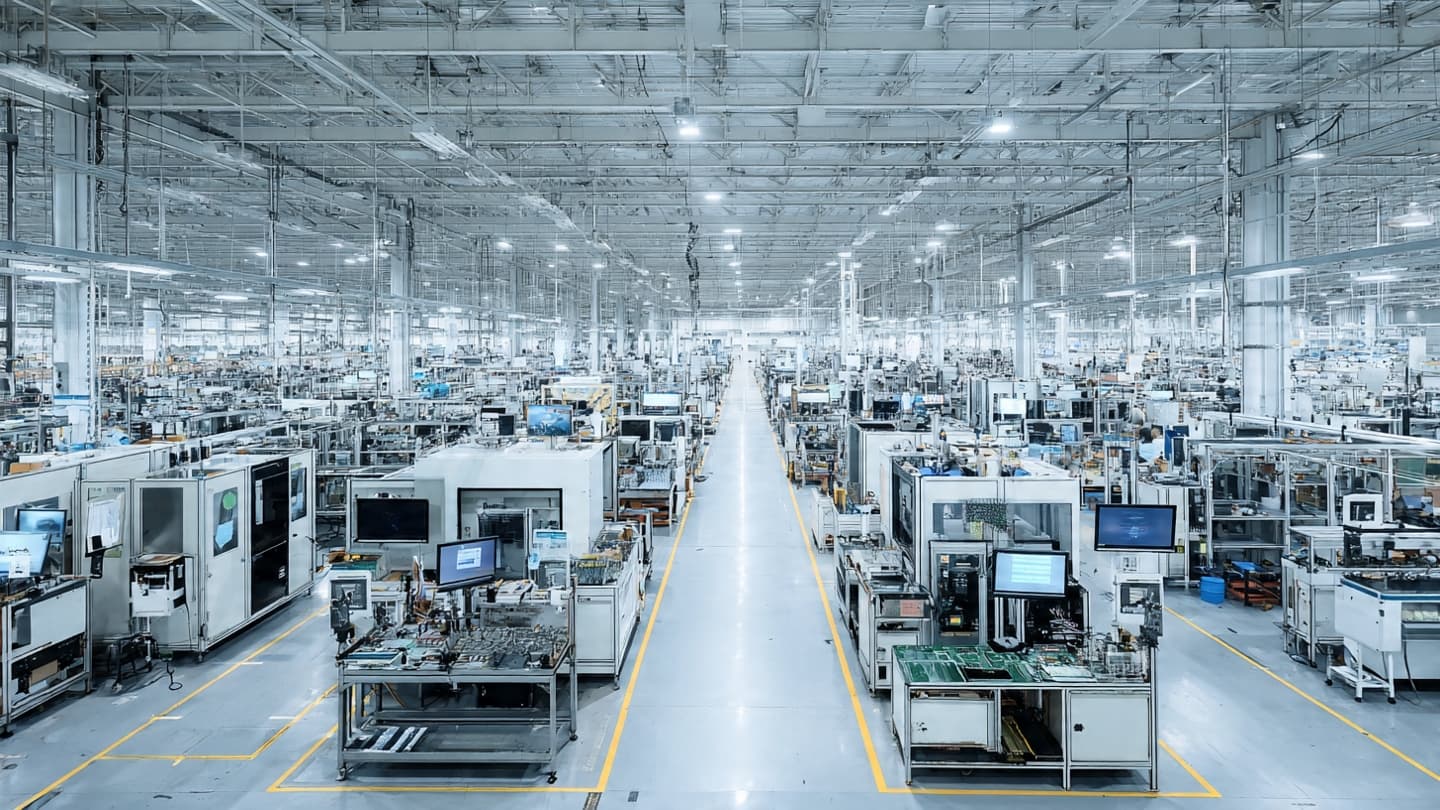
Across Asia, the factory floor is becoming increasingly connected to something that cannot be seen directly: the demand for artificial intelligence. Behind servers, processors, networking equipment, and data centers are thousands of machines producing the components required to keep the digital economy moving.
Private manufacturing surveys showed that global AI demand helped support factory activity across several Asian economies in August. China and Japan recorded stronger industrial conditions, while India continued to expand at a much slower pace.
China’s private manufacturing PMI rose to 51.5 in August from 50.9 in July, with output reaching its fastest pace in three months. New orders improved, while export orders recorded their strongest growth in six months.
Japan also benefited from the technology cycle. The country’s industrial ecosystem includes manufacturers of semiconductor equipment, precision components, electronic materials, and other products that feed into global technology supply chains.
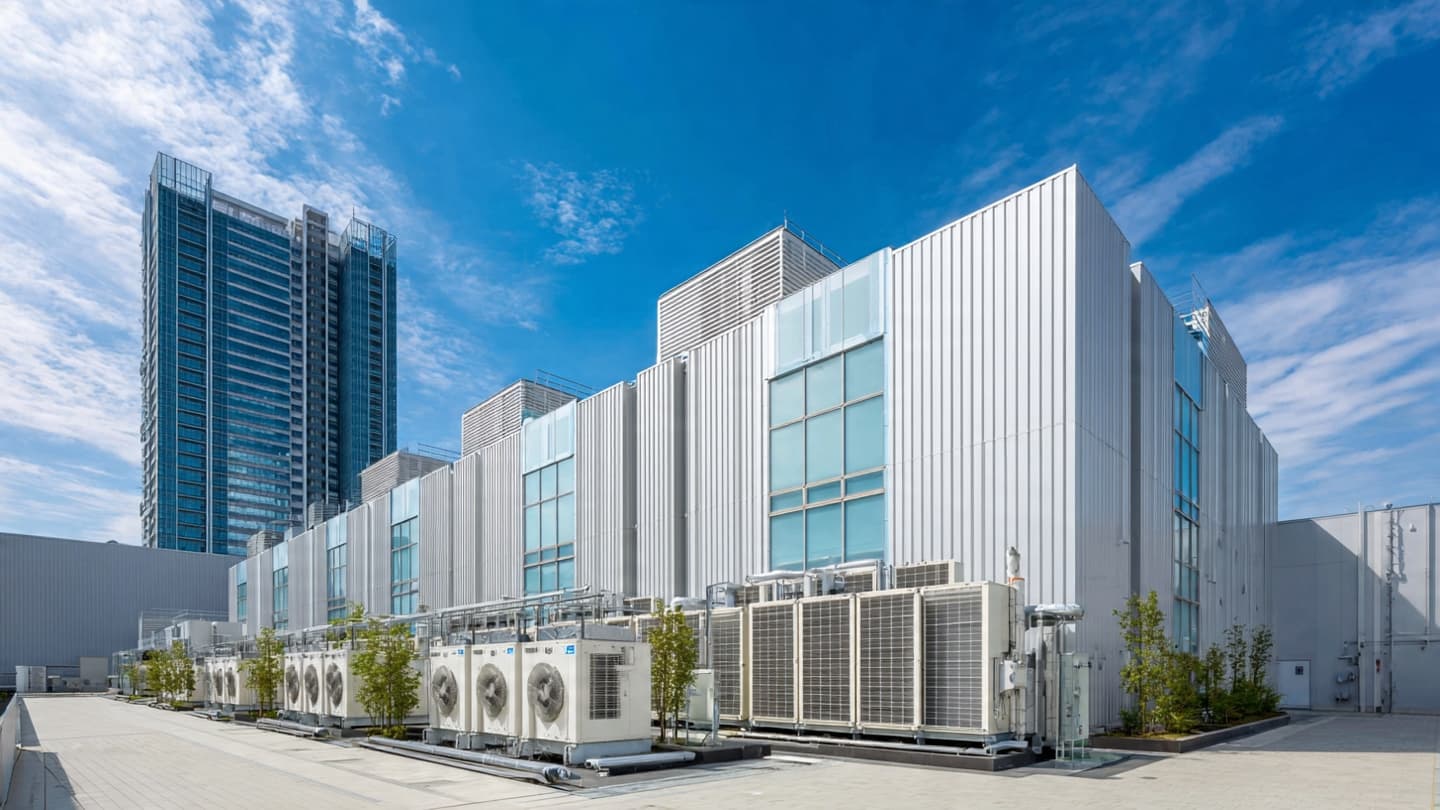
The strength of AI-related demand has become especially important because artificial intelligence requires enormous amounts of computing infrastructure. Data centers need processors, memory, networking hardware, cooling equipment, and reliable electricity, creating demand across several industrial sectors at once.
For Asian exporters, this represents an opportunity to capture another wave of technology-driven demand. Countries with established electronics and semiconductor industries can supply components not only to domestic companies but also to global technology manufacturers.
Yet the recovery is not uniform. India’s manufacturing PMI slowed to 52.8 in August, its weakest reading in five years, as domestic demand and new orders softened. Export orders continued growing, but at a slower pace than in July.
The difference between countries illustrates how artificial intelligence interacts with existing industrial structures. Technology demand can lift semiconductor and electronics supply chains while having a smaller immediate effect on industries that depend more heavily on domestic consumption.
Another important element is investment. Companies across Asia are expanding factories, upgrading machinery, and building infrastructure designed to handle increasingly sophisticated production requirements.
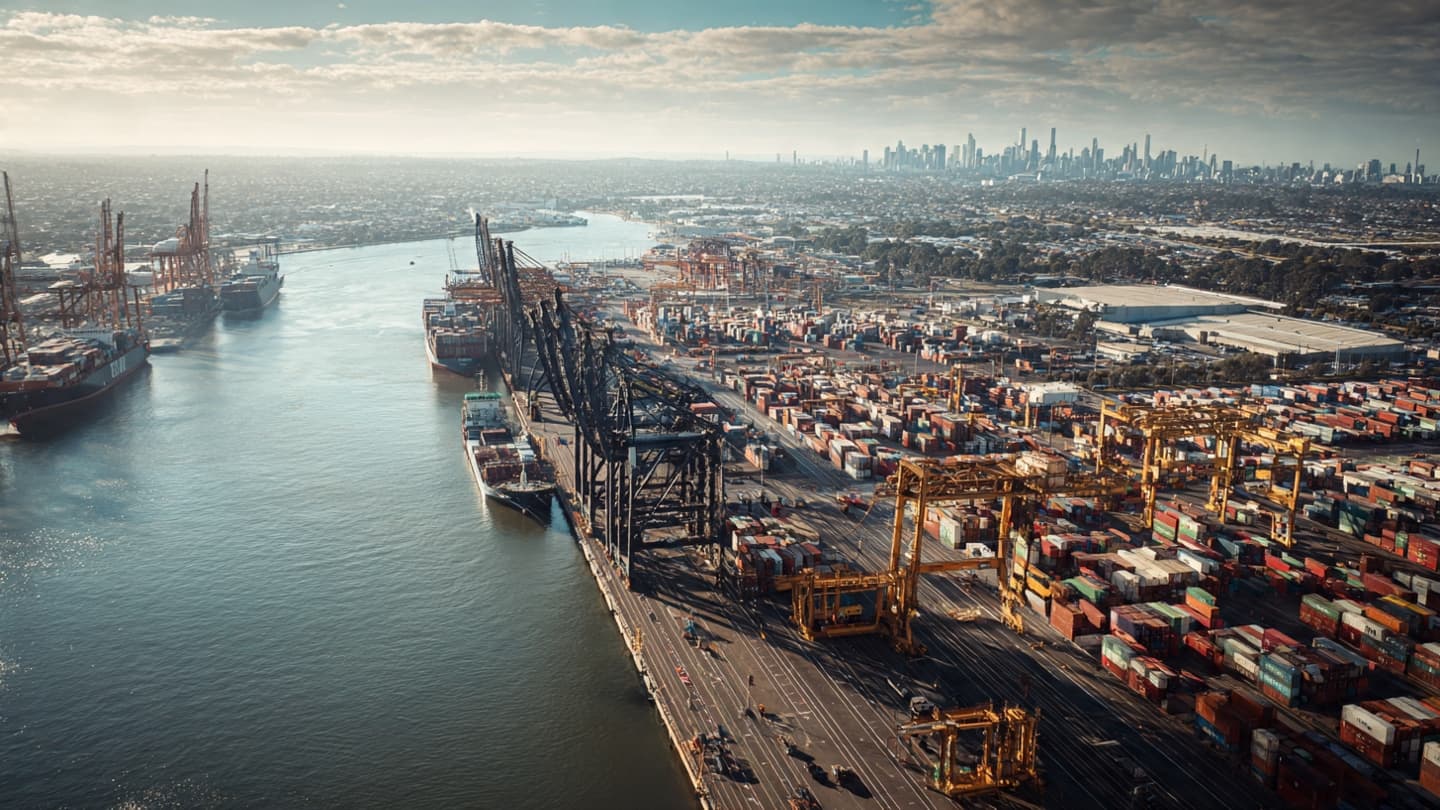
The industrial effects can therefore extend beyond the technology sector itself. Ports, electricity networks, logistics companies, construction firms, chemical suppliers, and specialized engineering businesses all become part of the ecosystem supporting AI hardware production.
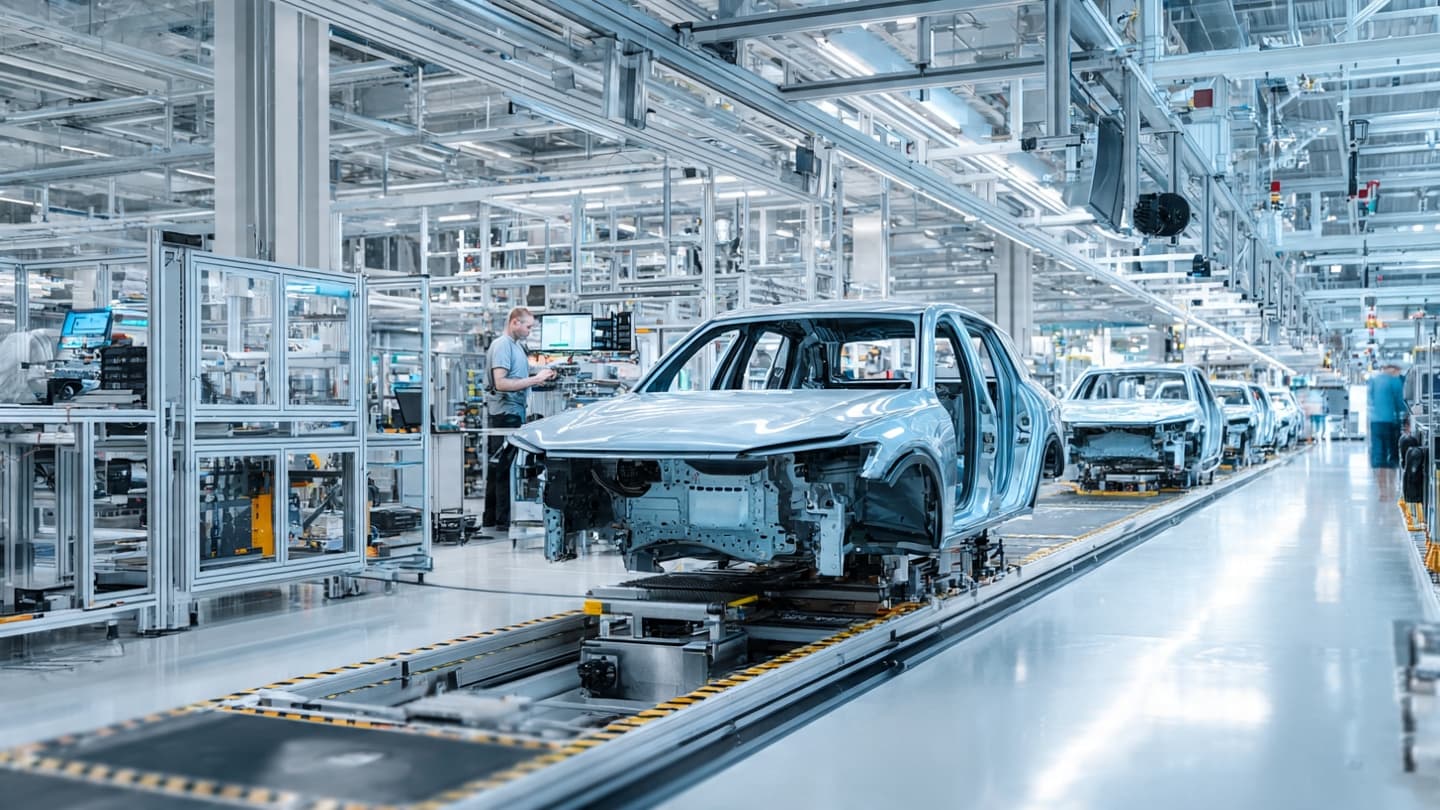
As September begins, Asia’s factories enter a period in which digital demand is increasingly visible in physical production. The AI boom is not only taking place inside software companies and data centers; it is also moving through assembly lines, warehouses, ports, and industrial parks across the region.
AI IMAGE DISCLAIMER
The illustrations were created with AI and are conceptual representations of Asia’s AI-related manufacturing expansion, not actual photographs.
SOURCES
Reuters S&P Global RatingDog Japan Ministry of Economy, Trade and Industry
Published by Banx Network. This article is part of the Banx decentralized media programme, powered by the BXE token on the XRP Ledger.