Across the American landscape, pharmaceutical manufacturing is entering another season of expansion. Behind the quiet walls of laboratories and the vast structures of industrial plants, global drugmakers are directing enormous amounts of capital toward the United States, building capacity for medicines and research closer to the market they serve.
Companies including Eli Lilly, Pfizer, AstraZeneca and Roche have announced roughly $500 billion in planned U.S. investments, according to Reuters. The commitments span manufacturing capacity, research infrastructure and other parts of the pharmaceutical supply chain.
The movement reflects several forces arriving at the same time. Pharmaceutical companies are seeking stronger supply chains, expanding domestic production and responding to pressure to increase their presence in the United States. The result is a gradual reshaping of where medicines are researched, produced and distributed.
For the companies themselves, new facilities represent more than buildings. A modern pharmaceutical plant can contain highly specialized equipment, laboratories and quality-control systems, requiring engineers, scientists, technicians and other skilled workers. Each investment therefore creates a network of economic activity around the central factory.
Research is another important part of the equation. Pharmaceutical development can take years, moving from laboratory experiments through clinical studies and regulatory review before a medicine reaches patients. Expanding research operations in the United States places more of that long process within the country's scientific and industrial ecosystem.
The investments also arrive as pharmaceutical supply chains remain under close attention. Drugmakers have increasingly sought ways to make production more resilient after years of disruptions affecting global manufacturing and transportation. A larger domestic footprint can provide another layer of flexibility when international supply routes become complicated.
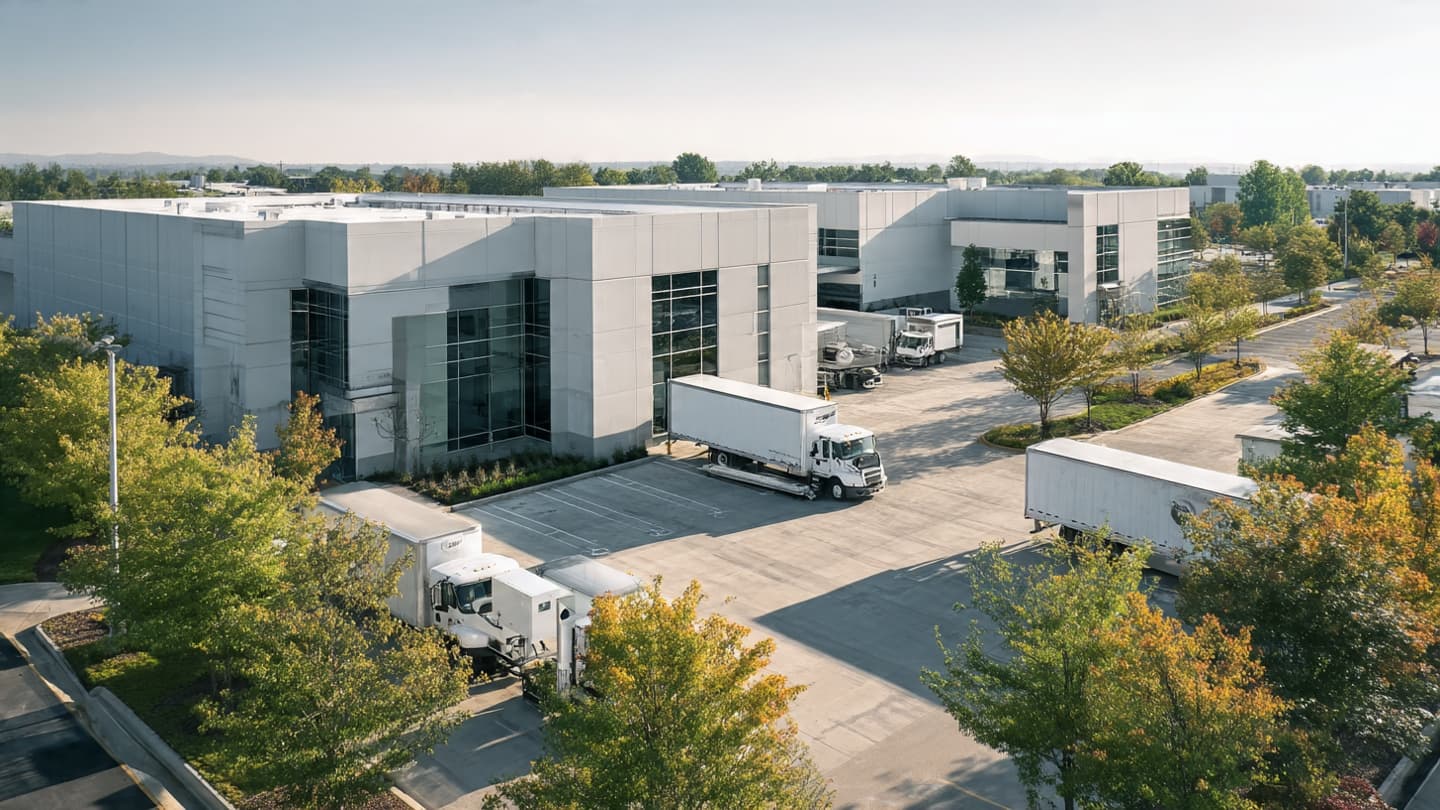
For American communities, the construction of pharmaceutical facilities can create a different kind of industrial landscape. Laboratories may stand beside manufacturing plants, logistics centers and research campuses, connecting scientific work with the physical movement of medicines.
The scale of the commitments is particularly notable because pharmaceutical manufacturing requires long-term planning. Facilities must meet stringent standards, obtain regulatory approvals and operate within carefully controlled environments. Capital committed today may therefore take years before its full productive capacity becomes visible.
At the same time, pharmaceutical companies are balancing investment decisions against commercial considerations. New facilities must ultimately operate efficiently, while research programs must produce medicines capable of meeting medical needs and sustaining long development cycles.
The latest wave of investment places the United States at the center of a broader pharmaceutical reshaping. With global drugmakers announcing hundreds of billions of dollars for manufacturing and research, America's laboratories and industrial corridors are becoming increasingly important destinations for the next generation of medicines.
AI Image Disclaimer The visuals are AI-generated conceptual illustrations created to accompany this article and do not depict actual pharmaceutical facilities or events.
Sources Reuters Eli Lilly Pfizer AstraZeneca Roche
Published by Banx Network. This article is part of the Banx decentralized media programme, powered by the BXE token on the XRP Ledger.