The dream of traveling faster than light has long been the stuff of science fiction, a narrative device that allows heroes to traverse galaxies in the blink of an eye. Yet, for physicists and engineers, the concept of a warp drive is not merely a fantasy but a serious theoretical puzzle rooted in the equations of general relativity. As we stand on the precipice of a new era in space exploration, the question remains: could we ever bend spacetime itself to achieve interstellar travel, or is this destiny forever locked behind the speed limit of the universe?
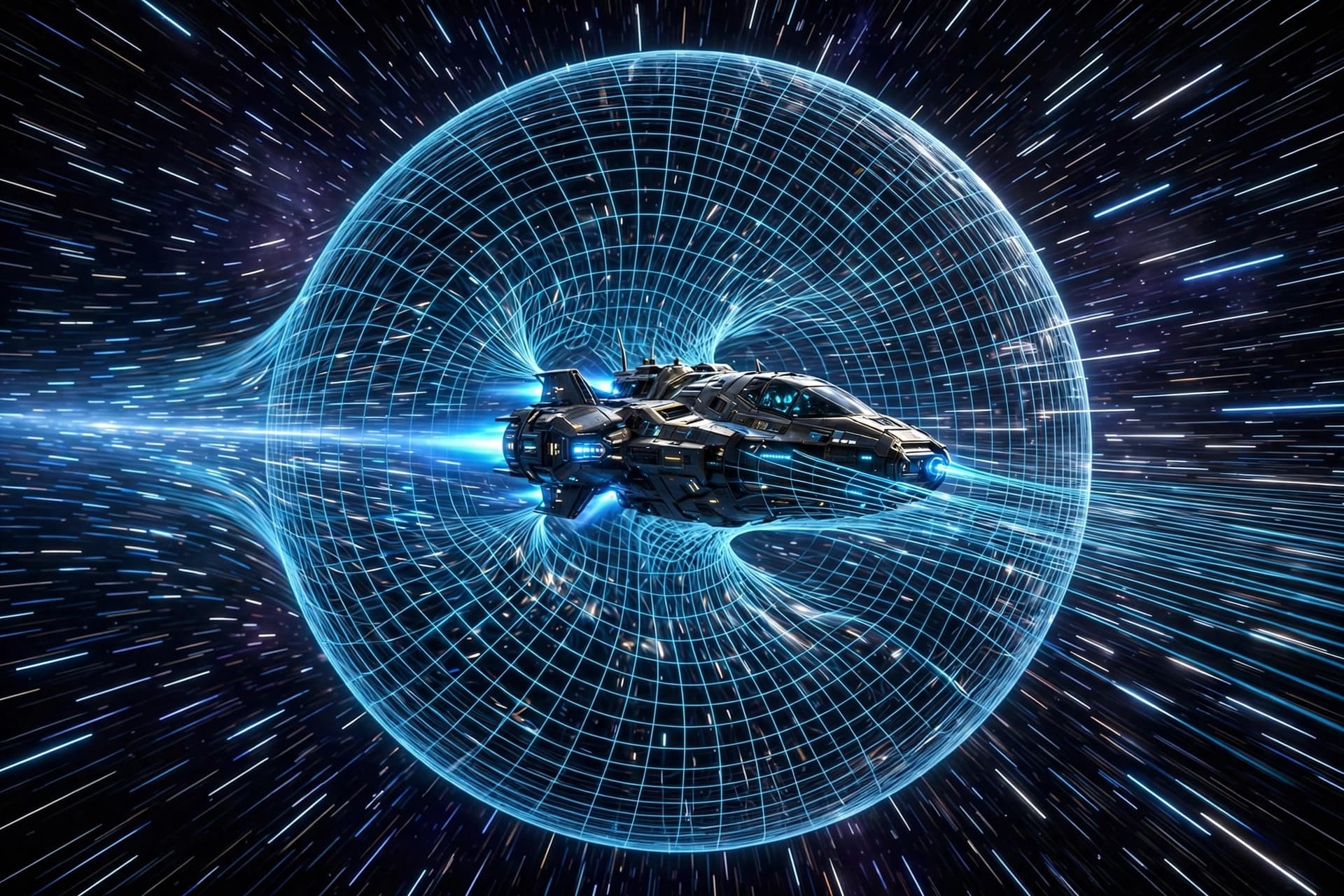
The modern discussion of warp drives begins with Miguel Alcubierre, a Mexican physicist who, in 1994, proposed a mathematical model that seemed to allow for faster-than-light travel without violating Einstein’s laws. His idea was elegant in its simplicity: rather than moving the ship through space, the drive would contract space in front of it and expand space behind it. The ship itself would remain stationary within a "warp bubble," riding a wave of distorted spacetime like a surfer on a cosmic tide. This distinction is crucial, as it avoids the relativistic effects that would otherwise make such travel impossible.
However, the Alcubierre metric comes with a significant catch: it requires "exotic matter" with negative energy density to function. Such matter has never been observed in nature, and its existence remains purely theoretical. For decades, this requirement seemed to relegate warp drives to the realm of impossibility. But recent studies have begun to chip away at these barriers, suggesting that the amount of exotic matter needed might be far less than originally thought, or that alternative configurations could achieve similar results using known physics.
In 2025 and 2026, researchers have revisited the mathematics of warp drives, proposing refined designs that better align with our current understanding of quantum mechanics and gravity. Some models suggest that by oscillating the warp field, the energy requirements could be reduced to levels that might one day be achievable with advanced nuclear or fusion power sources. These theoretical adjustments do not guarantee a working engine, but they keep the door open for future innovation.
Beyond the energy problem, there are practical challenges to consider. How would a ship enter and exit the warp bubble? What would happen to communication signals inside the bubble? And perhaps most importantly, how would the ship avoid catastrophic collisions with interstellar dust and debris at effective superluminal speeds? These questions highlight the gap between mathematical possibility and engineering reality, a gap that may take centuries to bridge.
Despite these hurdles, the pursuit of warp drive technology has yielded valuable insights into the nature of spacetime. Even if a functional warp drive remains out of reach, the research contributes to our understanding of gravity, quantum fields, and the fundamental structure of the universe. It pushes the boundaries of what we consider possible, encouraging scientists to think beyond conventional propulsion methods.
For now, warp drives remain a theoretical construct, a beacon of hope for those who look to the stars with longing. But history has shown that today’s impossibilities often become tomorrow’s realities. The journey from theory to practice is long and fraught with obstacles, but it is a journey that humanity has undertaken before, from the first flight to the moon landing.
While a working warp drive may not be in our immediate future, the scientific inquiry into its feasibility continues to inspire and challenge us. It reminds us that the universe is full of mysteries waiting to be unraveled, and that our curiosity is the engine that drives us forward. Whether we ever break the light barrier or not, the quest itself is a testament to human ingenuity and the enduring desire to explore the unknown.
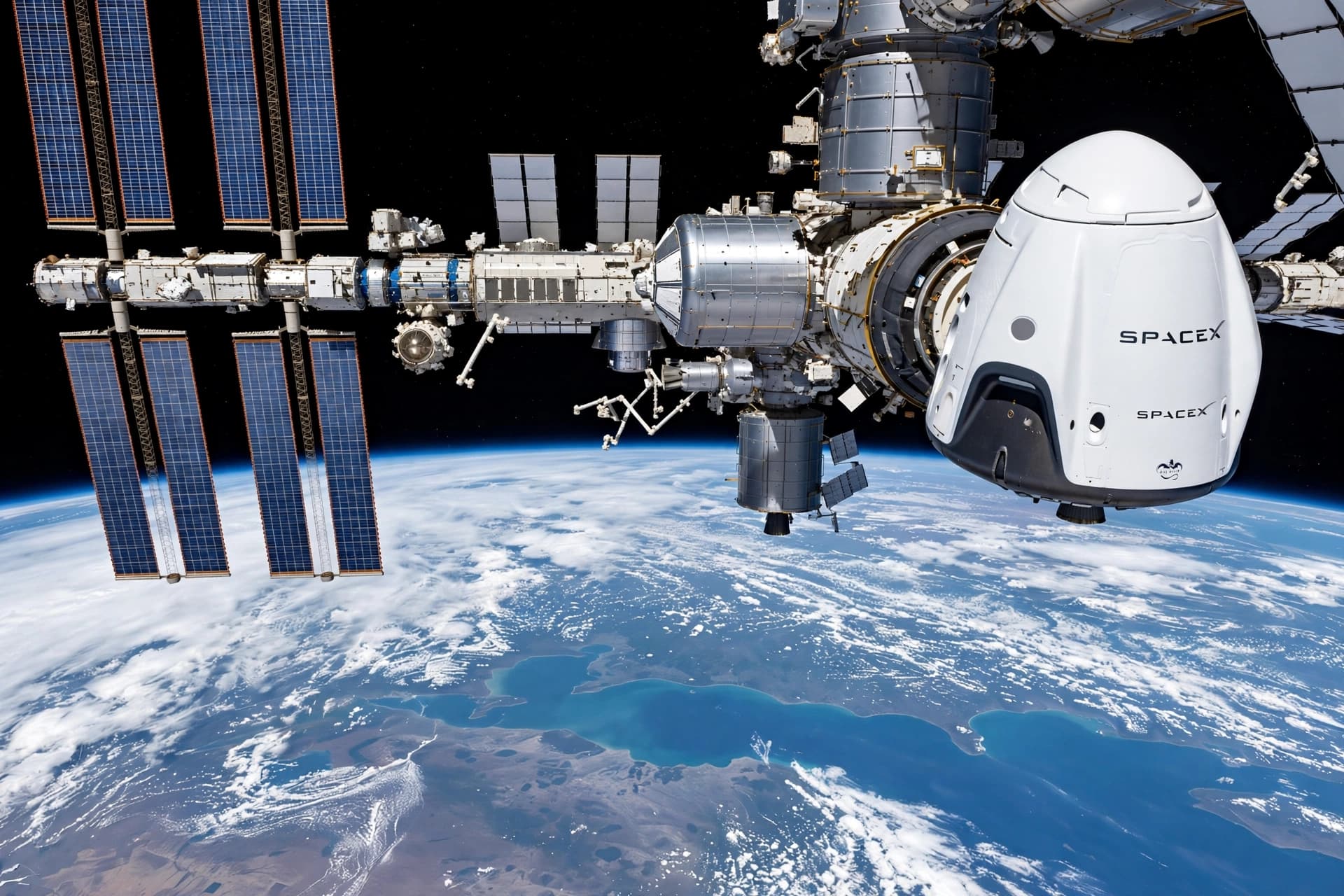
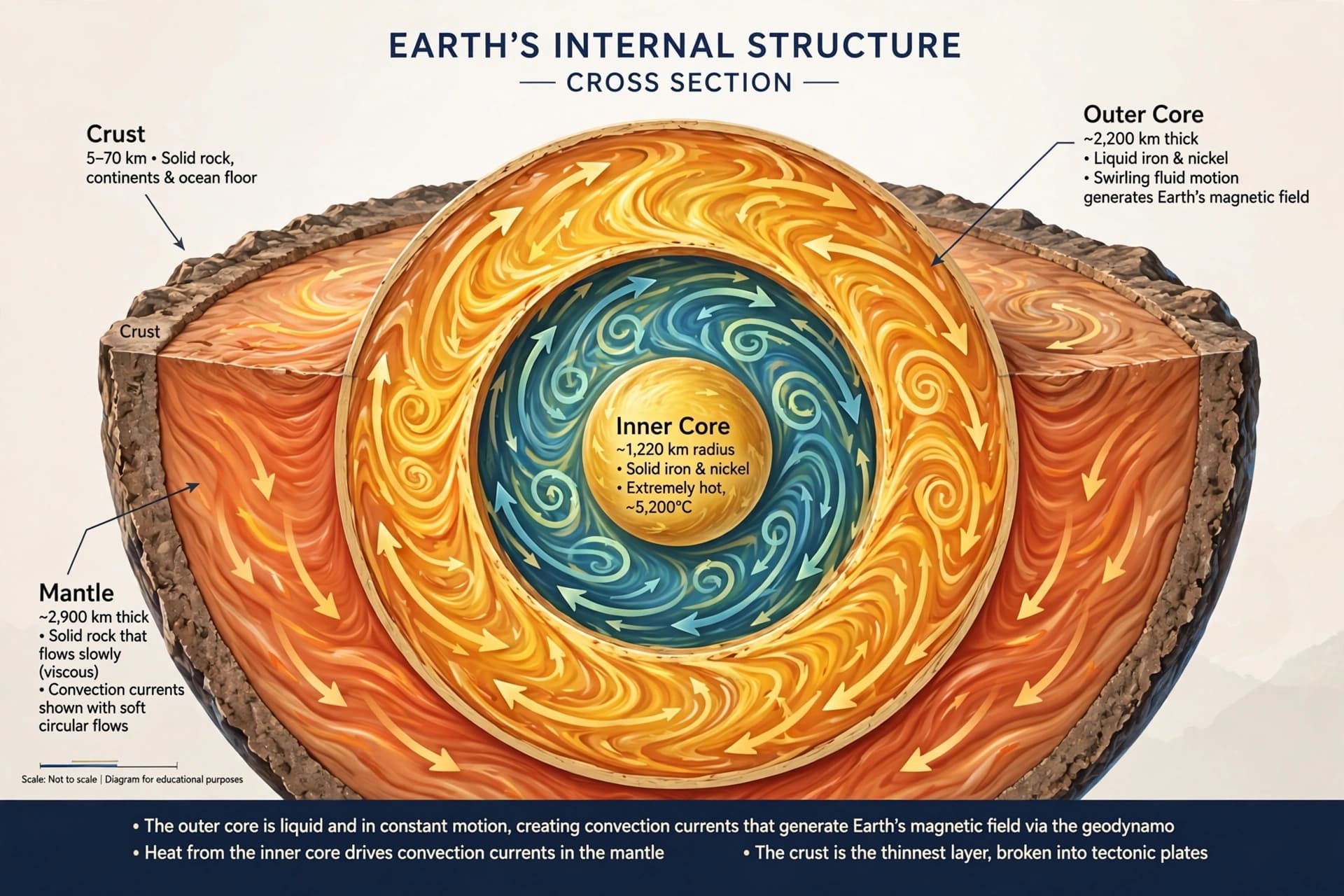
AI Image Disclaimer: The visuals accompanying this article are AI-generated illustrations designed to represent the concept of spacetime distortion and warp bubbles, not actual photographs or technical diagrams of existing technology.
Sources: Popular Mechanics, Universe Today, Wikipedia, ResearchGate
Published by Banx Network. This article is part of the Banx decentralized media programme, powered by the BXE token on the XRP Ledger.