Morning light slides across Seoul in winter, catching on glass towers and quiet cafés before the city fully wakes. In Samsung’s home city, innovation often arrives this way—without spectacle at first, like a new season sensed before it is announced. This week, that quiet shift took form as the company confirmed a defining feature bound for its next flagship, the Galaxy S26 Ultra, a device still months from release yet already shaping conversations about where smartphones are headed next.
The confirmation did not arrive as a dramatic unveiling. It came through careful language, technical briefings, and a tone of inevitability. Samsung acknowledged that the S26 Ultra will introduce a fundamentally new system at the heart of the device—an integration of advanced on-device artificial intelligence with next-generation hardware, designed to function less like a tool and more like a companion that learns, adapts, and anticipates. In a market crowded with incremental upgrades, the emphasis was not on speed alone, but on presence: how the phone sees, understands, and conserves energy in the background of daily life.
Engineers described an imaging system that relies more heavily on computational perception than raw megapixels, allowing the device to interpret light, motion, and context in real time. The camera, long the centerpiece of Samsung’s Ultra line, is expected to blend sensor innovation with AI-assisted processing that reduces noise, sharpens detail, and adjusts dynamically without the user noticing the shift. It is photography that fades into habit, capturing moments without interrupting them.
Equally central is power. Samsung confirmed that the S26 Ultra will debut a new battery architecture developed to be denser, more stable, and longer-lasting, addressing one of the quiet anxieties of modern life: the fear of the screen going dark too soon. Rather than promising dramatic leaps, the company framed endurance as continuity—days that stretch a little longer, charging rituals that recede further into the margins.
The announcement arrives at a moment when smartphones have become almost invisible in their ubiquity. Glass slabs fill pockets across continents, their differences increasingly subtle. By focusing on systems that operate beneath the surface—learning algorithms, power efficiency, seamless imaging—Samsung appears to be responding to that saturation not with spectacle, but with refinement. The goal, executives suggested, is not to demand attention, but to earn trust through reliability.
There are broader implications. As on-device AI grows more capable, questions of privacy, autonomy, and dependence hover quietly alongside excitement. Samsung emphasized that much of the intelligence in the S26 Ultra will function locally, reducing reliance on constant cloud connections. It is a technical decision, but also a philosophical one, hinting at a future where intelligence lives closer to the user, not somewhere distant and unseen.
By confirming the feature early, Samsung has set the tone for the months ahead. Competitors will respond, analysts will speculate, and expectations will harden into benchmarks. Yet for now, the Galaxy S26 Ultra exists in an in-between space—real enough to discuss, distant enough to imagine. Like the city at dawn, it suggests a direction more than a destination, a reminder that technological change often announces itself softly before it reshapes the day.
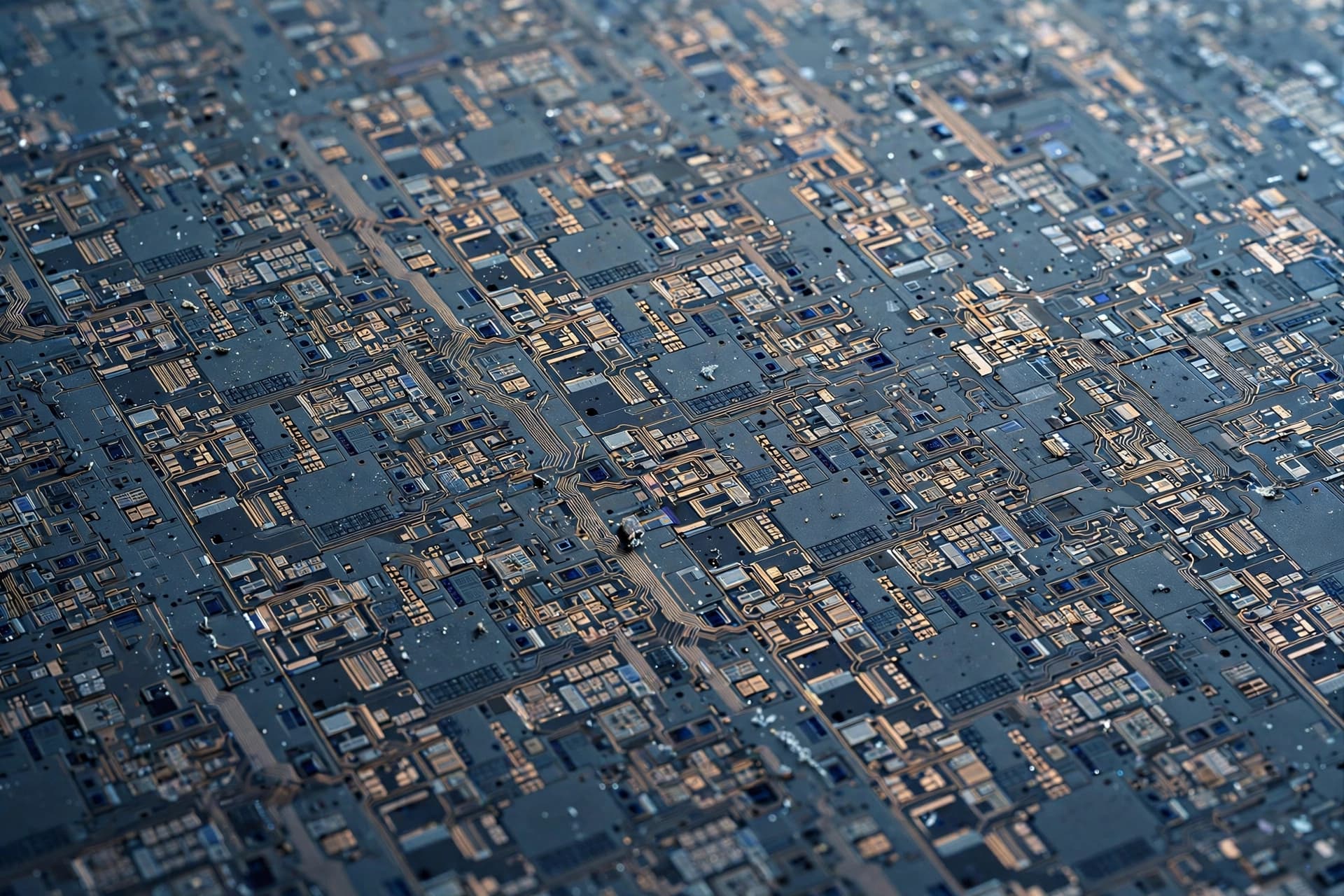
AI Image Disclaimer Illustrations were created using AI tools and are not real photographs.
Sources Samsung Electronics Reuters Bloomberg The Verge CNBC
Published by Banx Network. This article is part of the Banx decentralized media programme, powered by the BXE token on the XRP Ledger.