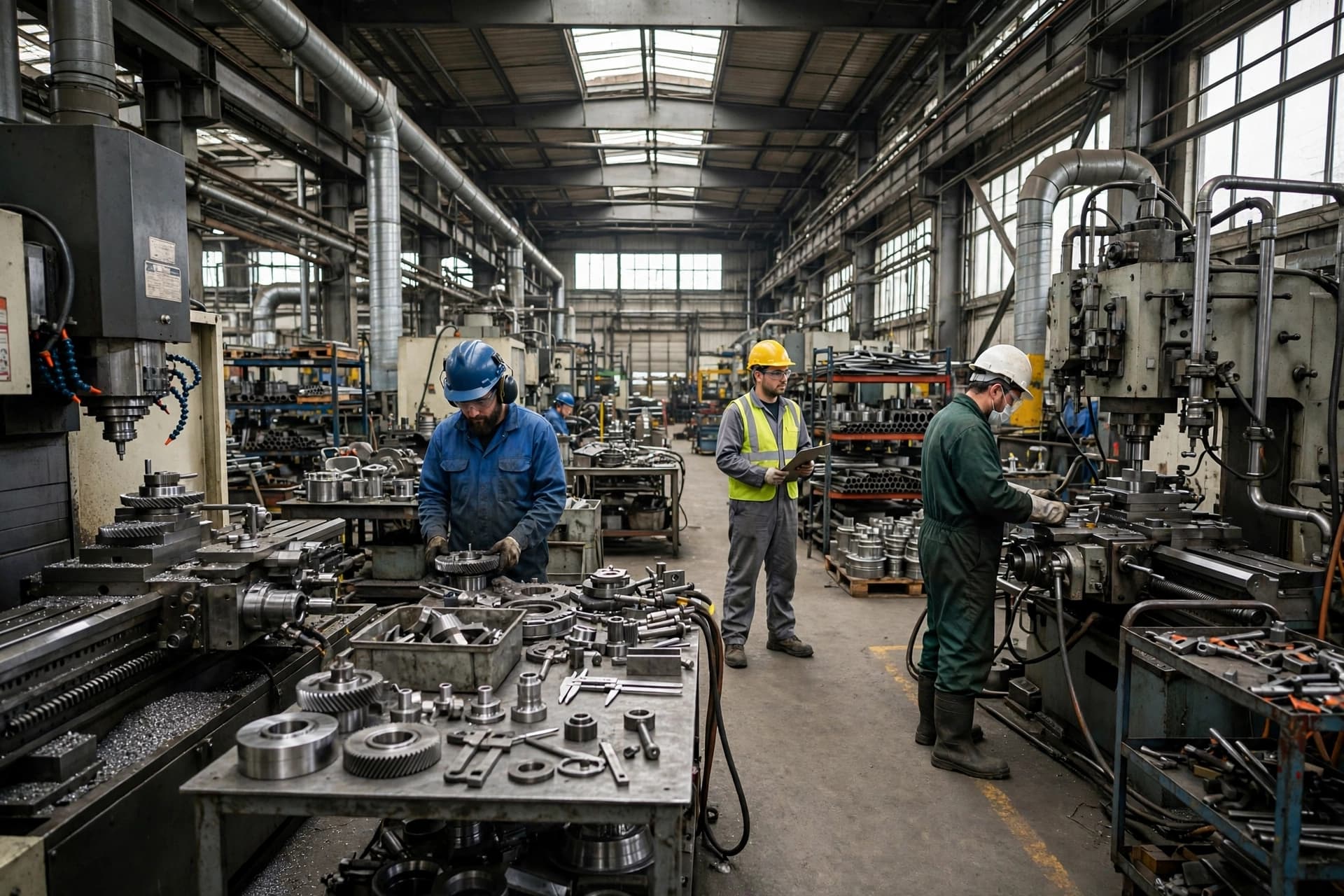
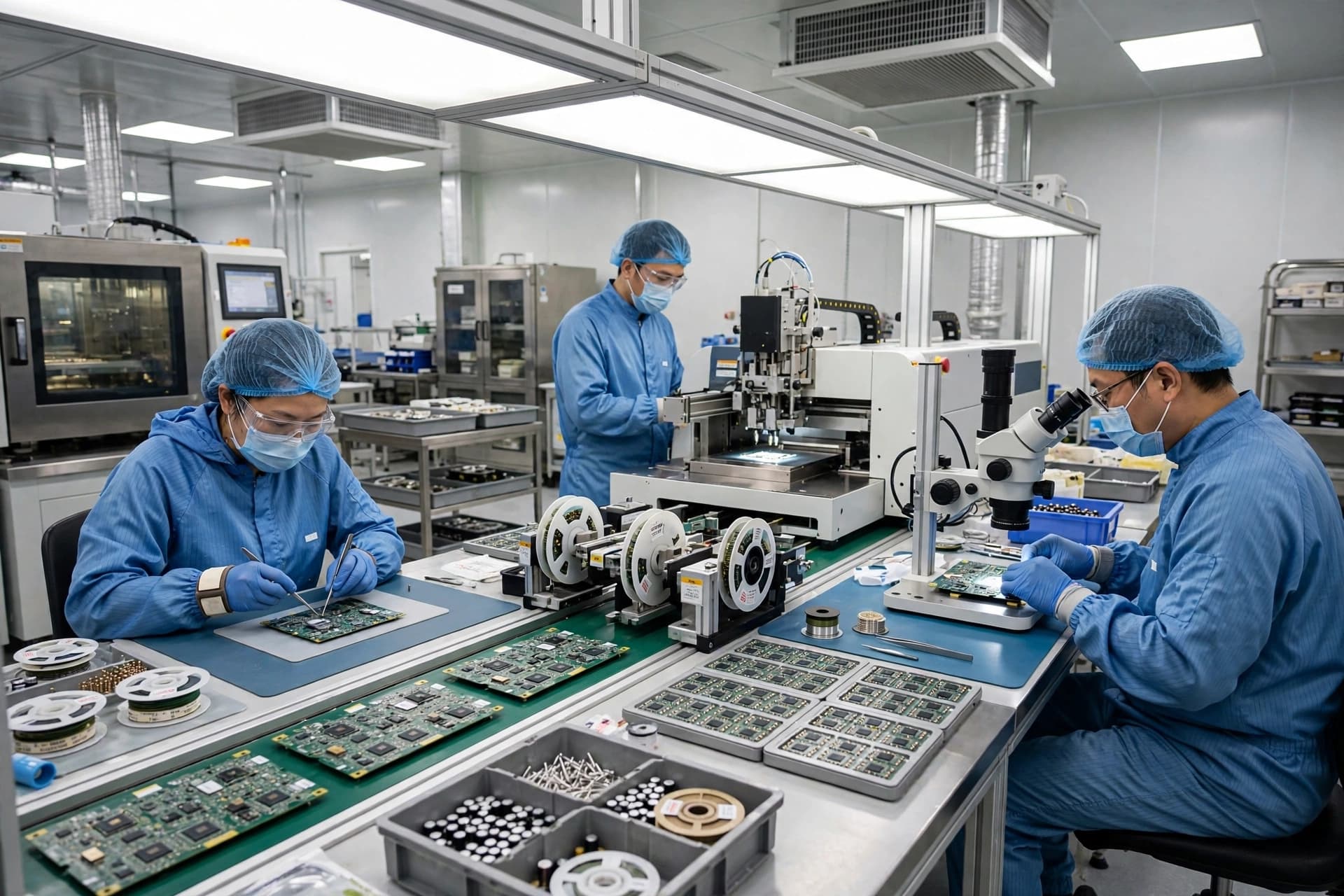
On a cold winter morning in upstate New York, where the silence of snow‑covered fields mingles with the distant hum of industry, a new drama has unfolded. Like hesitant footsteps on fresh snow, voices once quiet are now pressing into the open, questioning the path of progress. In the town of Clay, near Syracuse, a landmark semiconductor project — one that promises jobs, economic growth, and billions in investment — has become the subject of a last‑minute legal challenge that seeks to pause what many see as a bold industrial future.
Micron Technology, the U.S. semiconductor giant, recently broke ground on its massive Clay fabrication campus, a multibillion‑dollar venture aimed at bolstering domestic chip production in the face of global supply constraints. The project, backed by state and federal incentives and years of planning, is envisioned to reshape the region’s economic landscape over decades. It stands as a symbol of both technological ambition and the shifting tides in national manufacturing policy.
Yet, just hours before construction formally began, a coalition of local residents and advocacy groups filed a lawsuit in New York State Supreme Court, aiming to halt the project on environmental grounds. The plaintiffs — represented by the citizen‑led Neighbors for a Better Micron and the nonprofit Jobs to Move America — contend that the process leading up to the construction was too hurried, leaving insufficient opportunity for meaningful public review and comment on the environmental impact of the development.
At the heart of the legal filing is the claim that the project’s final environmental impact statement failed to satisfy requirements under the New York Environmental Quality Review Act. The lawsuit argues that the review did not adequately address concerns about “forever chemicals,” increased greenhouse gas emissions, the loss of approximately 200 acres of wetlands, and other ecological risks posed by such a large industrial footprint.
For many in the surrounding community, this lawsuit is an expression of deeper unease. While state and local leaders have touted the economic promise of the semiconductor complex, critics argue that the long‑term environmental costs and potential public health impacts merit a more cautious, transparent review. They say that environmental safeguards, mitigation plans, and clear commitments to community benefits should have been ironed out long before shovels hit the ground.
Supporters of the project, including government officials and business leaders, counter that the environmental review was thorough and that the permits issued reflect compliance with state and federal standards. They suggest that delay could jeopardize planned economic gains at a time when national semiconductor capacity is viewed as critical for technology and security.
This lawsuit now puts those competing visions before the courts. It underscores a broader tension familiar in other parts of the United States as industries seek to expand: how to balance economic development, environmental stewardship, and public participation in decisions that will shape communities for generations.
In the coming weeks, New York’s legal process will determine whether construction continues uninterrupted or whether further environmental review and public engagement are required. For now, the winter fields of Central New York hold their quiet, awaiting the outcome of a challenge that speaks to both the promise and the complexities of progress.
AI Image Disclaimer “Illustrations were produced with AI and serve as conceptual depictions.”
Sources (Media Names Only):
Daily Orange — Syracuse local news reporting on the lawsuit. Spectrum News — Central New York coverage of the legal challenge. CNY Central / NBC3 — Local reporting on the advocacy group lawsuit. Syracuse.com — Noted trending headline on the environmental lawsuit. Additional community reporting via social summaries — confirming the lawsuit’s context.
Published by Banx Network. This article is part of the Banx decentralized media programme, powered by the BXE token on the XRP Ledger.