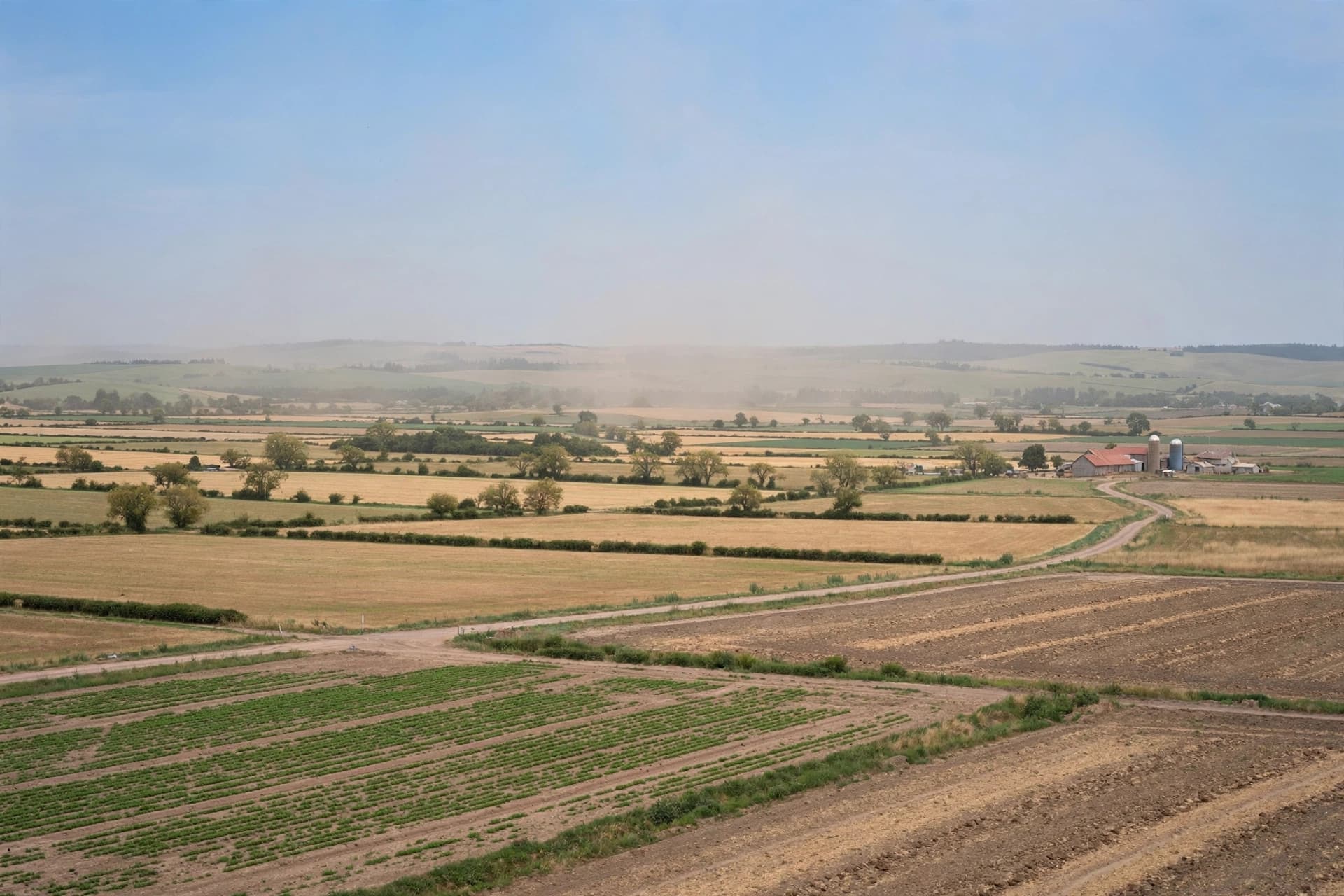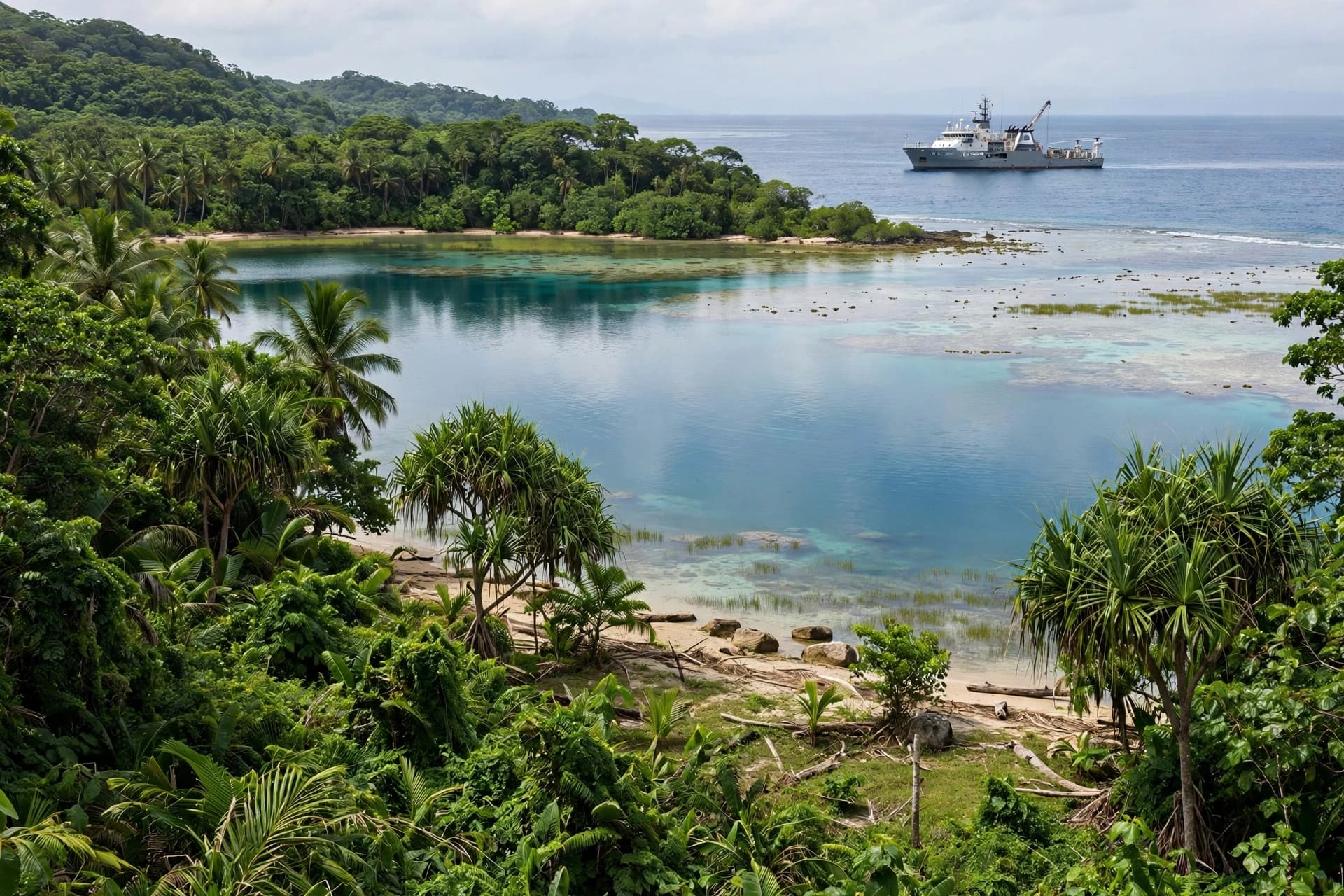
Long before forests learned to stretch upward and before soils learned how to breathe, the land was quiet and bare, holding its breath beneath open skies. In that stillness, life did not arrive with drama, but with patience. The earliest architects of terrestrial ecosystems were small, subtle, and easily overlooked, settling gently onto rock and dust where nothing else yet belonged.
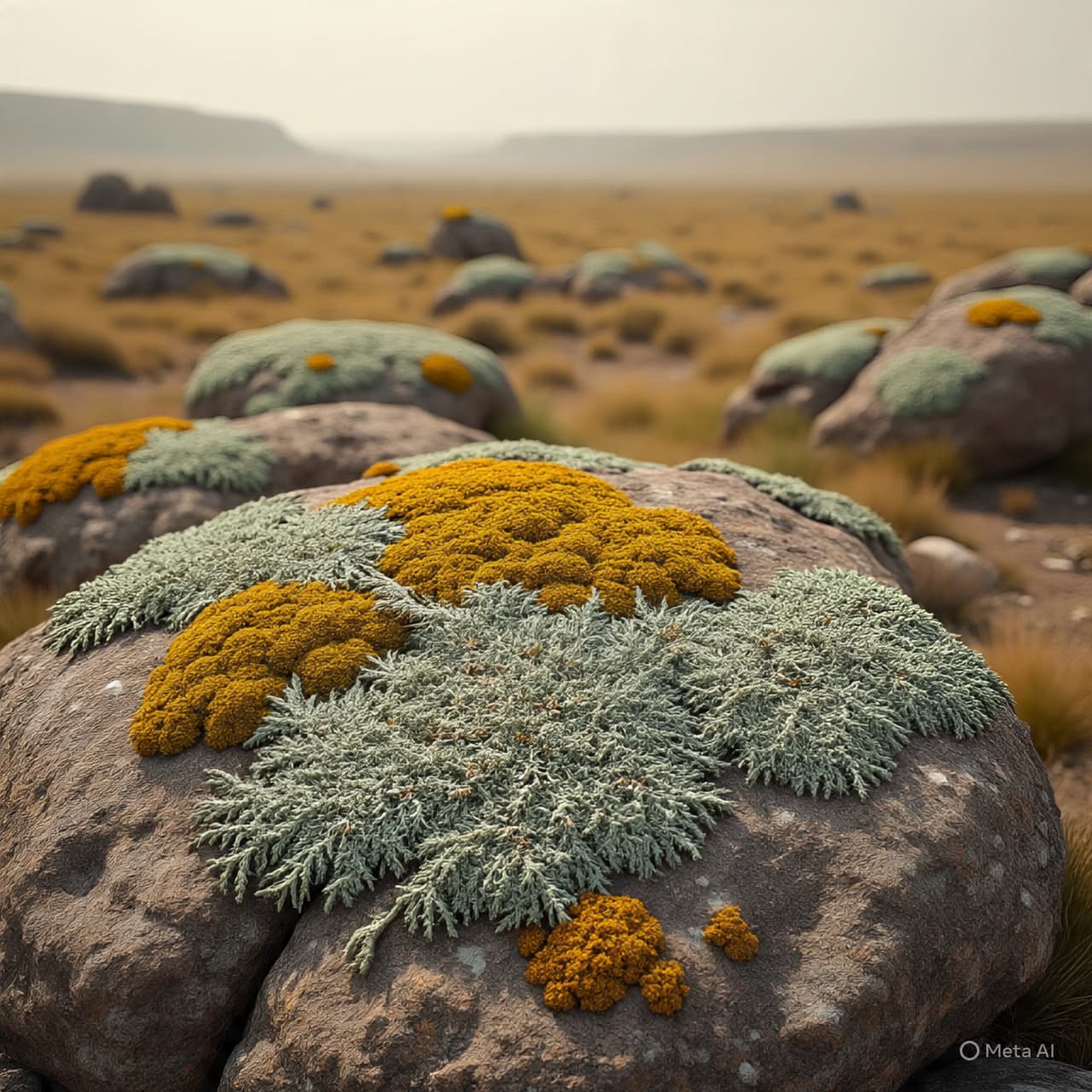
Recent fossil discoveries suggest that ancient lichens were among the first living forms to shape life on land. These early organisms, part fungus and part photosynthetic partner, did not merely survive on the surface of the Earth. They worked slowly, breaking stone into soil, holding moisture where none lingered before, and preparing the ground for future life that would follow their quiet labor. In their delicate structures, scientists now see the first outlines of ecosystems taking shape.
The fossils reveal forms strikingly similar to modern lichens, offering a rare continuity across deep time. Researchers believe these early lichens helped stabilize surfaces, regulate microclimates, and support emerging biological networks. Their presence suggests that Earth’s transition from barren terrain to living landscape was guided not by large plants, but by organisms willing to endure exposure and scarcity.
This understanding gently reshapes how scientists view the evolution of land life. Rather than a sudden greening, the process appears gradual and cooperative, built layer by layer by resilient pioneers. Lichens, often dismissed as simple or passive, emerge instead as active agents of planetary change, shaping conditions that allowed complexity to grow.
The findings add clarity to a long-standing question about how life first took hold on land. Researchers continue to study these fossils to refine timelines and ecological impact, but the evidence already points toward a quieter beginning. In the story of Earth’s early ecosystems, lichens are no longer background figures, but among the first to step forward.
AI Image Disclaimer (Rotated Wording)
Visuals are created using AI tools and are intended as conceptual depictions rather than real photographs.
Source Check (Credible Media Scan)
1. Nature 2. Science 3. BBC News 4. National Geographic 5. Scientific American
Published by Banx Network. This article is part of the Banx decentralized media programme, powered by the BXE token on the XRP Ledger.