Trade rarely announces itself with ceremony. More often, it arrives through paperwork cleared, land surveyed, and timelines shortened by margins that matter only once they accumulate. In Bangladesh, that quiet recalibration is taking shape with the clearance of the country’s first free trade zone, a move aimed at reducing export lead times and tightening the rhythm between factory floors and foreign ports.
The approval marks a shift in how the country wants to compete. Long known for scale rather than speed, Bangladesh’s export engine — anchored in garments and light manufacturing — has been constrained by logistics, customs delays, and fragmented supply chains. The free trade zone is designed to loosen those constraints, offering faster processing, simplified regulations, and a more predictable flow of goods outward.
At its core, the initiative reflects pressure from abroad. Global buyers increasingly demand shorter delivery windows, smaller production runs, and flexibility once reserved for higher-cost manufacturing hubs. Lead time, once an operational detail, has become a deciding factor in contracts. For exporters, days shaved off transit and clearance can translate directly into retained orders.
Officials have framed the zone as a pilot rather than a single solution. By clustering manufacturing, warehousing, and customs services within one framework, the aim is to reduce friction that begins long before cargo reaches a port. If successful, the model could be replicated, reshaping how Bangladesh positions itself in regional and global trade networks.
There is also a strategic dimension. As supply chains diversify away from overconcentration, countries able to offer reliability alongside cost stand to benefit. The free trade zone is an attempt to signal readiness — not just to produce, but to deliver on time.
For workers and businesses, the promise is incremental rather than transformative overnight. Faster exports may stabilize orders, encourage investment, and gradually support higher-value production. Yet the outcome will depend on execution: infrastructure, governance, and consistency matter more than announcements.
In the end, the clearance of a free trade zone is not a headline-grabbing revolution. It is an adjustment of tempo. By focusing on time — how long goods wait, how long processes stall — Bangladesh is betting that speed itself can become a competitive advantage, quietly altering its place in the global flow of trade.
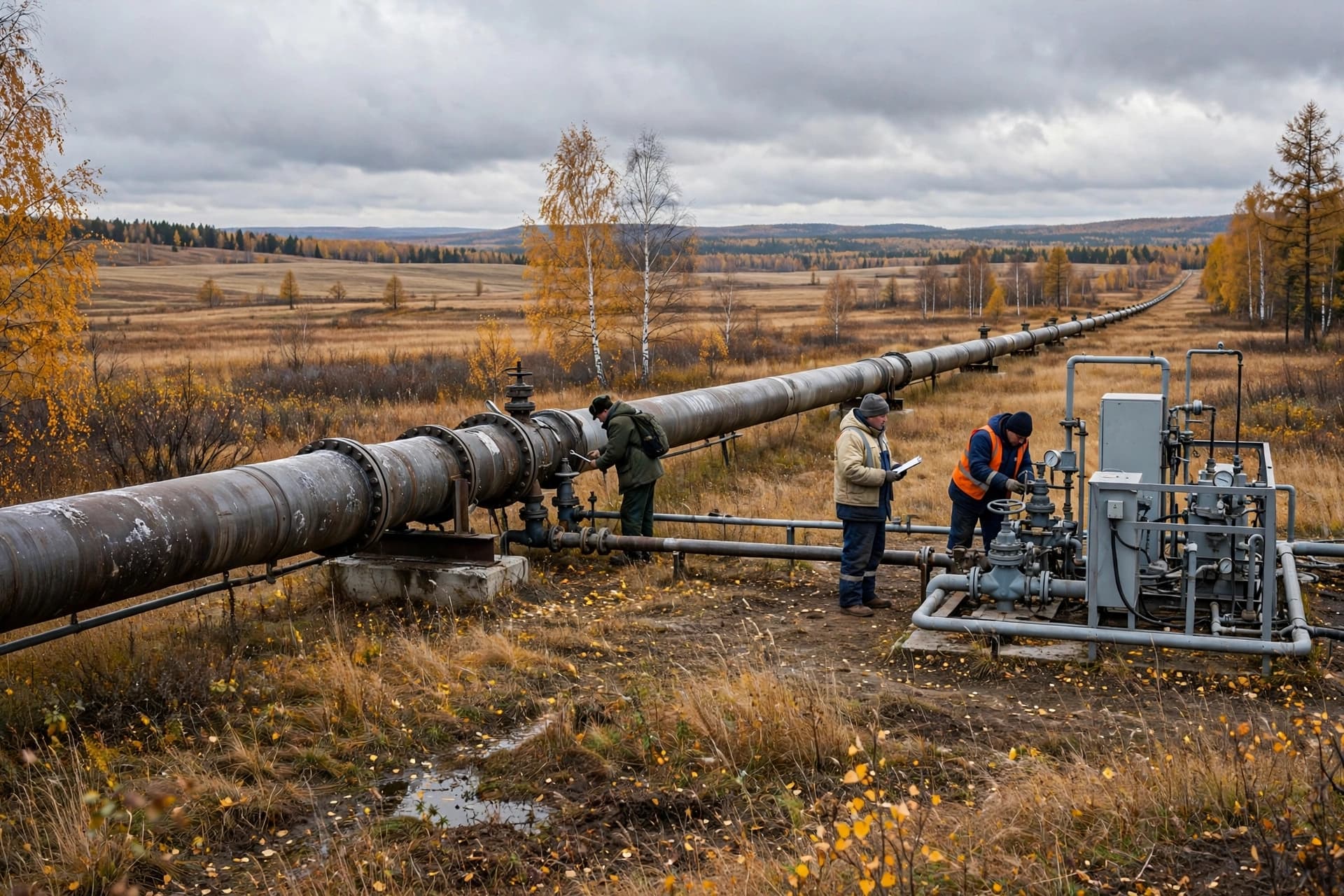
AI Image Disclaimer Visuals are AI-generated and serve as conceptual representations.
Sources Reuters Bangladesh Ministry of Commerce World Bank
Published by Banx Network. This article is part of the Banx decentralized media programme, powered by the BXE token on the XRP Ledger.