Backward compatibility is rarely celebrated when it works. It is noticed most clearly when it does not. Small stutters, broken menus, or unexpected crashes can turn nostalgia into frustration, reminding players that old games and new machines do not always speak the same language.
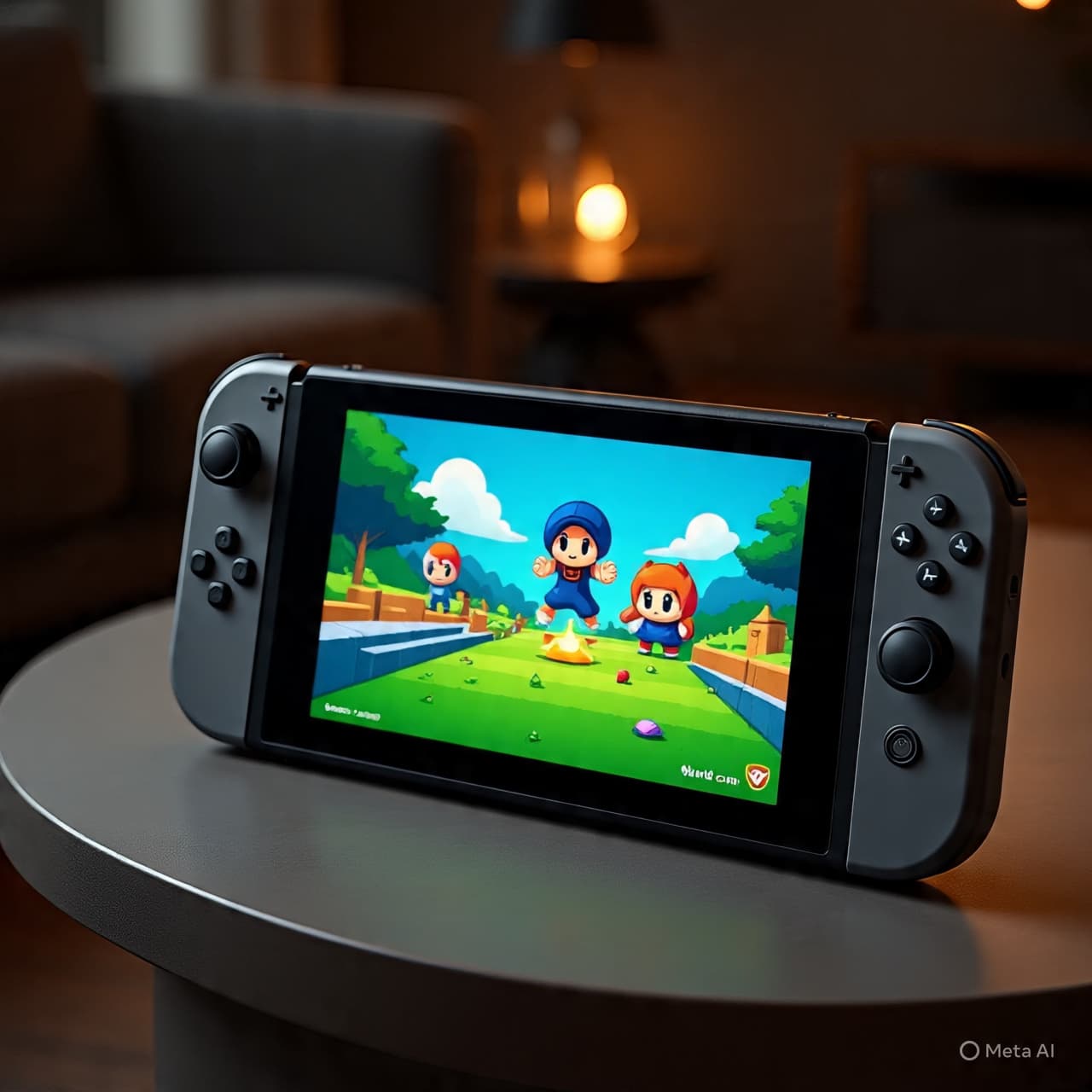
Nintendo appears to be narrowing that gap. The company has fixed additional games on its backward compatibility list for the Nintendo Switch 2, addressing issues that previously affected performance, stability, or functionality when running titles from the original Switch library.
The updates focus on games that launched with partial compatibility or noticeable flaws. Players had reported problems ranging from visual glitches and audio desynchronization to soft locks that prevented progression. With the latest adjustments, many of those titles now run closer to their original intended experience.
Nintendo has historically taken a conservative approach to backward compatibility, prioritizing reliability over sweeping promises. Rather than declaring universal support at launch, the company has opted to refine compatibility incrementally, updating internal emulation layers and system-level fixes as issues are identified.
For players, the changes are subtle but meaningful. Games that once required workarounds or cautious saving now load more consistently. Frame pacing has improved in some titles, while others benefit from corrected input recognition or restored effects that previously failed to display.
The approach reflects Nintendo’s broader design philosophy. Instead of reshaping older games to take advantage of new hardware features, the goal appears to be preservation — ensuring that past releases remain playable without altering their original identity.
Backward compatibility also carries practical weight. A stronger, more stable legacy library makes the transition to new hardware less disruptive, allowing players to carry their collections forward rather than starting over.
Nintendo has not indicated that the compatibility work is finished. More fixes are expected as testing continues and player feedback surfaces additional edge cases. For now, the expanding list suggests a quiet but steady commitment to making the Switch 2 a bridge rather than a break.
In an industry often focused on what is new, these updates serve as a reminder that longevity matters too — and that sometimes progress arrives not through bold announcements, but through careful repair.
Published by Banx Network. This article is part of the Banx decentralized media programme, powered by the BXE token on the XRP Ledger.