Key Highlights
- New e-bike compliance scheme in Queensland aims to improve safety.
- Thousands of riders face barriers due to limited verification locations.
- Critics argue the policy does not account for rural infrastructure needs.
Queensland's new Electrically Power-Assisted Cycle Assurance Scheme, which took effect on November 2, aims to enhance safety on the roads by distinguishing between legal e-bikes and high-powered devices. However, the initiative has inadvertently created significant challenges for many riders, particularly those living outside the southeast corner of the state. The compliance deadline, set for February 28, 2027, requires owners of eligible e-bikes made before July 1, 2026, to have their devices verified at authorized retailers and fitted with a compliance label. The cost for this verification is capped at $70, but the limited number of verification locations poses a major hurdle for many.
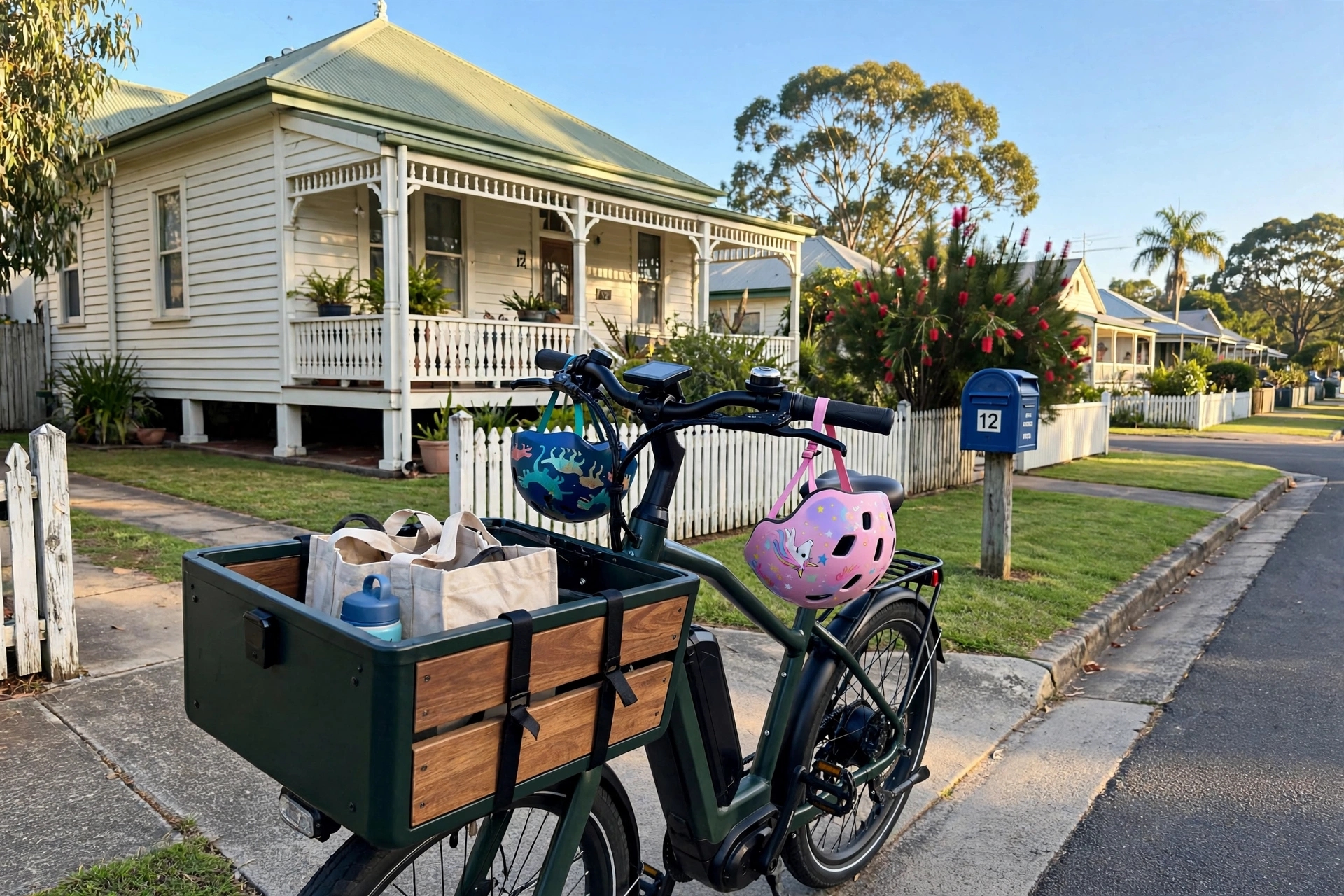
Currently, there are only nine authorized verification locations across Queensland, with the furthest north being in Rockhampton. This leaves riders in remote areas, such as Bundaberg, facing daunting travel distances to comply with the new regulations. Rhianna Steindl, a mother who relies on her cargo e-bike for daily commuting and errands, finds herself in a difficult position. The nearest verifier is 287 kilometers away, despite her bike meeting all technical requirements. "The law, as currently implemented, does not see her that way," she notes, highlighting the disconnect between policy and practical realities.
Matt Burke, CEO of Bikes Queensland, expressed frustration over the situation, stating, "If you live north of Rockhampton, bad luck. There's going to be no one within almost 700km of some of these cities, like Cairns and Townsville, where you can get your bike verified." A University of Queensland study estimates that over 200,000 legal e-vehicles in the state require a compliance sticker, with a significant portion of these owned by households in remote areas. The scheme's design appears to be misaligned with the geographical and infrastructural realities of Queensland.
In response to the growing concerns, the Department of Transport and Main Roads has acknowledged the gap in service availability and promised that "alternative arrangements" will be made for rural and remote residents. These arrangements may include temporary conditional permits, with further details expected early next year. While the government has indicated that the number of participating bike shops will increase, the current lack of coverage remains a pressing issue for many riders.
The timing of the compliance deadline further complicates matters, as it falls just after the busy Christmas season for bike shops. Advocates have criticized the transition period as rushed, arguing that riders who are following the law should not be penalized due to the government's legislative shortcomings. The fee, while manageable for those in urban areas, becomes a significant burden for rural riders who must travel long distances to comply.
Ultimately, the e-bike compliance scheme reveals a broader issue in policy design: the assumption that urban conditions apply uniformly across the state. For many rural riders, e-bikes are not merely a lifestyle choice but a vital mode of transportation that has replaced reliance on cars. The compliance label, intended as a formality, has instead become a barrier, pushing riders back into cars and undermining the very goals the scheme was meant to achieve.
The images accompanying this article are AI-generated and do not depict the actual riders or locations mentioned.
Published by Banx Network. This article is part of the Banx decentralized media programme, powered by the BXE token on the XRP Ledger.