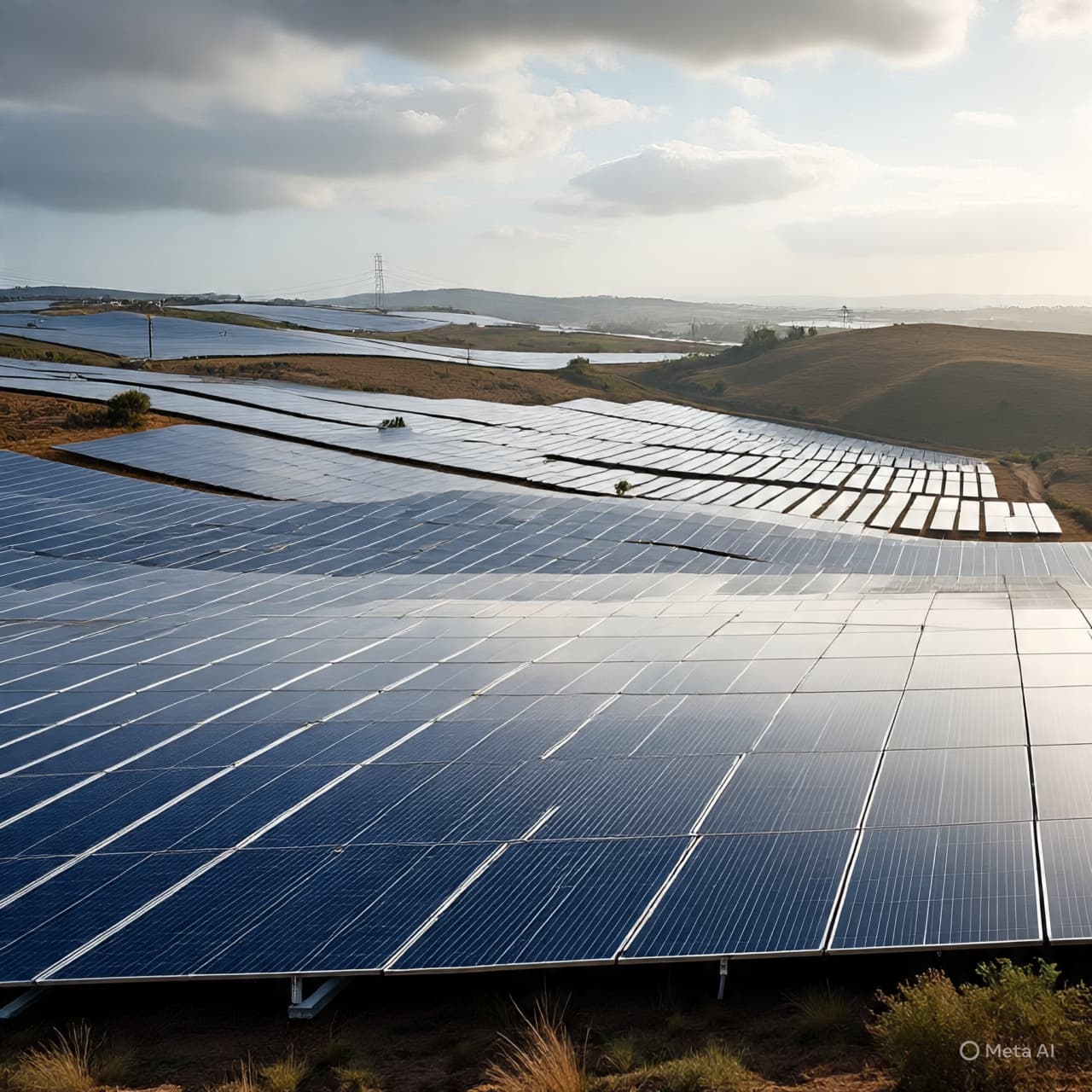
In Spain, the sun has long been more than a feature of the landscape. It has been a symbol of promise, an everyday reminder that nature itself could help power the future. For years, that quiet confidence shaped national ambitions, placing renewable energy at the heart of economic renewal and climate responsibility. Yet, like a sky that suddenly clouds over, a sense of uncertainty has begun to drift into this once-bright narrative.
Spain remains one of Europe’s strongest producers of renewable power, with wind farms stretching across plains and solar panels absorbing light from dawn to dusk. Record levels of clean electricity generation have reinforced the country’s reputation as a leader in the energy transition. These achievements did not arrive by accident; they were the result of policy choices, investment signals, and public support aligned toward a greener horizon.
Recently, however, that alignment has shown signs of strain. Political debates have grown sharper around energy costs, grid stability, and the pace of infrastructure development. As electricity prices fluctuate and economic pressures mount, renewable expansion is increasingly discussed not only as an environmental goal, but as a financial and logistical challenge. The conversation has shifted from celebration to calibration.
Grid congestion and energy curtailment have emerged as practical concerns. In some regions, clean power is produced faster than it can be transmitted or stored, leading to difficult decisions about when to limit output. At the same time, regulatory uncertainty and memories of past subsidy changes linger among investors, tempering enthusiasm that once seemed unquestioned.
Spain’s government continues to reaffirm its long-term climate targets, emphasizing commitments to carbon neutrality and expanded renewable capacity. Official plans still outline ambitious goals for the coming decade, supported by European Union funding and modernization programs. Yet, reassurance now competes with caution, as policymakers balance green objectives with voter sensitivity to energy prices and reliability.
For communities near wind and solar projects, the transition feels personal. Renewable energy has brought jobs and investment, but also land-use debates and concerns about local impact. These voices add another layer to a national discussion that is no longer purely about megawatts and emissions, but about trust, fairness, and shared benefit.
None of this signals an abandonment of renewable energy. Rather, it reflects a moment of pause, a collective breath taken as Spain assesses how fast it can move without stumbling. The country’s energy journey appears less like a straight line and more like a winding road, shaped by weather, markets, and political tides.
As Spain looks ahead, its commitment may not be fading, but evolving. The challenge lies in translating ambition into systems resilient enough to withstand economic pressure and public scrutiny. Whether the sun continues to guide the way will depend not only on natural advantage, but on steady policy, clear communication, and patient resolve.
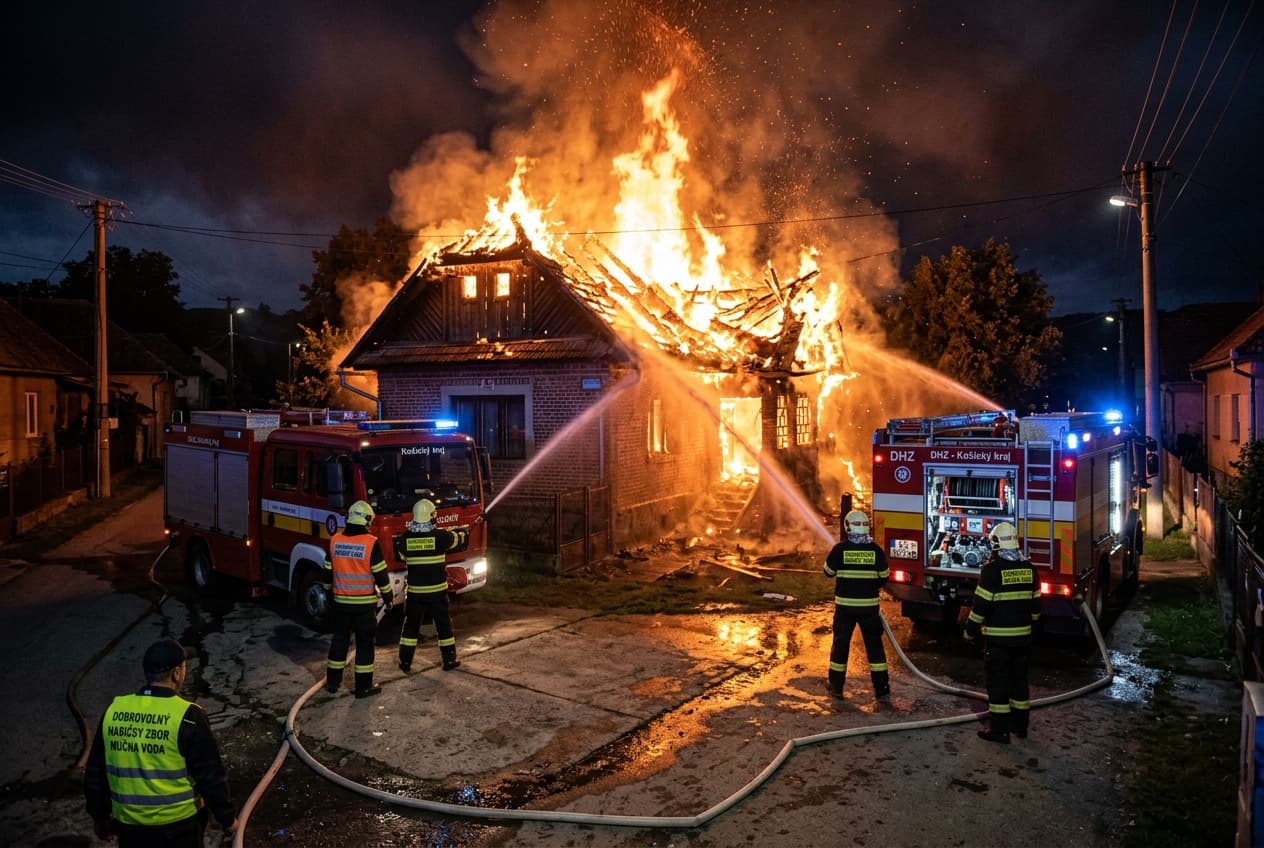
AI Image Disclaimer Visuals accompanying this article are AI-generated illustrations intended to represent concepts, not real events or photographs.
Sources (Media Names Only) AOL The Local Red Eléctrica Scope Ratings Uzalendo News
Published by Banx Network. This article is part of the Banx decentralized media programme, powered by the BXE token on the XRP Ledger.