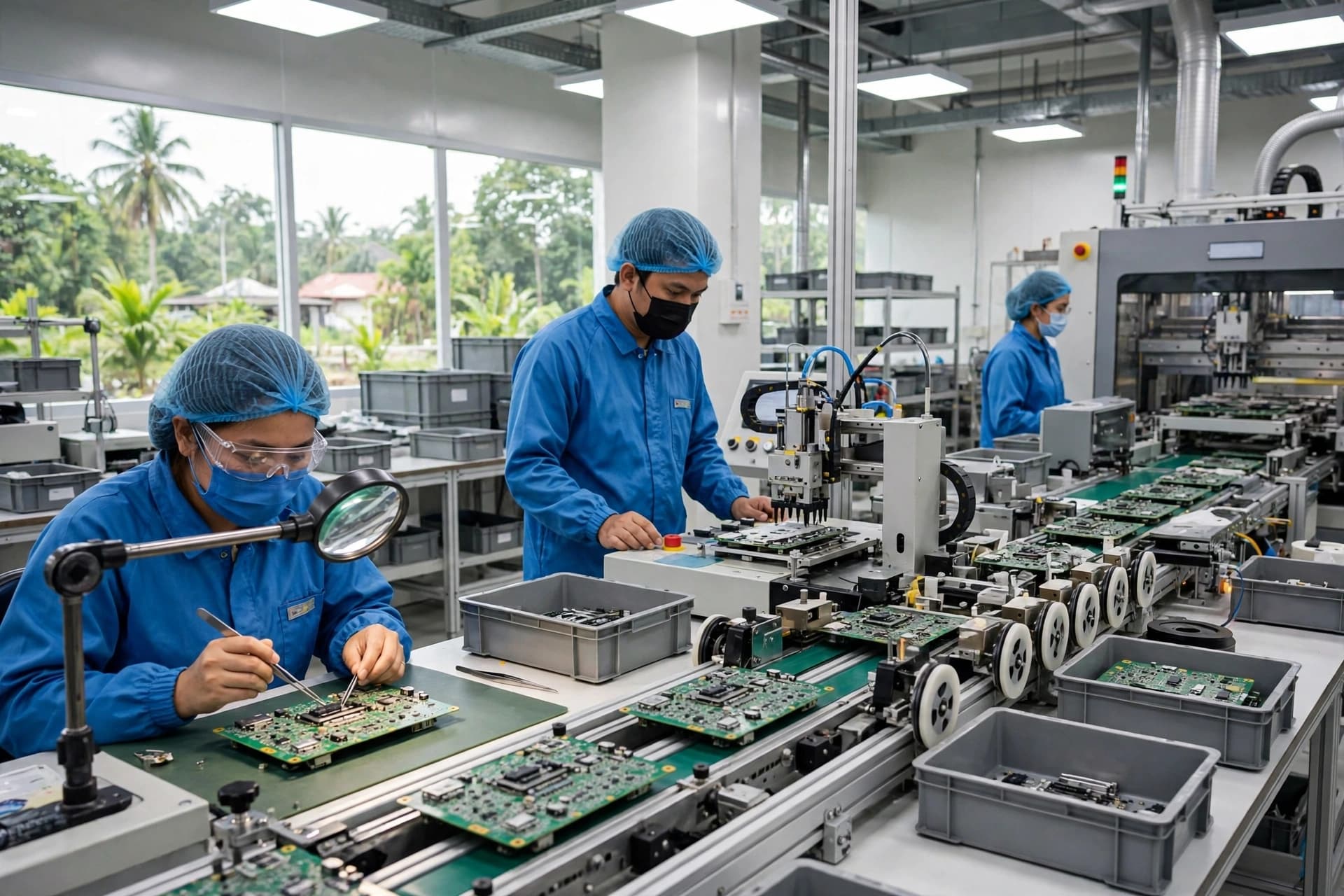
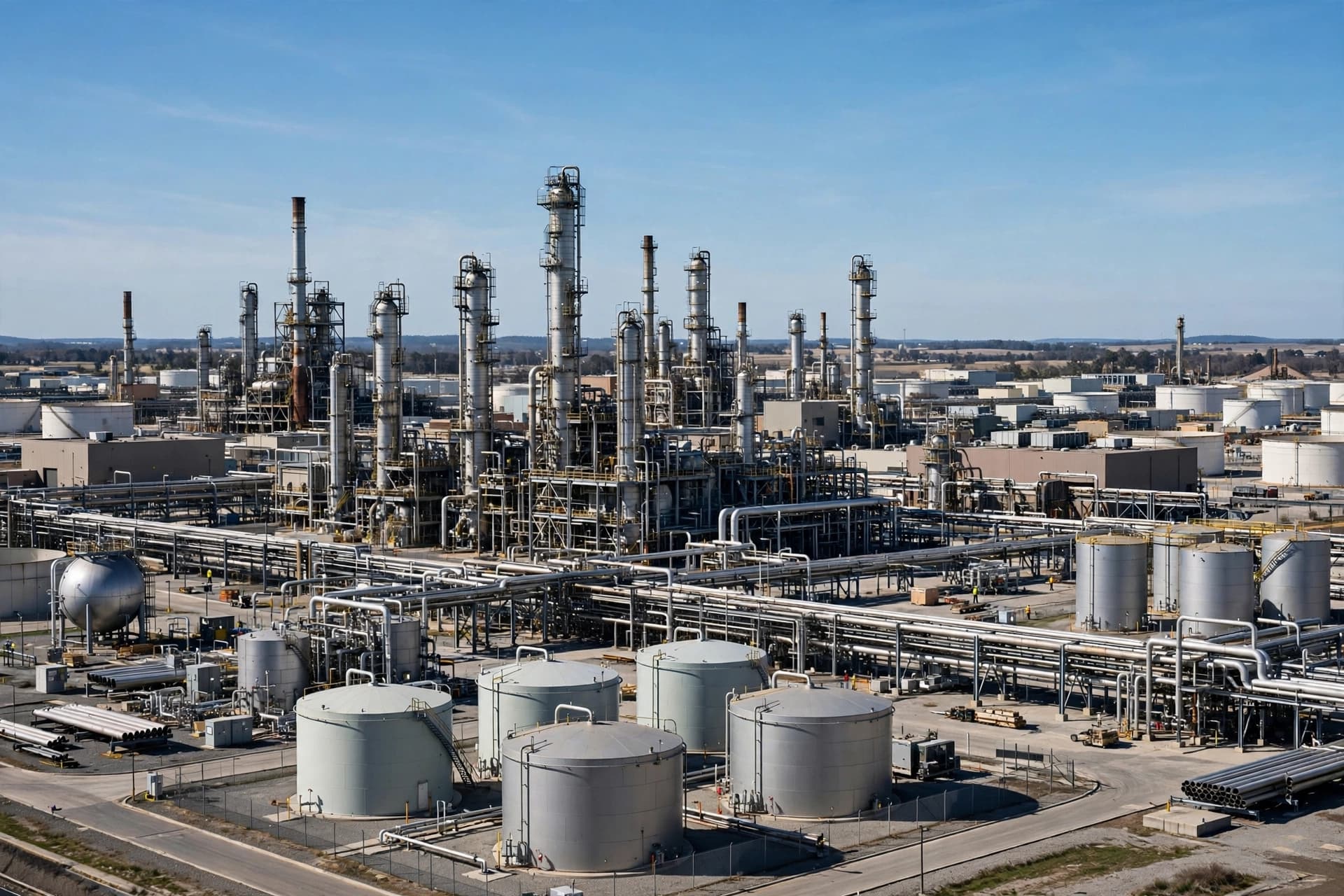
In a moment that underscores growing unease among global carmakers, leading automakers have warned U.S. lawmakers that China represents a “clear and present threat” to the U.S. automotive industry, particularly as Chinese companies expand their capabilities and production globally. The warning came on Thursday during testimony before a U.S. House committee, where industry representatives urged policymakers to act to protect domestic manufacturing.
The statement was delivered by the Alliance for Automotive Innovation, a trade group representing major automakers including General Motors, Ford, Toyota, Volkswagen, Hyundai and others. The group pressed Congress and the Trump administration to block Chinese government-backed automakers and battery companies from establishing manufacturing operations in the United States, arguing that China’s state-supported production and potential market entry could threaten the competitiveness and long-term viability of U.S. companies.
Industry voices said that China’s rapid rise as the world’s leading vehicle exporter — especially in electric vehicles (EVs) — has created an uneven playing field. They pointed to heavy subsidies, market-distorting support, and overproduction in China as factors that could allow Chinese manufacturers to underprice competitors and capture market share in ways that U.S. firms might struggle to match.
Lawmakers at the hearing showed bipartisan concern over the issue, with some emphasizing not only economic competition but also national security risks tied to foreign automotive software and critical components. The industry group urged that existing Commerce Department restrictions — originally implemented under previous administrations to limit Chinese tech sales — be codified into law to prevent what they see as unfair competition.
China’s embassy in Washington had not responded to the automakers’ claims as of the latest reports. The debate highlights an increasingly fraught intersection of trade policy, industrial strategy and emerging technologies — especially as the global auto market shifts more toward electric and connected vehicles.
AI Image Disclaimer Images in this article are AI-generated illustrations, meant for concept only.
Sources Reuters (via CNBC report) Yahoo Finance syndicated reporting Marketscreener coverage of the Reuters story
Published by Banx Network. This article is part of the Banx decentralized media programme, powered by the BXE token on the XRP Ledger.