In Baghdad’s grand halls and quiet cafés alike, the air carries a mix of hope and exasperation as Iraq’s political future hangs in a delicate balance. More than a month after the November 2025 parliamentary elections, the nation’s leaders have yet to forge the alliances needed to form a stable government — a reminder that democracy’s promise sometimes comes with the heavy weight of complex negotiation rather than swift clarity.
Iraq’s election delivered a fractured parliament, with no single bloc securing a decisive majority in the 329‑seat legislature. Prime Minister Mohammed Shia al‑Sudani’s Reconstruction and Development Coalition won the largest share of seats, but with only 46 seats, it remains far short of the numbers needed to govern alone. That has set off a whirlwind of negotiations among rival factions, each seeking to shape the next chapter of Iraqi governance.
At the heart of this political puzzle lies the Coordination Framework, a coalition of Iran‑aligned Shiite parties that collectively emerged as the largest parliamentary bloc. Yet even within that coalition, leaders are divided — and there are growing doubts about whether they will back al‑Sudani for a second term. Analysts say the Framework wants a prime minister it can influence, and al‑Sudani’s rising stature and independent streak have made some within the bloc wary of granting him renewed leadership.
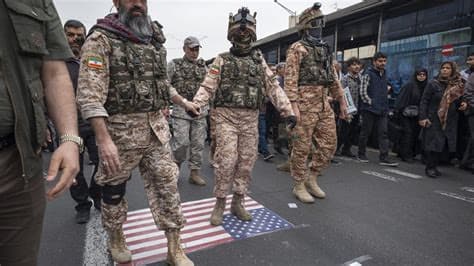
The dynamics are further complicated by the absence of the influential Sadrist movement, which boycotted the election. That vacuum opened space for other parties, including those with affiliated armed wings, which won more than 100 parliamentary seats — the largest showing of militia‑linked political forces since 2003. Their strength has added another layer of tension to negotiations, especially as foreign actors like the United States press Iraq to restrain Iran‑backed groups and avoid empowering militia figures in government roles.
Sunni and Kurdish blocs, too, are reshaping their positions. Sunni politicians have regrouped under a new coalition called the National Political Council, seeking to reclaim influence lost in earlier cycles. Meanwhile, Kurdish parties — traditionally divided between the Kurdistan Democratic Party and the Patriotic Union of Kurdistan — continue jockeying for the presidency, a role reserved by convention for a Kurd while the prime ministership goes to a Shiite Arab and the parliamentary speaker to a Sunni Arab.
Beyond the question of leadership, Iraq faces daunting economic and structural challenges. The country carries massive public debt and remains heavily reliant on oil exports for government revenue, while entrenched corruption erodes public trust. Security concerns also loom large: the future role of the Popular Mobilization Forces — a coalition of militias that helped defeat the Islamic State but still operates with significant autonomy — remains one of the thorniest issues in political talks.
As the clock ticks on constitutional deadlines for electing a speaker, president, and prime minister, Iraq’s political actors must bridge deep divides to forge a government that can address everyday needs and long‑term stability. For ordinary Iraqis, the stakes are tangible: the government that emerges will confront pressing tasks from economic reform to public services and security. In a country where past political stalemates have tested patience and resilience, the outcome of these negotiations will shape Iraq’s path for years to come.
AI Image Disclaimer “Visuals are created with AI tools and are not real photographs.”
Sources Associated Press (via ABC News) Hürriyet Daily News AP News (via multiple outlets) The Journal Wikipedia — 2025 Iraqi parliamentary election
Published by Banx Network. This article is part of the Banx decentralized media programme, powered by the BXE token on the XRP Ledger.