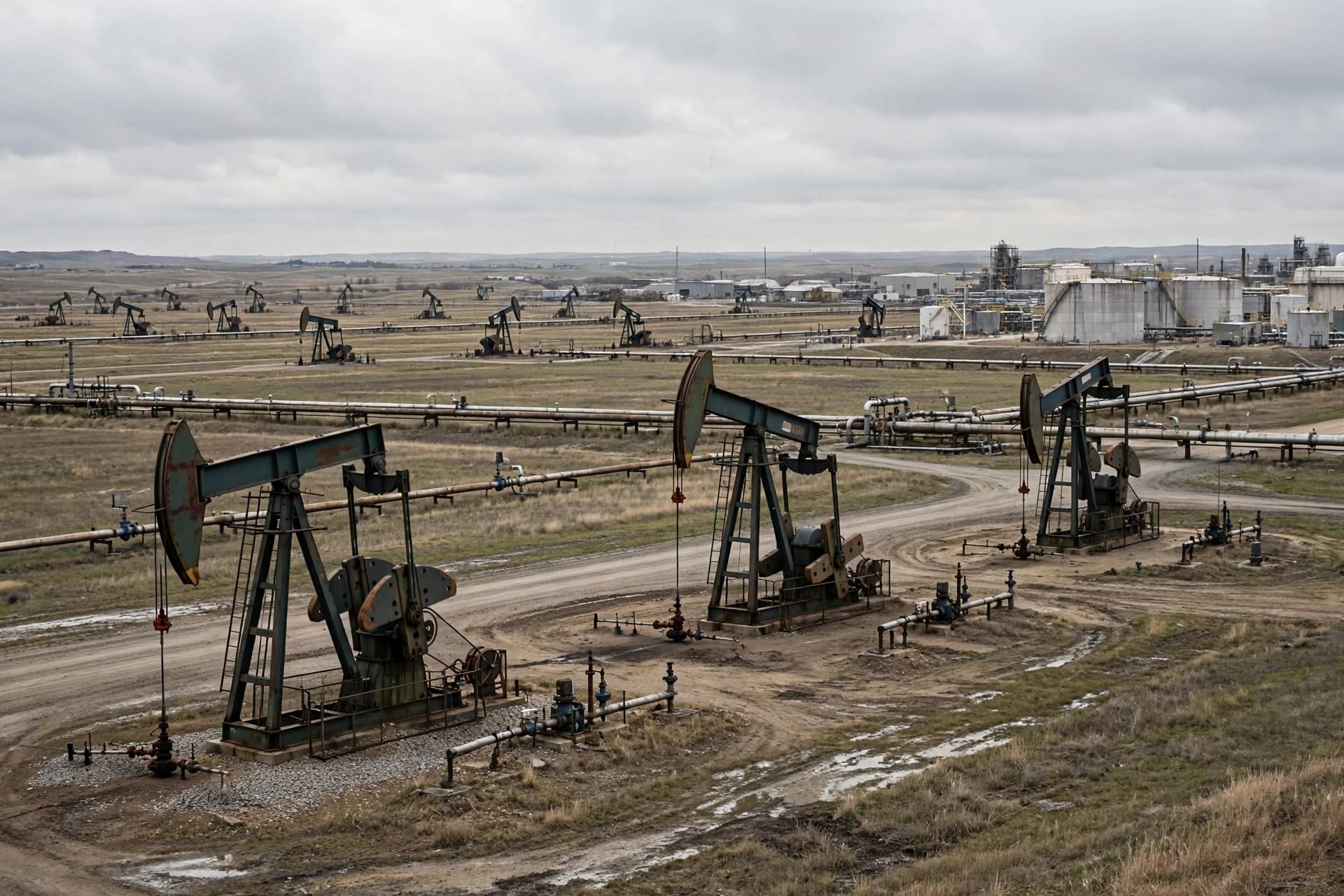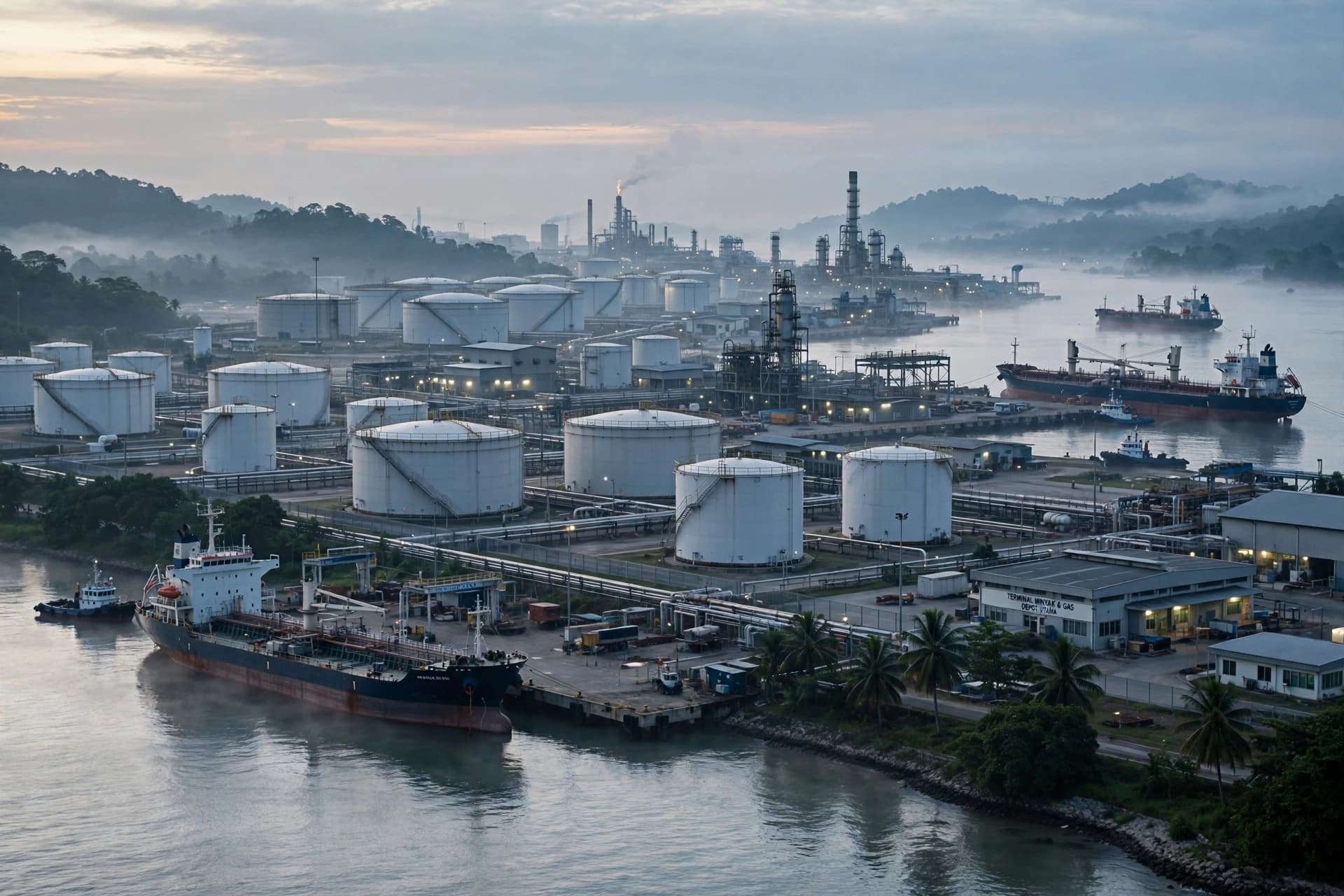
The Jakarta Post reported that the conflict in the Middle East has encouraged ASEAN countries to reassess their energy resilience strategies. The concern has grown as disruptions around the Strait of Hormuz have affected one of the world's most important routes for oil and gas shipments.
For Southeast Asia, the issue is particularly important because the region remains heavily dependent on imported energy. Although countries have different energy mixes, many rely on international markets to maintain fuel supplies and support industrial activity.
Indonesia has been looking at the issue from several directions. As both an energy producer and importer, the country occupies a different position from some of its neighbors, but changes in global prices can still influence domestic fuel costs, transportation and manufacturing.
Singapore faces another dimension of the challenge. As a major trading and refining hub, its economy is closely connected to the movement of energy commodities through international shipping routes. Disruptions can therefore affect not only domestic consumption but also a wider network of regional businesses.
The situation is also encouraging greater attention toward diversification. Governments and companies have increasingly discussed renewable energy, natural gas infrastructure, energy efficiency and alternative supply arrangements as ways to reduce exposure to sudden disruptions.
Such changes rarely happen overnight. Energy infrastructure requires years of planning, large amounts of capital and coordination between governments, utilities and private companies. Yet periods of disruption often accelerate decisions that had previously moved more slowly.
For ASEAN, the challenge is not simply to secure more fuel. It is to create an energy system capable of absorbing shocks without allowing one disrupted shipping route or sudden price increase to spread through the entire economy.
The Middle East crisis has therefore become another reminder of how closely connected Asian economies have become. A tanker route in one part of the world can influence factories, airlines and households in another.
As the region looks ahead, energy resilience is gradually becoming part of a broader economic strategy. The objective is not to isolate Southeast Asia from global markets, but to make sure that when those markets become unsettled, the region has more than one path forward.
AI Image Disclaimer
This AI-generated illustration is for editorial visualization only and does not depict an actual event or specific location.
Sources
The Jakarta Post ASEAN International Energy Agency Reuters
Published by Banx Network. This article is part of the Banx decentralized media programme, powered by the BXE token on the XRP Ledger.