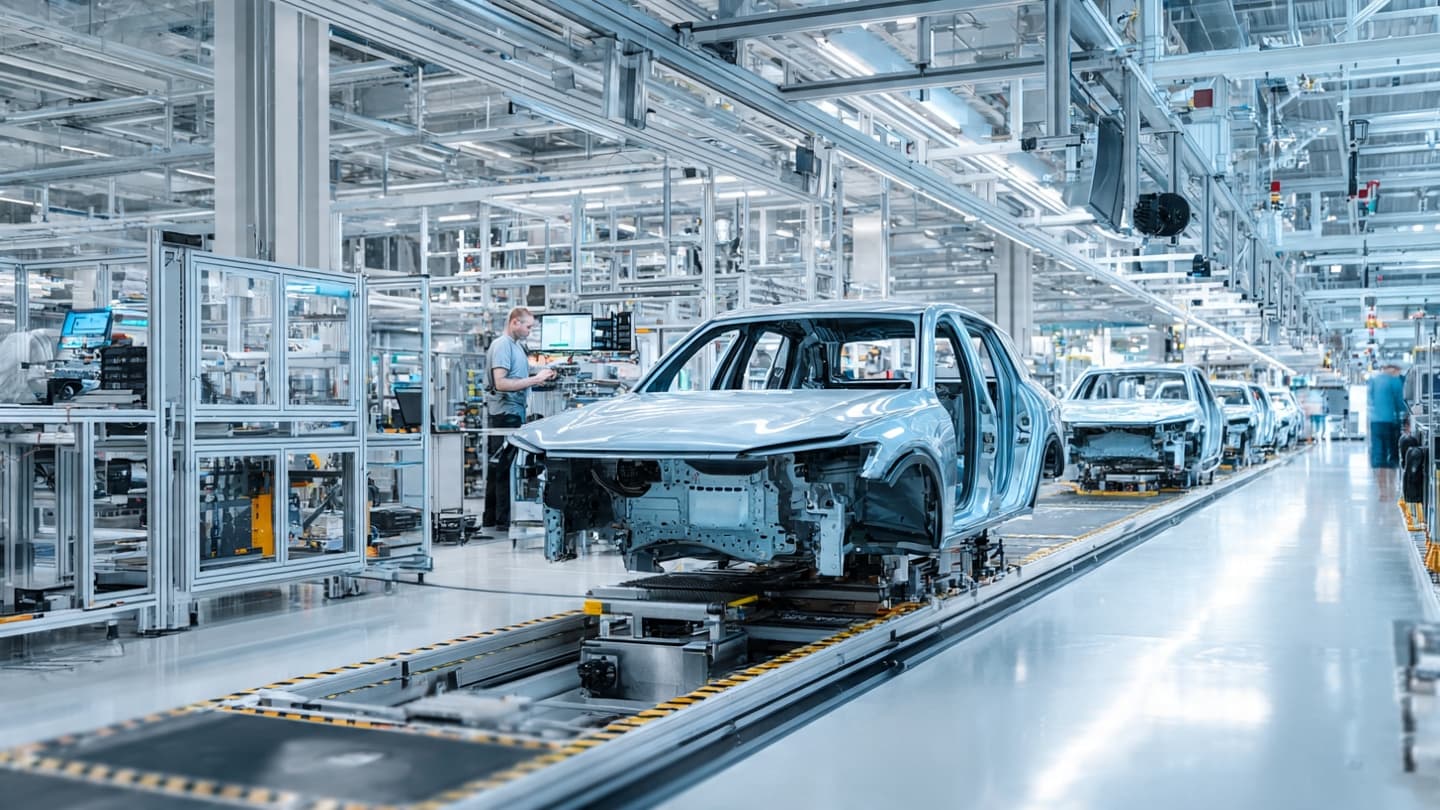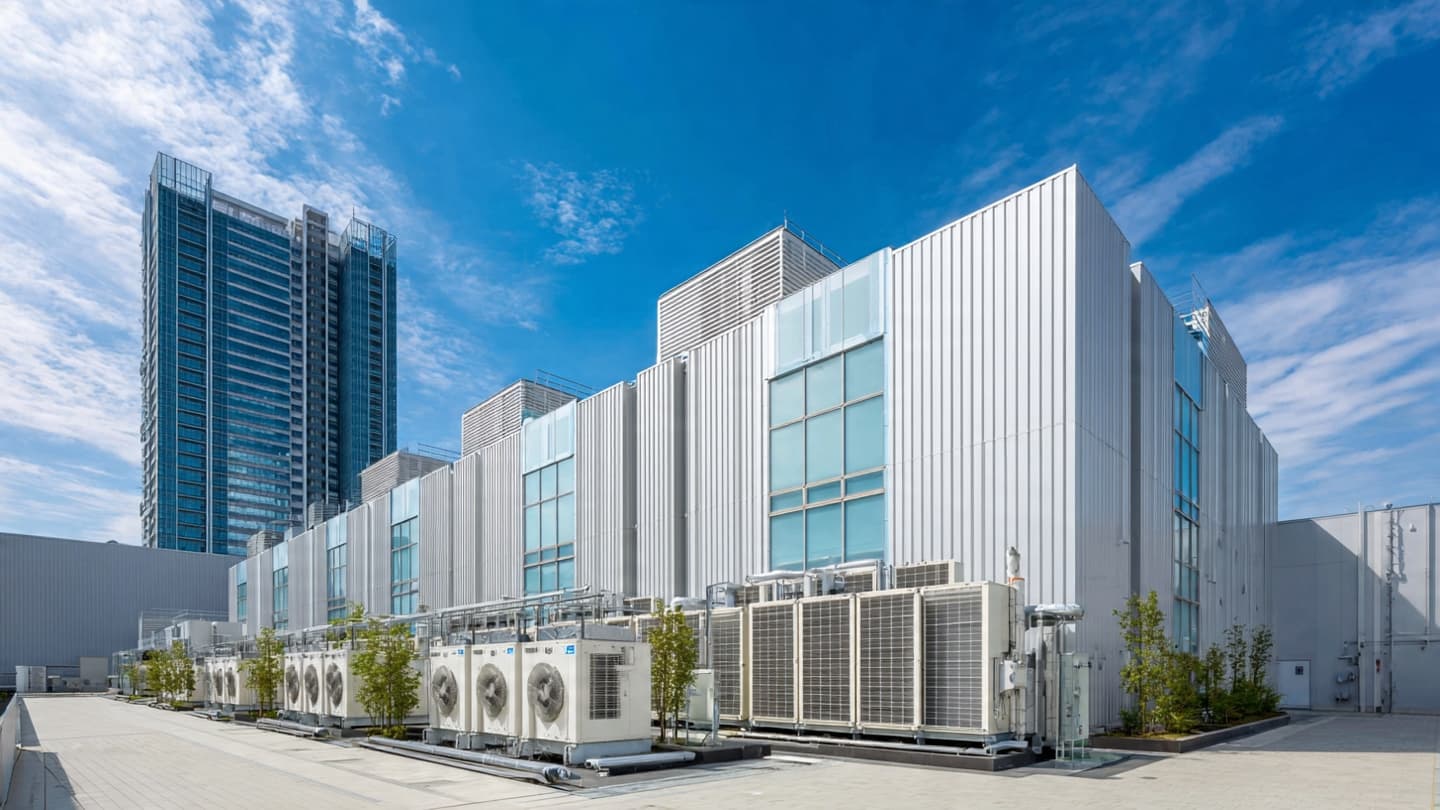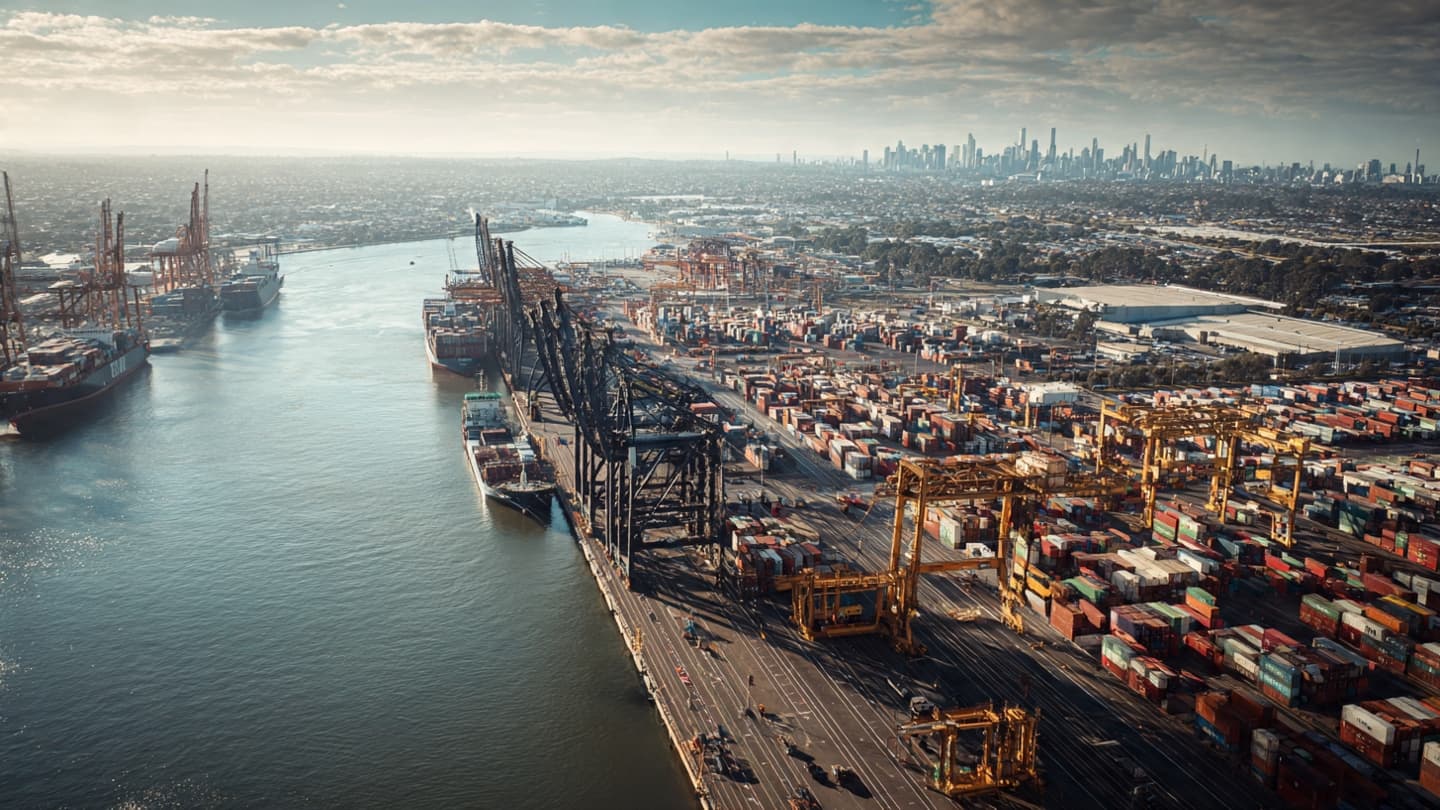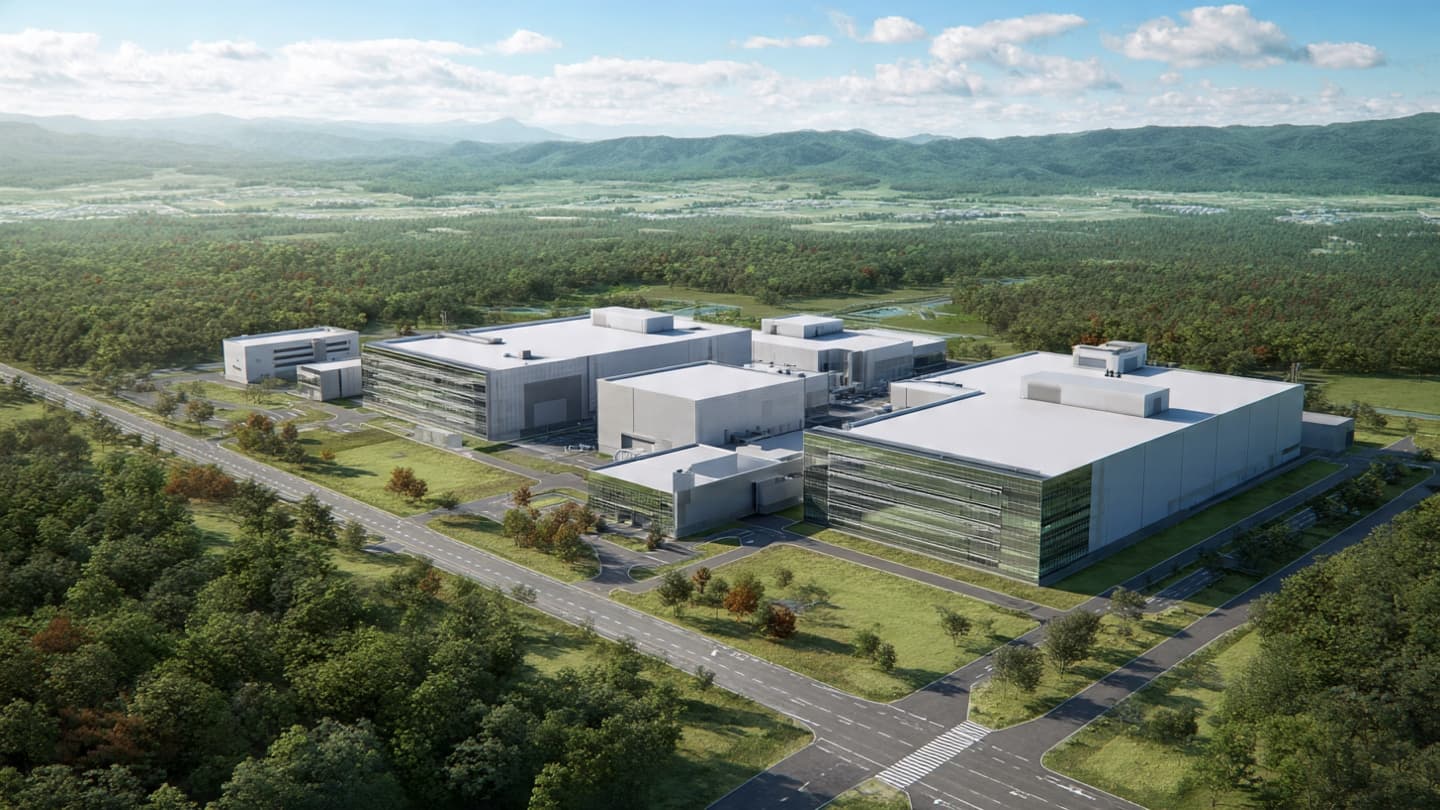
On the northern island of Hokkaido, a new industrial landscape is beginning to emerge. Roads and construction sites surround facilities designed for one of the smallest objects in modern industry: the semiconductor. Japan is placing new resources behind an industry that once stood much closer to the center of its economic identity.
The country’s semiconductor strategy has gained momentum through government support and private investment. The objective is not simply to manufacture more chips, but to rebuild advanced production capabilities that can connect Japanese companies to the next generation of computing.
Rapidus is at the center of this effort. The company is developing a semiconductor manufacturing facility in Chitose, Hokkaido, with ambitions to produce advanced logic chips using cutting-edge process technology.
The project comes as countries around the world reconsider the geography of semiconductor production. Chips have become critical to automobiles, telecommunications equipment, consumer electronics, data centers, and artificial intelligence systems.
Japan already possesses important strengths in the industry. Its companies supply semiconductor materials, manufacturing equipment, chemicals, wafers, and precision components used by chipmakers around the world.
That ecosystem can provide a foundation for domestic production. A modern semiconductor factory depends on a large network of specialized suppliers capable of maintaining extraordinarily high levels of precision and quality.
Artificial intelligence is adding urgency to the investment cycle. Advanced AI models require powerful processors and large data centers, increasing demand for high-performance computing hardware.
Japan is also working with international partners. Collaboration with IBM has been part of Rapidus’s effort to develop advanced semiconductor technology, connecting Japan’s industrial resources with expertise from outside the country.
The economic implications can extend into regional development. Semiconductor facilities require engineers, construction workers, technicians, electricity suppliers, logistics companies, and specialized service providers, potentially creating a broader industrial cluster around the main plant.
Yet semiconductor manufacturing is among the most expensive and technically demanding forms of industrial production. Success depends on achieving high yields, attracting skilled workers, securing customers, and maintaining technological competitiveness over time.
Japan’s semiconductor revival is therefore a long-term project rather than a single factory opening. The facilities rising today are intended to reconnect the country with a technology supply chain that has become increasingly important to the global economy.
AI IMAGE DISCLAIMER
These visuals were generated with AI tools and are conceptual representations of Japan’s semiconductor development, not photographs of actual facilities.
SOURCES
Reuters Rapidus Japan Ministry of Economy, Trade and Industry IBM
Published by Banx Network. This article is part of the Banx decentralized media programme, powered by the BXE token on the XRP Ledger.