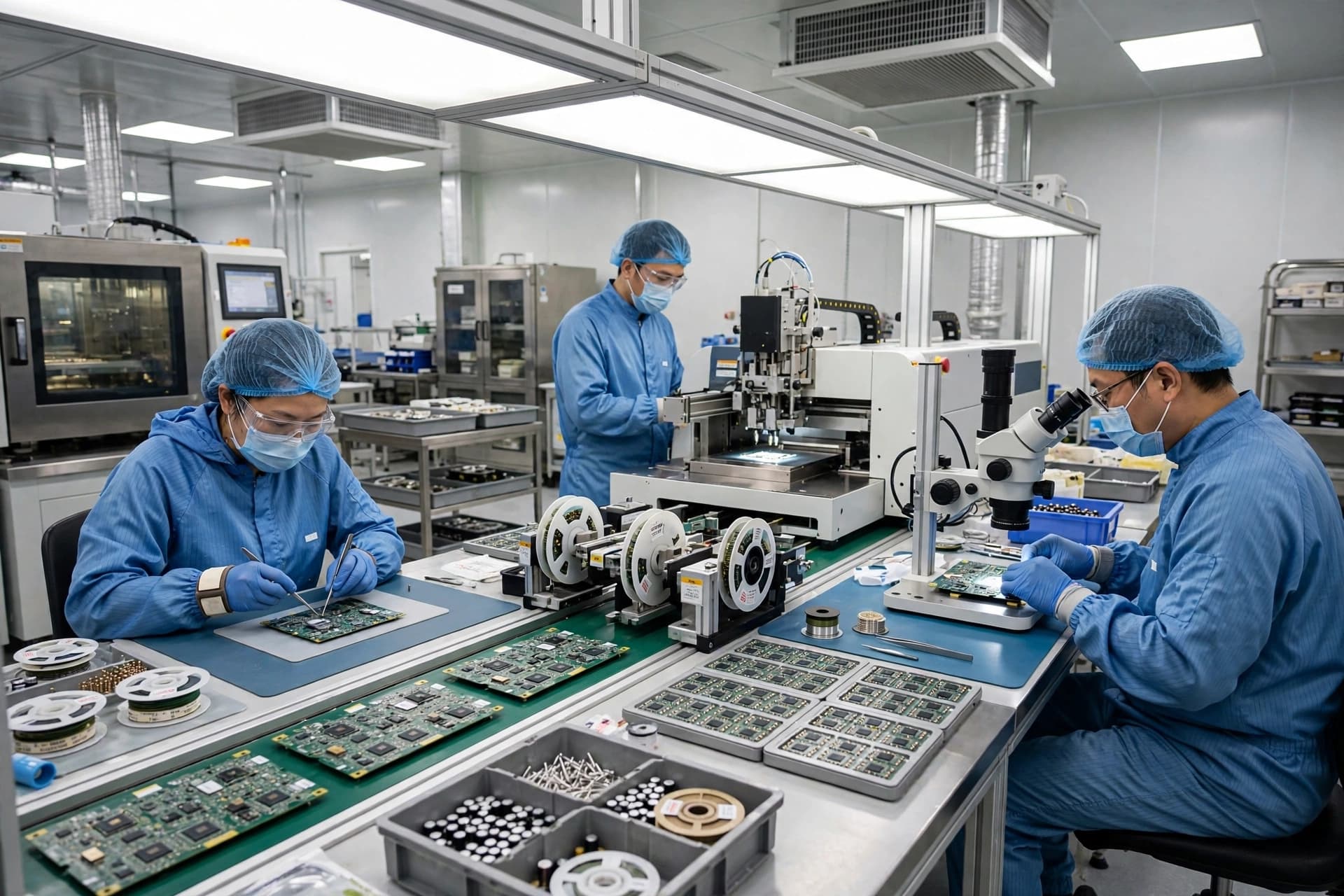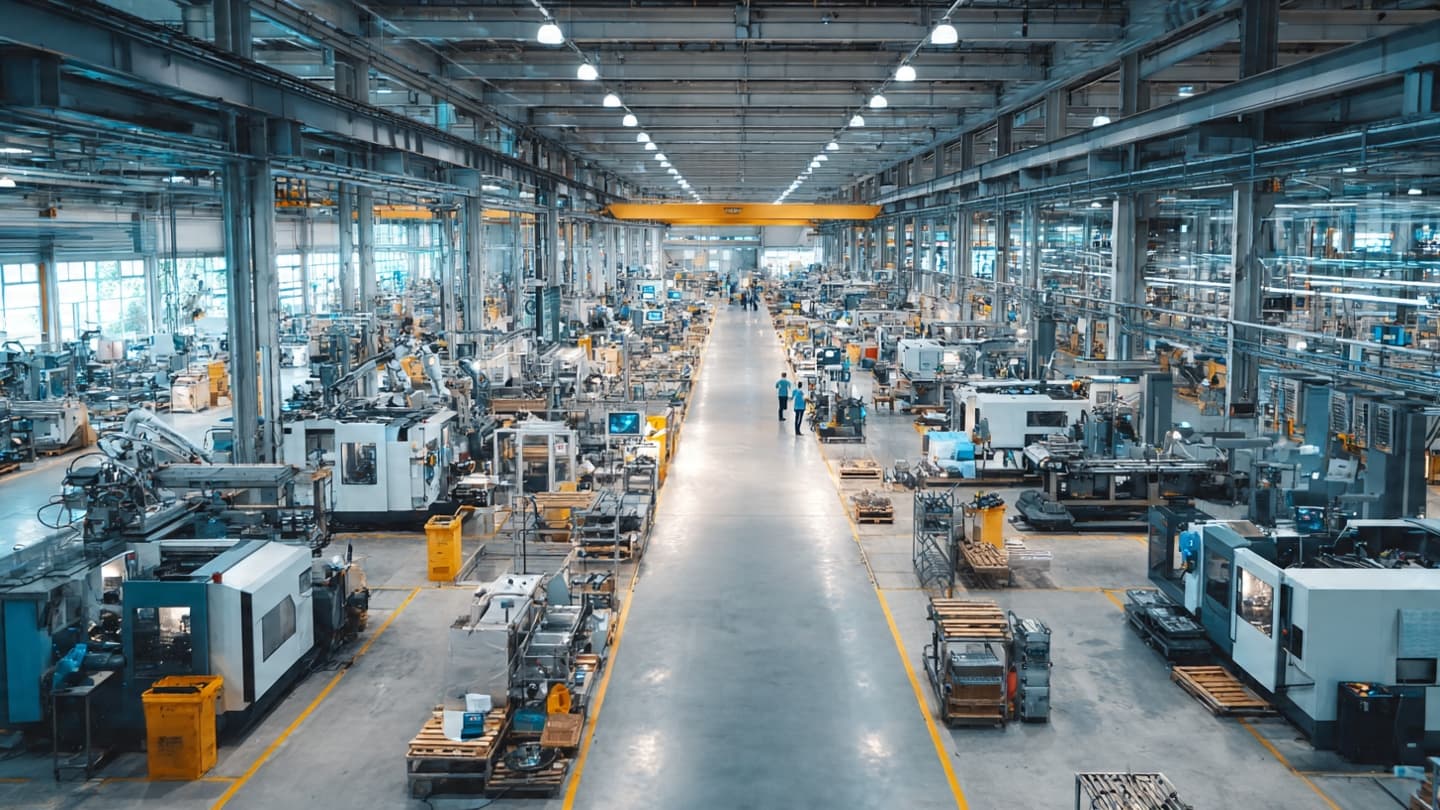
There are moments in every industrial economy when the sound of production seems to soften, not suddenly, but gradually, like a river meeting a quieter stretch of land. Across France, July brought one of those moments. The nation's manufacturing sector, long regarded as an important pillar of economic activity, slipped back into contraction as new orders weakened, reminding businesses and investors that recovery rarely follows a perfectly straight path.
The latest manufacturing data suggested that factory activity slowed after showing signs of resilience earlier in the year. Companies reported fewer incoming orders, while demand from both domestic and international markets appeared less vigorous than many businesses had anticipated. Although production continued in many sectors, the pace reflected a more cautious environment.
Behind the numbers lies a broader story about global economic conditions. Manufacturers across Europe have been navigating an environment shaped by shifting consumer behavior, elevated borrowing costs, and uncertainty surrounding international trade. French companies, despite their experience and adaptability, are not isolated from these wider currents moving through the global economy.
Many firms indicated that customers were becoming more selective in their purchasing decisions. Businesses that once placed large orders are now reviewing inventories more carefully and delaying commitments where possible. Such caution has become increasingly common across manufacturing supply chains, creating a slower rhythm for production planning.
Export-oriented industries have also felt the impact. Demand from some international markets has moderated as economic growth varies between regions. For French manufacturers that depend on overseas customers, even modest changes in global demand can influence production schedules, hiring decisions, and investment plans.
Despite the contraction, the picture is not entirely pessimistic. Many companies continue to invest in automation, digital technologies, and efficiency improvements. These investments reflect a longer-term perspective, with businesses preparing themselves for future opportunities rather than focusing solely on short-term fluctuations.
Industry observers note that manufacturing cycles often move through periods of expansion and contraction. Temporary weakness in orders does not necessarily indicate structural decline. Instead, it may reflect a period of adjustment as companies respond to changing market conditions and evolving customer expectations.
Meanwhile, policymakers and economists continue to monitor indicators closely. Manufacturing remains an important contributor to employment, exports, and innovation in France. Any sustained slowdown would attract attention from both public institutions and private-sector leaders seeking to support economic momentum.
For now, the latest data suggests a sector navigating a more challenging phase. Production continues, factories remain active, and businesses are adapting to current realities. Yet the quieter flow of new orders serves as a reminder that economic confidence is often built gradually, one contract, one shipment, and one investment decision at a time.
As July's figures settle into the broader economic record, the message remains measured rather than alarming. French manufacturing has entered a softer period, but companies continue adjusting strategies while watching demand patterns closely. The months ahead will help determine whether this contraction proves temporary or becomes part of a longer industrial trend.
AI Image Disclaimer Visuals are created with AI tools and are not real photographs.
Source Check Credible sources available for this topic:
Reuters S&P Global Market Intelligence Financial Times Bloomberg The Wall Street Journal
Published by Banx Network. This article is part of the Banx decentralized media programme, powered by the BXE token on the XRP Ledger.