In the quiet of a winter morning, where thoughts often drift between what is and what could be, the tech world has stirred with a whisper of change. Imagine an old friendship gently rekindled, not with fanfare, but with careful steps and hopeful glances — that, in a way, describes the renewed speculation around Apple and Intel. Long estranged in their deepest silicon bonds, these two giants may be poised for a new chapter together, one that would see Apple entrusting parts of its most iconic device — the iPhone — to Intel’s chipmaking hands once again.
At the heart of this quiet murmur is a research note from analyst Jeff Pu of GF Securities, who reiterates that Intel is expected to begin manufacturing selected chips for Apple’s future iPhone models as early as 2028. The focus, for now, would be on non-Pro iPhone chips — not the high-end silicon that powers flagship models but the essential systems that keep Apple’s mainstream products humming.
This possible shift carries a poetic resonance. Once, Intel’s processors were the arteries of Apple’s Macs. That era ended as Apple’s designers began to chart their own course with custom silicon, revered for its performance and energy efficiency. But now, as the demand for advanced semiconductors swells across industries — from smartphones to AI servers — Apple finds itself navigating still waters of supply pressure.
The relationship with Taiwan Semiconductor Manufacturing Company (TSMC), Apple’s chief chipmaker for years, remains strong and central. Yet the tantalizing possibility of diversifying production — spreading trust across another foundry — reflects broader strategic thinking. It is not a return to the old design partnership, where Intel’s engineers shaped the chip’s brain; rather, Apple’s own designs would be crafted in Cupertino and then physically brought to life at Intel’s facilities using its future 14A process technology.
Some industry observers see this as a prudent step in a world where capacity competition is fierce. Apple is contending with swelling demand from other tech giants for cutting-edge manufacturing slots, especially at TSMC’s most advanced nodes. Opening the door to Intel’s foundry services might offer breathing room and flexibility, a measure of insurance in an unpredictable terrain.
Yet this unfolding story is also quietly layered with nuance. Intel’s own foundry business is evolving after years of reinvention. The company is pushing forward new process technologies and courting external customers, hoping to demonstrate its ability to deliver advanced semiconductor manufacturing at scale. In this context, Apple’s potential engagement is not just a supply decision — it becomes a subtle affirmation of Intel’s progress and capability.
For Apple, the renewed collaboration does not erase the lessons of the past. It acknowledges them: the brilliance of owning silicon design, the discipline in supply chain stewardship, and the value of thoughtful diversification. If this reported path toward Intel’s involvement bears fruit, it will likely unfold gradually, first in niche corners of the iPhone lineup and perhaps later in other devices.
In the soft glow of speculation, then, we see not abrupt upheaval but a gentle recalibration — a company seeking balance in complexity, a foundry rising to renewed relevance, and a tech landscape where collaboration can bloom anew from roots both old and reimagined.
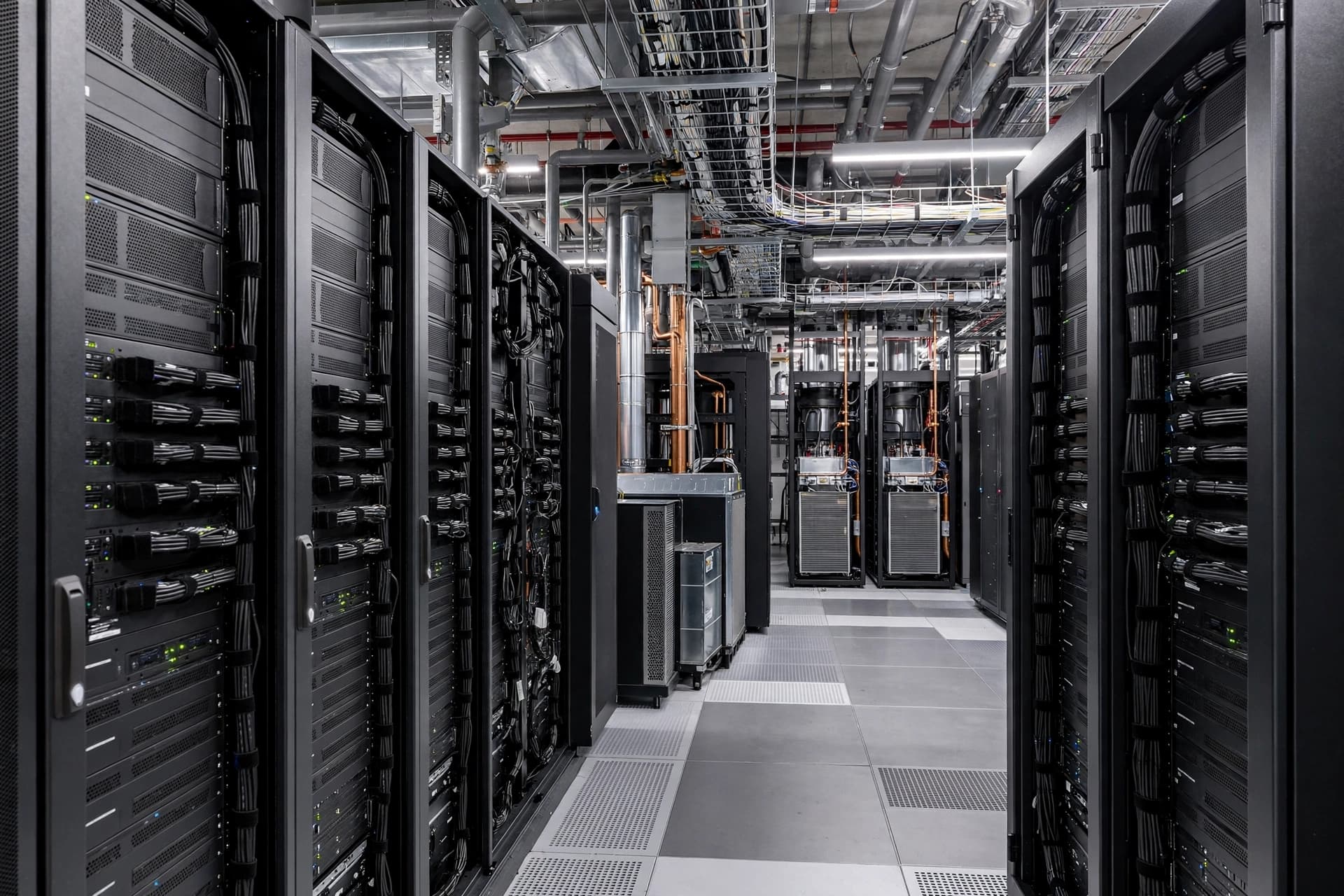
AI Image Disclaimer (Rotated Wording) Visuals are created with AI tools and are not real photographs, intended for concept representation only.
Sources used for this article:
• Reuters
• Financial Times
• Bloomberg (industry/minority references)
• Yahoo Finance
• MacRumors / 9to5Mac
Published by Banx Network. This article is part of the Banx decentralized media programme, powered by the BXE token on the XRP Ledger.