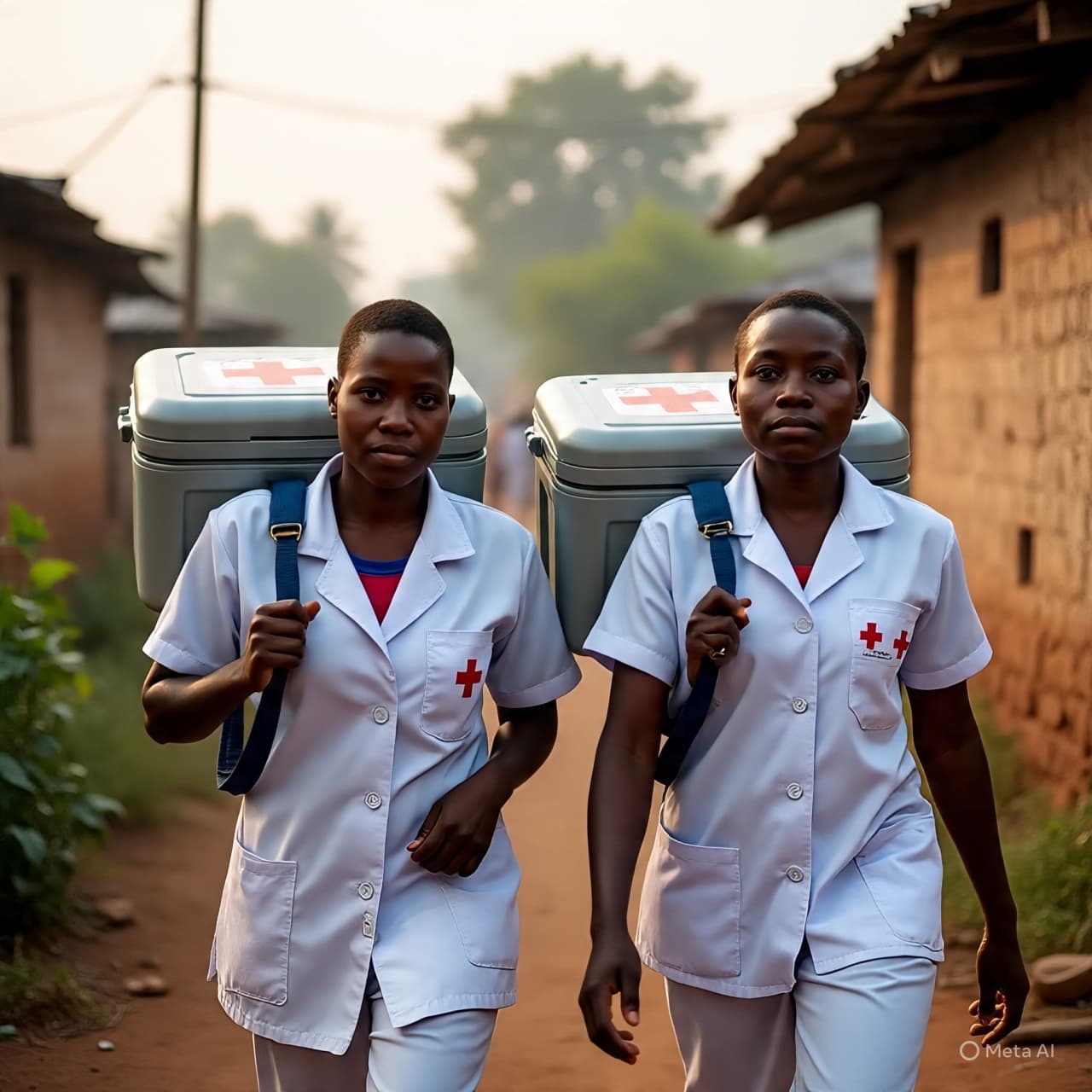
In places where clean water cannot be taken for granted, prevention often arrives before certainty. A cooler opens, vials are counted, and health workers move village to village with the quiet urgency of people who know that timing matters. This week, that work resumed in earnest as preventive cholera vaccination campaigns restarted, following a long pause driven by scarcity.
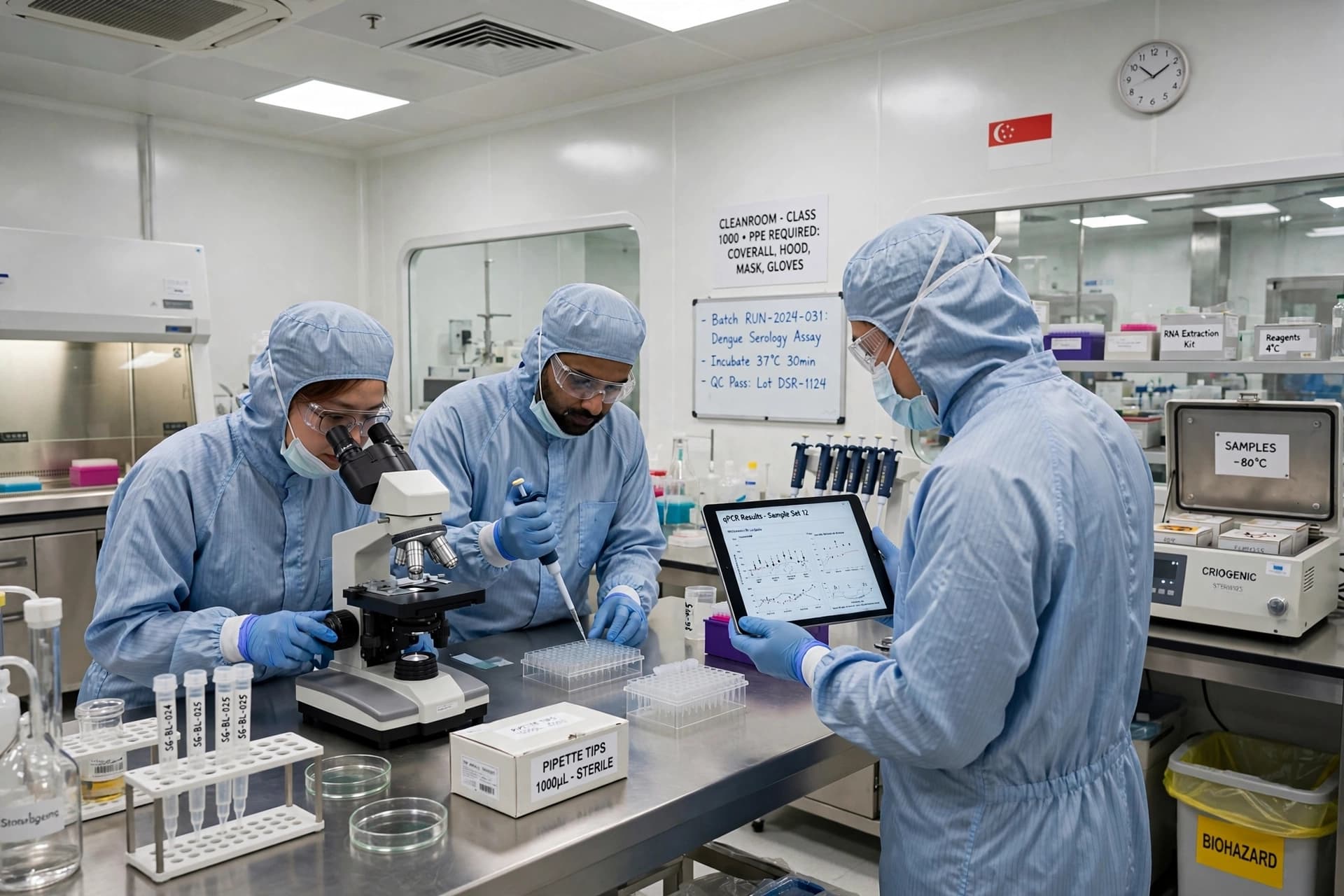
Global health agencies say the worldwide supply of oral cholera vaccines has reached a critical milestone, allowing doses once reserved only for emergency outbreaks to be used again for prevention. For months, shortages forced officials to make hard choices—prioritizing reactive responses after cases surged, while preventive campaigns were delayed or scaled back. The renewed availability does not signal abundance, but it marks a turning point from triage toward foresight.
Cholera thrives where infrastructure falters. It follows floods, conflict, displacement, and heat, exploiting breaks in sanitation systems and the absence of safe drinking water. Vaccines do not replace clean water or long-term investment, but they buy time. They lower transmission, reduce deaths, and soften the sharpest edges of outbreaks before they crest.
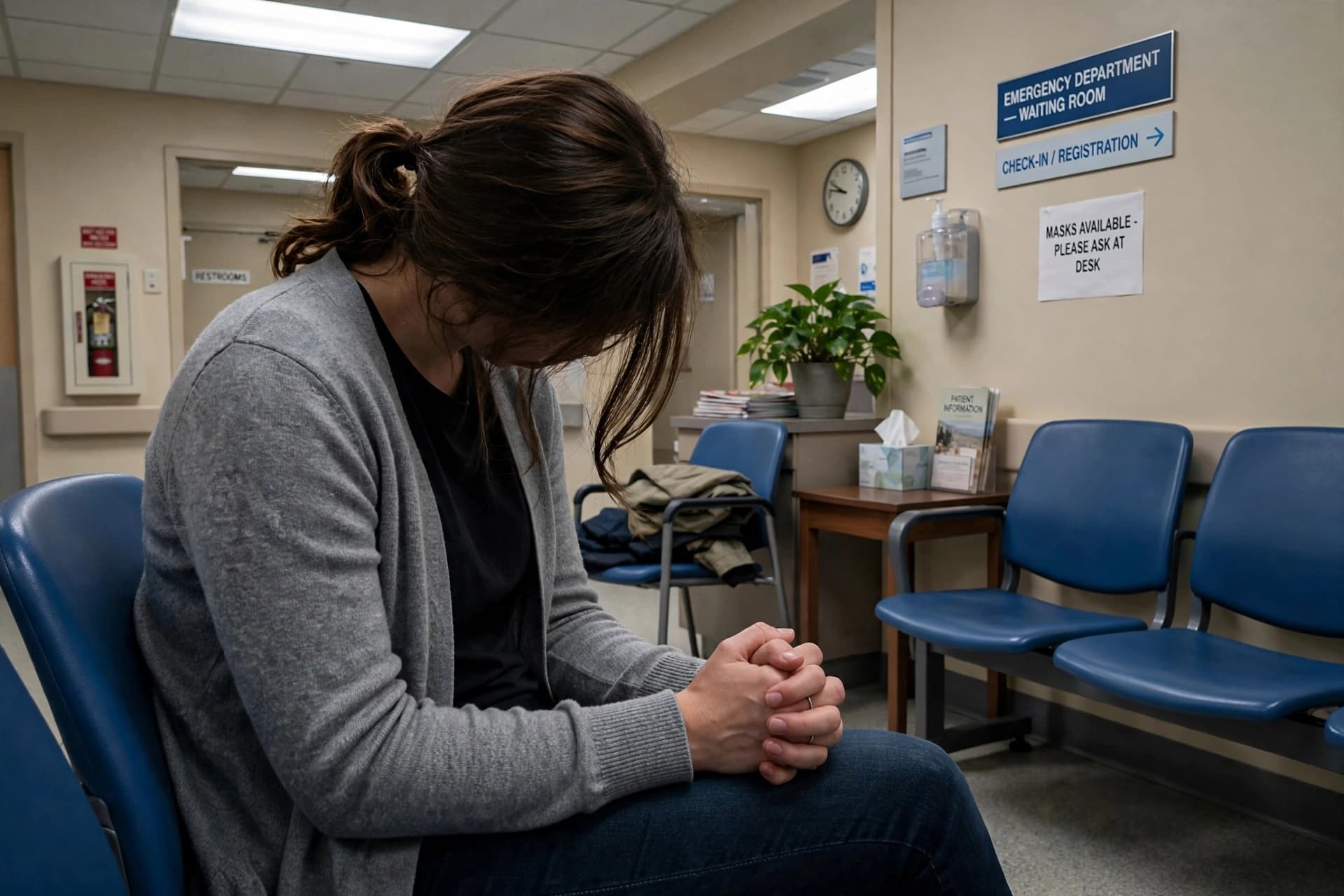
The pause in preventive vaccination left many high-risk communities exposed. Without the buffer of immunity, health systems waited for the first cases to appear before acting, often already behind the curve. Resuming prevention means returning to a quieter form of protection—one that works best when it is least visible.
Officials caution that the global stockpile remains fragile. Demand continues to rise as climate extremes intensify and cholera spreads into new regions. The milestone reflects expanded manufacturing and coordination, but it does not erase the imbalance between need and supply. Choices will still be made. Some areas will wait longer than others.
What has changed is posture. Preventive campaigns acknowledge that outbreaks are not surprises, but patterns. They recognize that protection should not depend solely on crisis, and that communities living with chronic risk deserve more than emergency response.
As vaccination resumes, the work returns to its familiar rhythm: mapping, outreach, consent, and trust. It is slow, human labor against a fast-moving disease. Success will not make headlines the way an outbreak does. It will be measured in absences—of illness, of funerals, of urgent alerts.
In global health, progress is often incremental and easily undone. But for now, the resumption of preventive cholera vaccination suggests a small widening of the future, one dose at a time, before the water turns dangerous again.
AI Image Disclaimer Illustrations were created using AI tools and are not real photographs.
Sources World Health Organization UNICEF Gavi, the Vaccine Alliance International Federation of Red Cross and Red Crescent Societies
Published by Banx Network. This article is part of the Banx decentralized media programme, powered by the BXE token on the XRP Ledger.

.jpg&w=3840&q=75 "Qantas Grounds Plane After Passengers Report Bedbug Bites")