Some scientific pursuits move quickly, sparked and solved within a generation. Others unfold like long winter evenings — patient, deliberate, stretching across decades. For half a century, chemists have pursued a molecule many believed could not exist: a silicon-based aromatic compound stable enough to stand on its own. It was a question that lingered quietly in laboratories and lecture halls — could silicon, the elemental cousin of carbon, ever mimic one of chemistry’s most elegant structures?
Aromaticity is one of chemistry’s subtle harmonies. In familiar carbon-based compounds such as benzene, electrons circulate in a stable ring, creating a balance that lends unusual resilience and symmetry. This property underpins much of organic chemistry and, by extension, modern materials and pharmaceuticals. Silicon, though it sits just beneath carbon on the periodic table, has long resisted forming similar stable aromatic rings. Its larger atomic size and different bonding preferences appeared to disrupt the delicate electron sharing required.
For decades, attempts to coax silicon into aromatic behavior led to fleeting intermediates or unstable structures that collapsed almost as quickly as they formed. Theoretical chemists debated whether true silicon aromaticity was fundamentally impossible or simply beyond the reach of existing synthetic tools. The challenge became something of a quiet legend — a molecular summit visible in theory but unreachable in practice.
Now, researchers report that the summit has been reached. After 50 years of incremental advances in synthetic strategy and molecular stabilization, a team has successfully created a stable silicon-based aromatic compound once thought unattainable. Their findings, published in , describe a ring structure in which silicon atoms participate in a delocalized electron system analogous to carbon aromatics.
The breakthrough did not arrive through force but through finesse. Scientists employed carefully designed substituent groups — molecular frameworks that shield and stabilize reactive silicon centers — allowing the ring to persist long enough for detailed characterization. Advanced spectroscopic techniques confirmed that electrons in the silicon ring exhibit the hallmarks of aromaticity, including delocalization and magnetic behavior consistent with theoretical predictions.
In essence, the team demonstrated that silicon can, under the right conditions, share in the elegant electron choreography once believed exclusive to carbon. The molecule’s stability challenges long-standing assumptions about periodic trends and opens a door to new classes of silicon-based materials.
The implications extend beyond a single compound. Aromatic systems often possess unique electronic and optical properties. If silicon analogs can now be synthesized reliably, they may lead to innovations in semiconductor chemistry, materials science, and molecular electronics. Silicon already forms the backbone of modern computing infrastructure; expanding its chemical versatility may one day bridge organic and inorganic design in unexpected ways.
Yet perhaps the most striking element of the achievement is its patience. This was not a sudden leap but the culmination of 50 years of theoretical refinement, experimental setbacks, and incremental progress. Each attempt, even unsuccessful ones, narrowed the gap between speculation and synthesis.
The researchers emphasize that while this accomplishment marks a milestone, it also opens new questions. How broadly can silicon aromaticity be extended? Are larger or more complex ring systems possible? And what new behaviors might emerge from combining silicon aromatic frameworks with traditional carbon systems?
For now, chemists have verified what many once doubted: silicon can sustain aromatic character under carefully engineered conditions. The half-century quest has reached a meaningful conclusion, not with fanfare but with data — and with a new molecule that quietly reshapes the boundaries of chemical possibility.
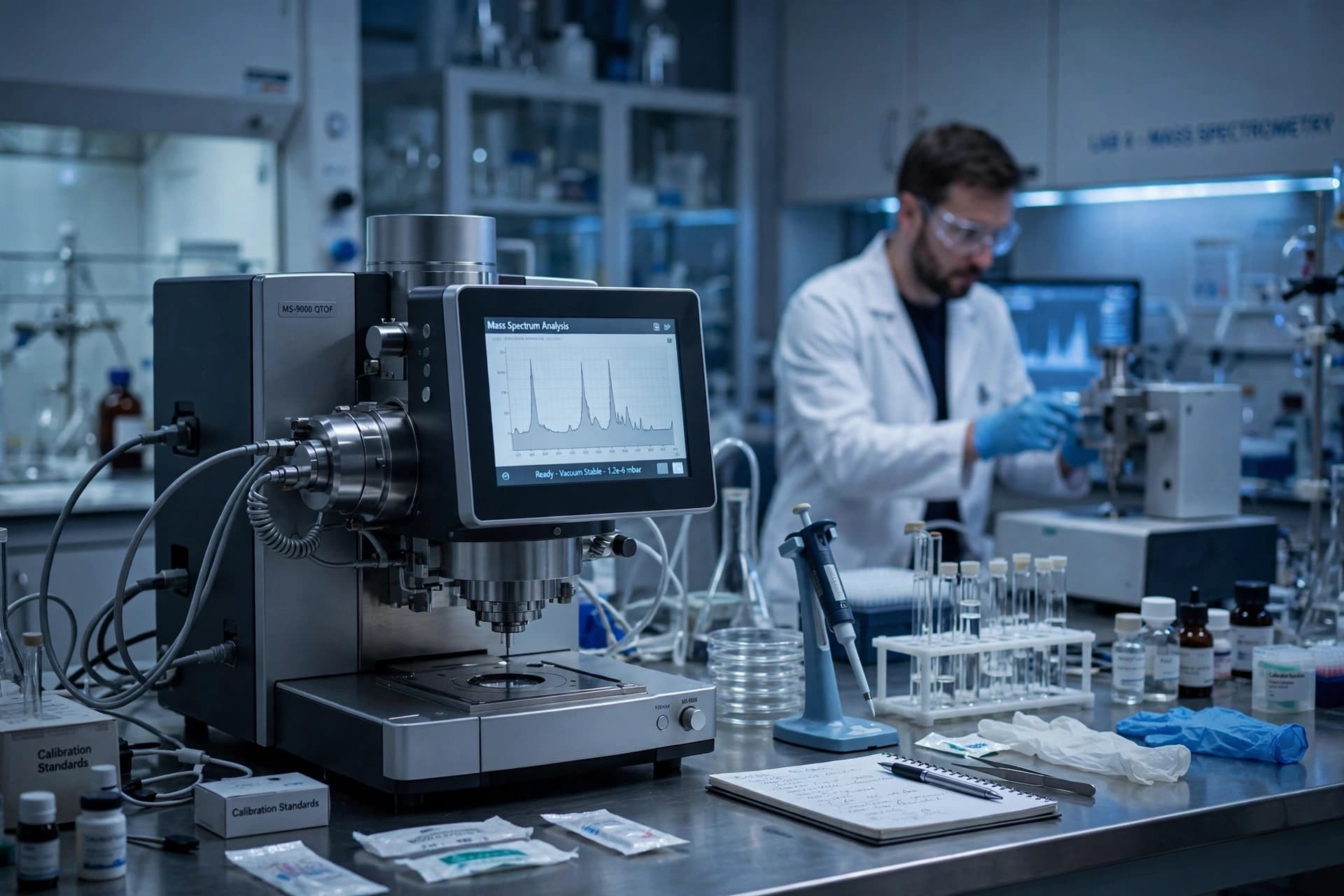
AI Image Disclaimer Graphics are AI-generated and intended for representation, not reality.
Sources Phys.org ScienceDaily Chemistry World New Scientist Nature
Published by Banx Network. This article is part of the Banx decentralized media programme, powered by the BXE token on the XRP Ledger.