There is a particular tension that gathers around a decision delayed, a sense that whatever is finally announced will satisfy no one completely and disappoint many thoroughly. For more than a year, the Jackdaw gas field has sat in a kind of administrative purgatory, its fate caught between the climate commitments of a government that promised no new oil and gas licenses and the energy security anxieties of a nation still navigating the aftershocks of a volatile supply chain. On Wednesday, that waiting is expected to end.
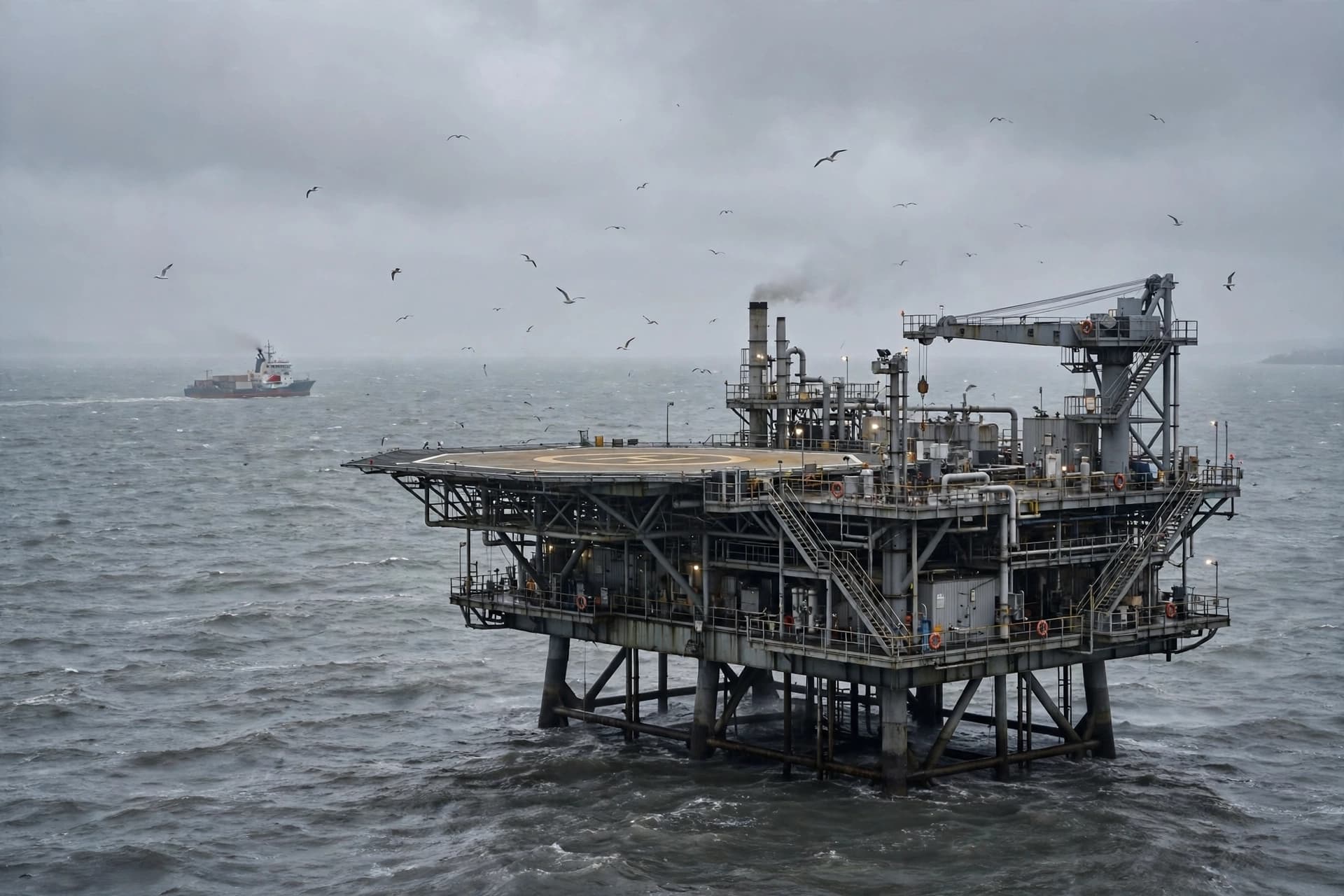
The UK government is set to announce its decision on whether to approve drilling at Jackdaw, a North Sea gas field about 150 miles east of Aberdeen. Multiple Whitehall sources have told the BBC that approval is widely expected, with Energy Secretary Miatta Fahnbulleh addressing MPs on Wednesday afternoon . Bloomberg reported that the announcement is expected Wednesday morning, citing people familiar with the matter . A decision on the larger Rosebank oil field, however, will not be made yet .
The legal path to this moment has been winding. Licenses for Jackdaw and Rosebank were granted by the previous Conservative government in 2022 and 2023, sparking challenges from environmental groups. The Court of Session in Edinburgh ruled last year that both projects had been unlawfully approved because the government had failed to account for the climate impact of burning the extracted fossil fuels . The current government has been forced to reconsider, weighing the projects against its own climate obligations.
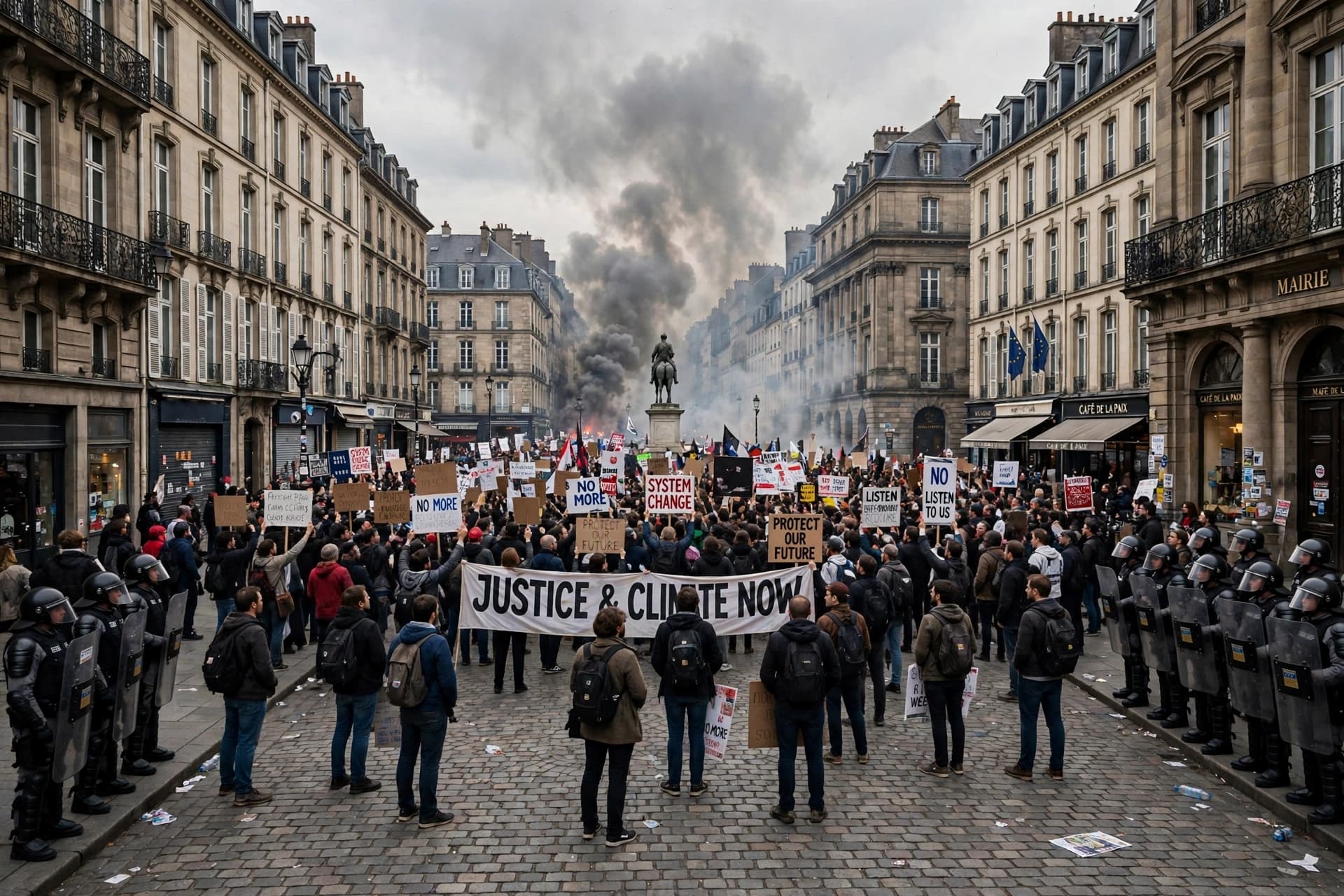
The arguments on either side are not difficult to summarize. Environmentalists insist that more drilling would be unconscionable, that it would hamper efforts to cut emissions as heatwaves and extreme weather intensify, and that transitioning sooner to greener technologies would better support jobs . Industry bodies counter that Jackdaw and Rosebank would provide jobs and improve energy security as overseas conflicts threaten supply. The government has been careful in its public statements, with Scottish Secretary Douglas Alexander saying ministers are being "cautious" to avoid the "mistakes" of their predecessors, whose approvals ended up in court and delayed the whole program .
For the operators, the wait has been costly. The Jackdaw field's steel jacket and topsides were installed in 2023 and 2025, the pipeline was laid in 2024, and drilling was completed early this year . The infrastructure is ready. What is missing is the final consent, the signature that would allow gas to flow to UK homes and businesses. Supporters argue that domestic production carries a lower emissions footprint than importing liquefied natural gas, and that approval would restore confidence in a regulatory system that has struggled to reach predictable outcomes .
There is a political dimension that cannot be separated from the policy one. The Labour government's 2024 manifesto pledged not to issue new oil and gas licenses but to honor existing ones such as Jackdaw . Approving Jackdaw allows the government to keep that distinction intact while signaling a pragmatic approach to energy. Rejecting it would be a bolder climate statement but would invite legal and political challenges of its own.
For now, the announcement is imminent. The Energy Secretary will speak, the decision will be recorded, and the arguments will continue. What the Jackdaw decision represents—a necessary bridge to a cleaner future or a failure of climate resolve—depends on who is speaking. What it is, plainly, is a gas field in the North Sea, waiting for permission to do what it was built to do.
AI Image Disclaimer: The visuals accompanying this article are AI-generated and are intended for illustrative purposes only.
Sources: BBC, Bloomberg, London Evening Standard
Published by Banx Network. This article is part of the Banx decentralized media programme, powered by the BXE token on the XRP Ledger.