There is a particular rhythm to a protest that has become a wave, a sense that what began in one city square has gathered force across borders and is now something larger than any single grievance. Over the weekend, tens of thousands of people flooded the streets of major European cities—Paris, Milan, Lisbon, Brussels—united by a common complaint that has become the defining refrain of the continent's discontent: the cost of living has outpaced the ability to live. From violent clashes in France and Italy to widespread rallies in Portugal, the simultaneous unrest underscores a deepening divide between the rhetoric of a resilient Europe and the reality of daily life for those at the bottom of the income distribution .
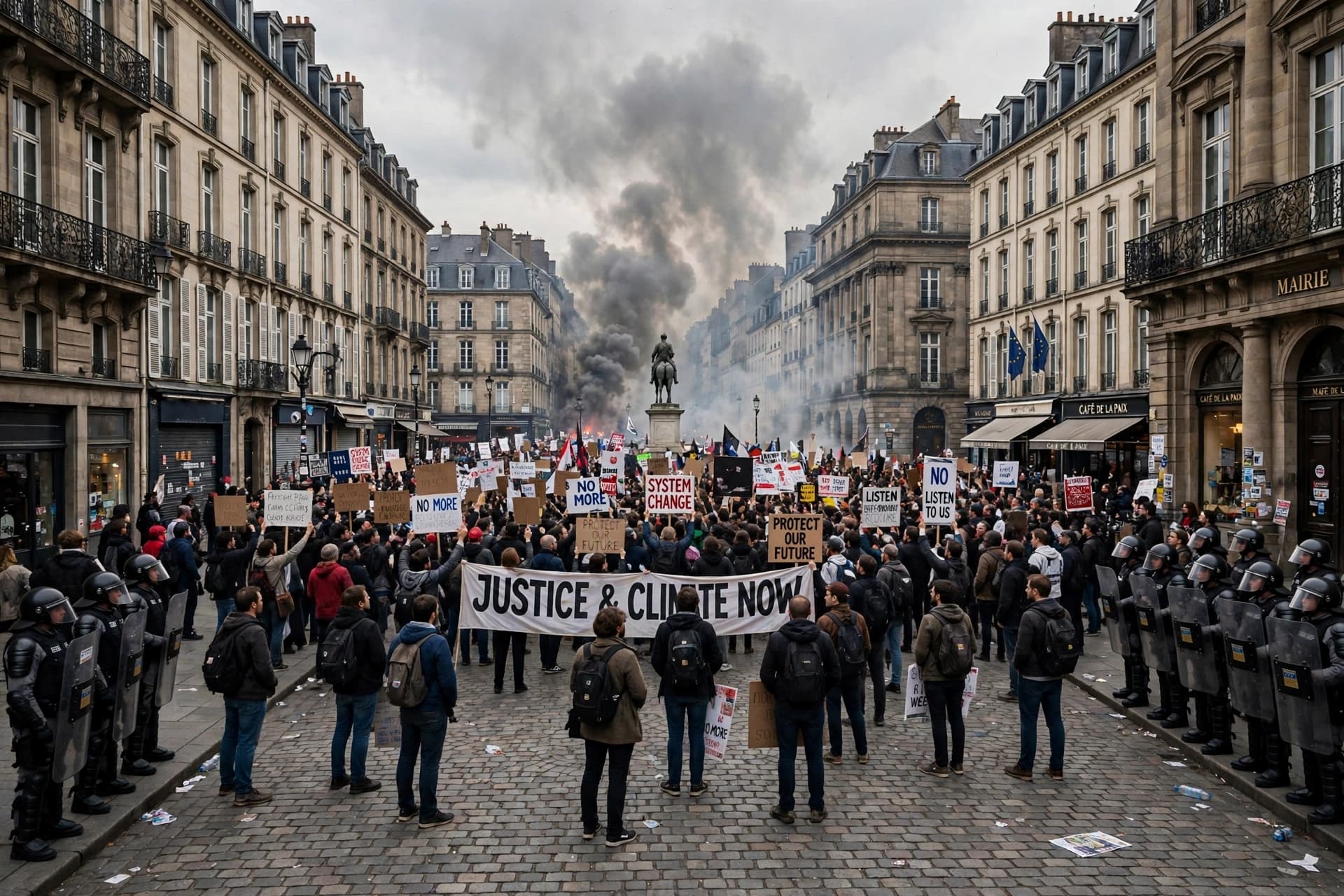
In France, nationwide demonstrations drew an estimated 550,000 participants, according to the government, with organizers claiming 800,000. Farmers, trade unions, climate activists, and students marched together, demanding relief from high fuel prices, inflation, and cuts to public services . The gatherings descended into violence in multiple cities. The French Interior Ministry reported nearly 1,000 police officers and gendarmes injured, seven of them seriously, and 2,397 arrests nationwide . In Paris, vehicles were burned and shops were ransacked. In Lyon, a tourism office was set on fire. In Marseille and Lille, city halls were breached .
Italy saw its own version of the same anger. In Milan, hundreds of black-clad demonstrators besieged Piazza del Duomo, throwing firecrackers and bottles at police. At least four officers and twenty protesters were injured, and about fifty demonstrators were detained . In Bologna, clashes near the train station left around thirty-six law enforcement officers injured . Prime Minister Giorgia Meloni condemned the violence with a directness that has become familiar: "Demonstrating is a right. Setting our cities ablaze is not" .
The grievances behind the unrest are not mysterious. Declining purchasing power, unaffordable housing, high energy prices, and weakening social safety nets are the common threads. Eszter Sandor, a senior research manager at Eurofound, warned that the benefits of macroeconomic stability are failing to reach the bottom half of the income distribution. Unemployed people, low-paid workers, and people with disabilities report the lowest levels of trust in national governments and the legal system. "A gap is opening between the rhetoric of a resilient Europe and the reality of daily life," she said .
There is a political dimension that extends beyond any single policy. In France, the protests arrived as the government faces severe fiscal and economic constraints, reflecting what analysts describe as deeper structural problems in governance . Across the continent, governments are struggling to balance budget deficits with public welfare, and the strain is showing. The unrest in Milan and Paris is not merely about fuel prices or inflation. It is about a sense that the social contract is not being honored, that contribution is not being met with security, and that the people making the decisions do not understand the lives those decisions affect.
For now, the protests have subsided, the arrests have been recorded, and the damaged buildings are being assessed. The underlying conditions have not changed. The cost of living continues to press on households. The trust that has been eroded does not rebuild quickly. What the weekend demonstrated is that the anger is not confined to one country or one issue. It is a shared condition, expressed in different languages and different squares, and it is waiting to see whether anyone is listening.
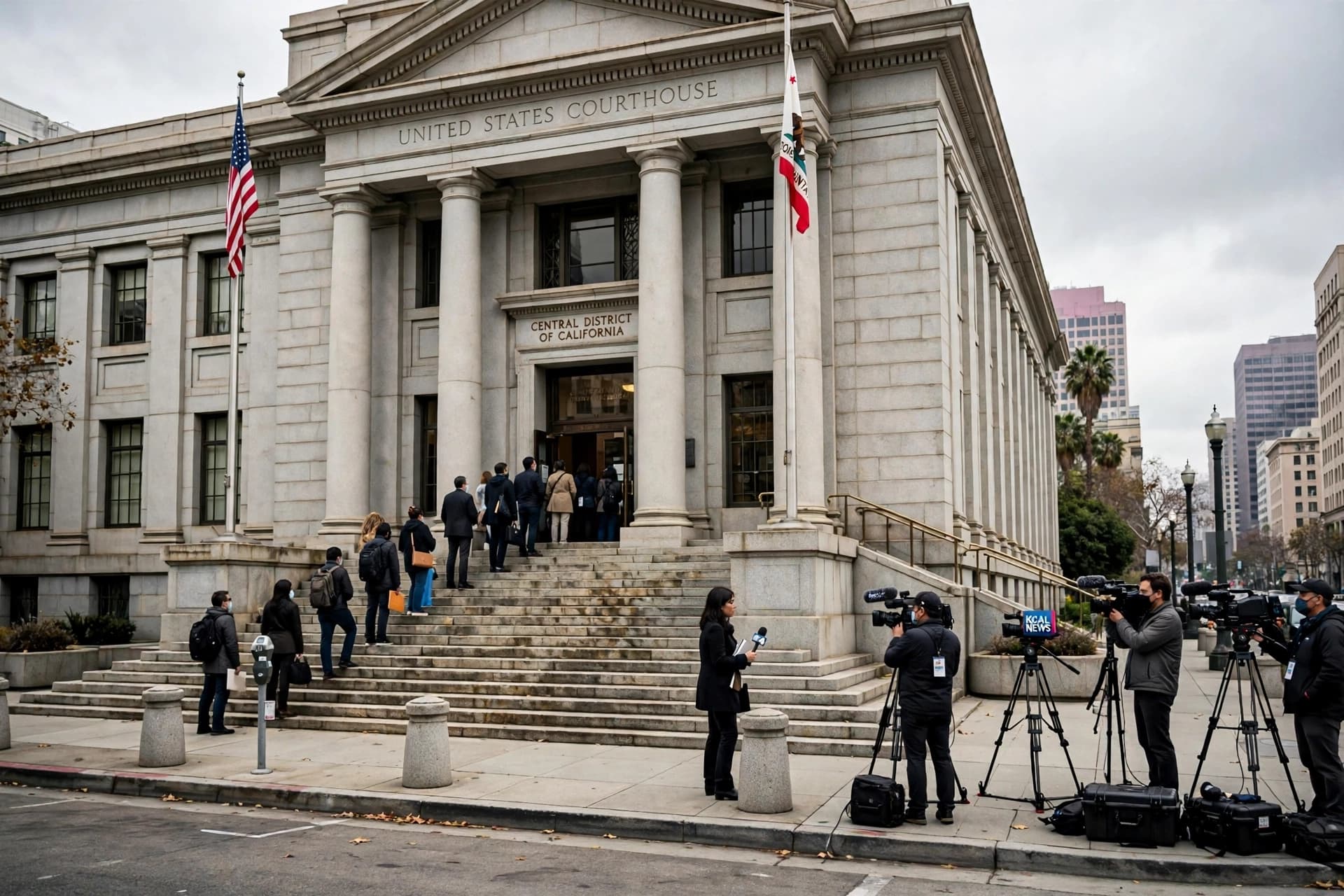
AI Image Disclaimer: The visuals in this article are AI-generated and are intended for illustrative purposes only.
Published by Banx Network. This article is part of the Banx decentralized media programme, powered by the BXE token on the XRP Ledger.