Technology changes most quietly when it changes the skills people carry into their working lives. A new software tool may appear on a screen, but its deeper effect emerges when thousands of workers learn to use it. In Singapore, artificial intelligence is now becoming part of that transformation as professional organizations expand training and AI-fluency programs.
The Singapore Computer Society has launched an AI Skills Pathway designed to help professionals develop practical capabilities for working with artificial intelligence. The initiative comes as Singapore's technology sector continues to expand and employers seek workers who can use AI effectively in different business environments.
The emphasis is not limited to highly specialized AI engineers. Modern workplaces increasingly use AI for data analysis, document processing, software development, customer service and administrative tasks. That creates demand for employees who understand how to work with AI even when developing machine-learning systems is not their primary occupation.
Singapore's Infocomm Media Development Authority is also introducing AI-fluency programs for the legal sector. The effort recognizes that professionals in fields such as law increasingly encounter AI-generated information, automated systems and digital tools as part of their daily work.
The development of AI skills is becoming especially important because technology investment can only produce lasting economic benefits when organizations have people capable of integrating it into their operations. Hardware and software provide the infrastructure, but human expertise determines how those tools are applied.
Singapore has spent years building itself as a regional technology and financial center. Its digital economy therefore requires a workforce capable of operating across multiple sectors, from finance and healthcare to manufacturing, logistics and professional services.
The changing demand for skills also creates opportunities for workers who are willing to learn continuously. AI systems are developing quickly, meaning knowledge that is useful today may need to be updated as tools become more capable and workplace practices evolve.
At the same time, AI fluency involves more than knowing how to operate a particular application. Workers need to understand issues such as data quality, privacy, security, accuracy and the limitations of automated systems.
That broader understanding is particularly relevant in professional fields where decisions can have significant consequences. Training programs aimed at lawyers, government technology specialists and other professionals can help organizations establish more consistent practices around the use of AI.
Singapore's technology sector is already showing signs of expanding demand. The country's efforts to increase digital capabilities have included industry training, professional certification and programs designed to connect workers with emerging technology roles.
The new AI-focused initiatives therefore represent another stage in that longer transformation. Rather than treating artificial intelligence as a technology reserved for specialist teams, Singapore is gradually introducing it into the broader professional workforce.
The result may be a labor market where AI skills become as common as other digital competencies. For Singapore, the immediate task is to ensure that workers and organizations can move through that transition with practical knowledge, adaptable skills and a clear understanding of how the technology fits into everyday professional life.
Image Disclaimer
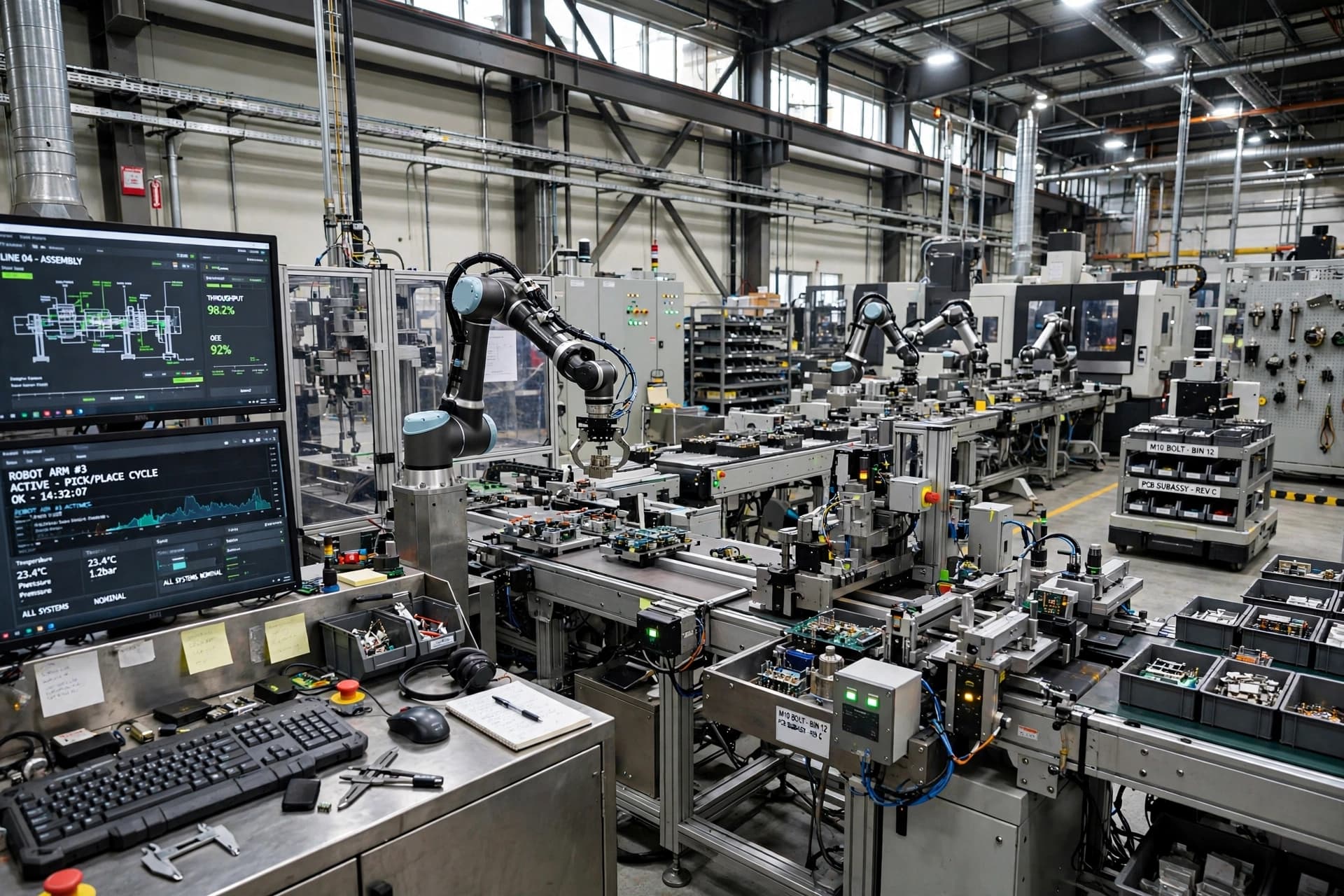
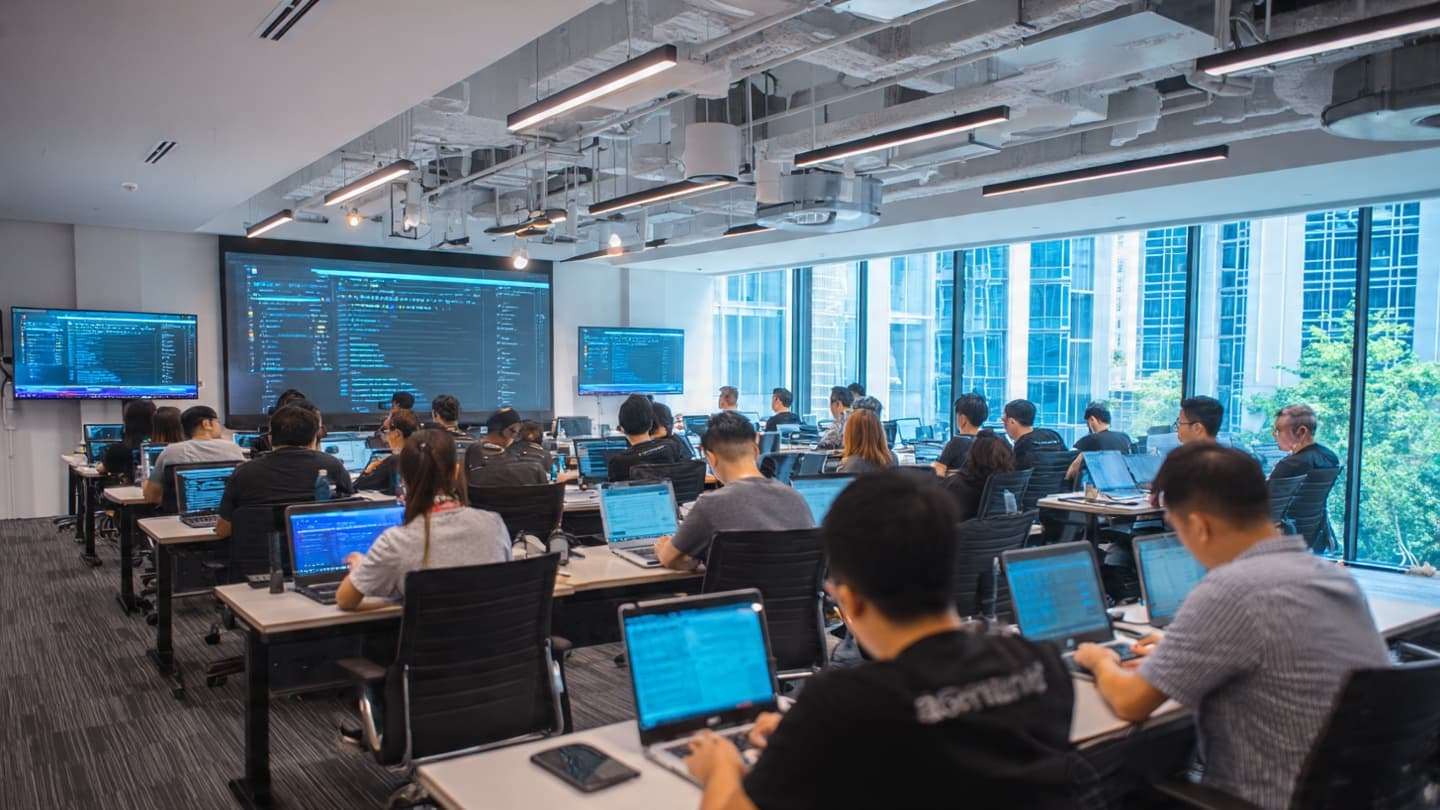
The illustrations were created using AI tools and are conceptual depictions of Singapore's evolving technology workforce, not real photographs.
Sources
The Business Times Singapore Computer Society IMDA Infocomm Media Development Authority SkillsFuture Singapore
Published by Banx Network. This article is part of the Banx decentralized media programme, powered by the BXE token on the XRP Ledger.