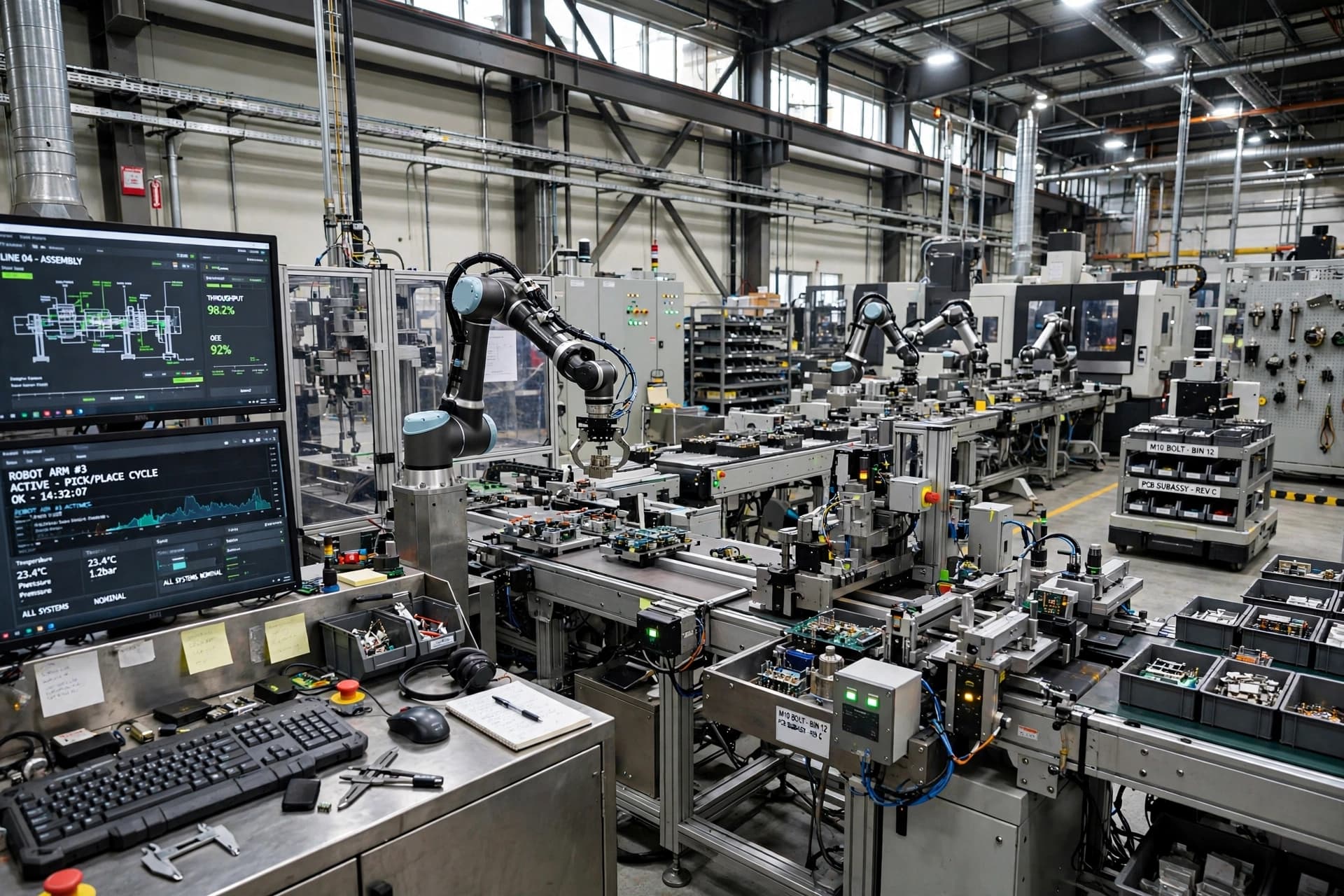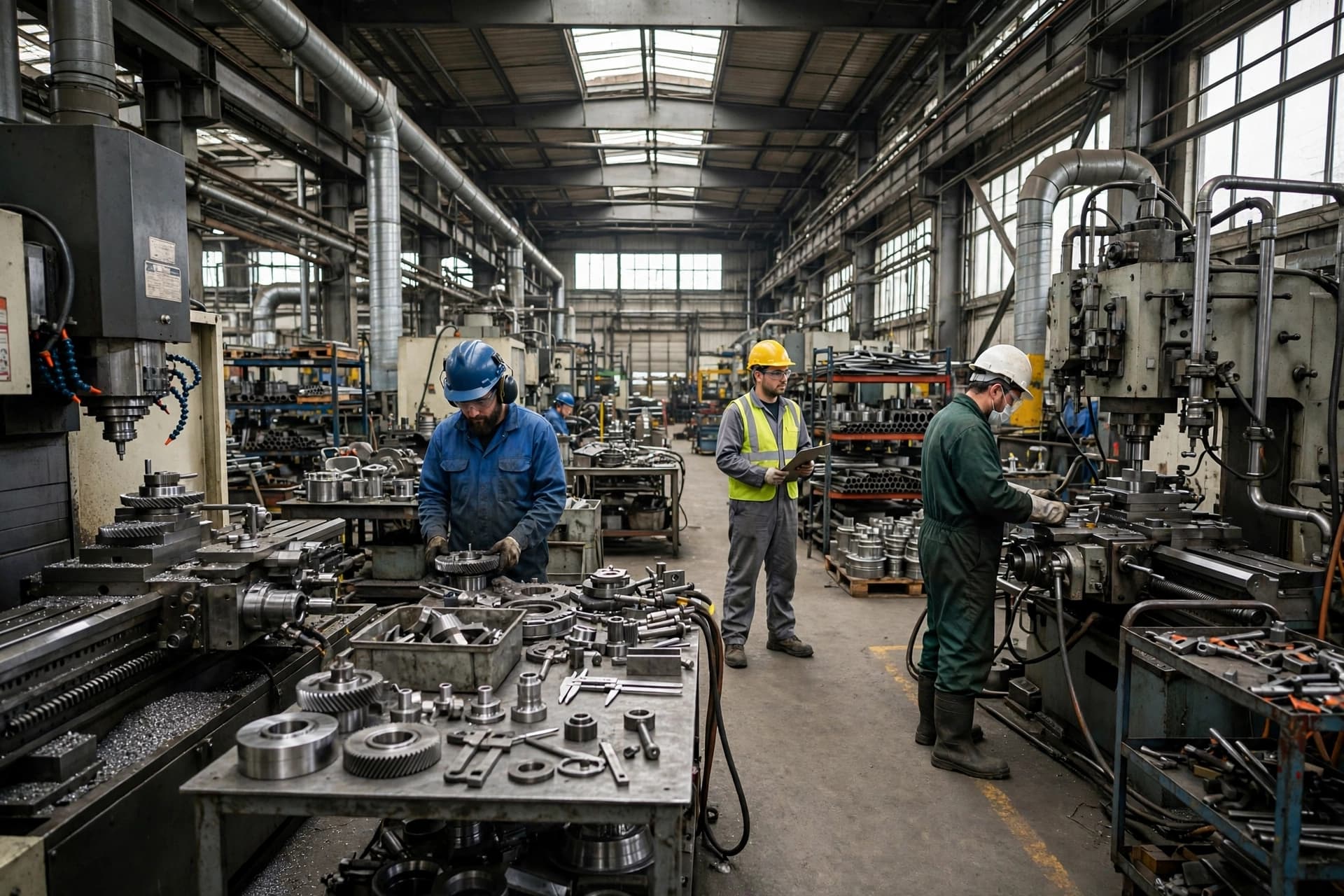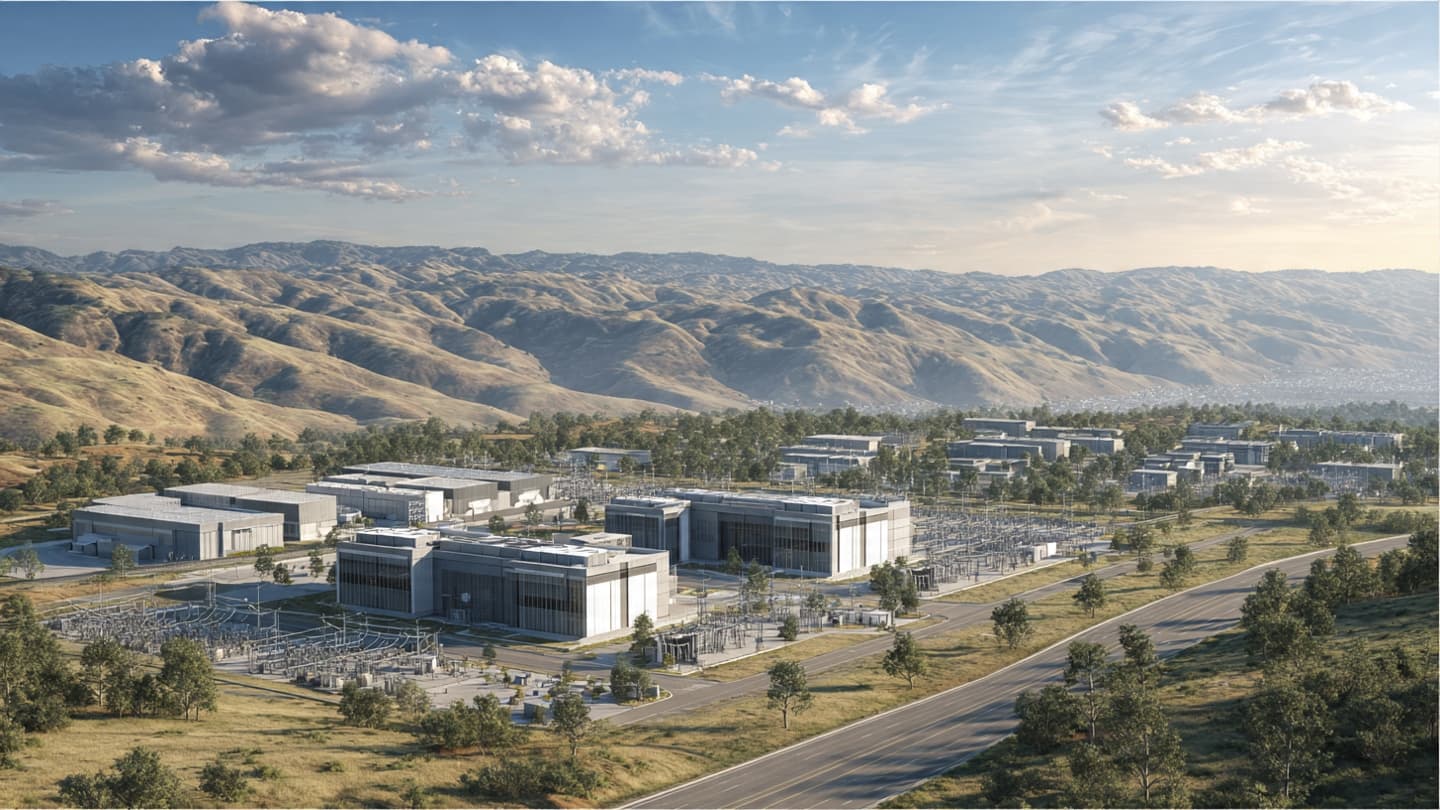
The modern technology boom has acquired a physical weight. Behind every artificial intelligence model are buildings, processors, power lines and cooling systems, all occupying real space and requiring real money. The digital world may appear weightless on a screen, but its foundations are becoming some of the most expensive infrastructure in the global economy.
America’s largest technology companies are increasingly turning to debt markets and equity financing to fund their artificial intelligence and cloud expansion. Reuters reported that the shift marks a change from the industry’s traditional reliance on large internal cash reserves.
Alphabet, Amazon, Microsoft and Meta have continued signaling that spending on artificial intelligence infrastructure will remain substantial. Combined spending by the technology giants is expected to exceed $730 billion this year, according to Reuters, highlighting the extraordinary scale of the current investment cycle.
The money is flowing into more than processors. Data centers require land, buildings, electrical connections, backup systems and sophisticated cooling technology. The facilities must also be connected to high-capacity networks capable of moving enormous quantities of information between computers and users.
That physical expansion has changed the financial calculations surrounding technology companies. A business that once could finance much of its growth through software margins and accumulated cash now faces projects whose capital requirements can resemble those of traditional infrastructure industries.
Debt provides one way to spread those costs over time. Instead of paying for an entire facility from existing cash, a company can borrow against its balance sheet and repay investors over several years. Equity provides another route, allowing companies to raise capital without taking on additional debt, although it can affect ownership and valuation.
The changing financing landscape is particularly visible among companies directly involved in AI infrastructure. Reuters reported that technology businesses have increasingly tapped debt markets as they seek to support the rapid construction and expansion required by the new computing economy.
There is also an element of anticipation behind the spending. Companies are building infrastructure not only for current demand but for future workloads that are expected to grow as artificial intelligence becomes more widely integrated into businesses and consumer services.
That expectation creates a delicate balance. If demand develops as projected, today's enormous investments may become essential foundations for tomorrow's revenue. If the pace of adoption changes, companies could find themselves carrying expensive infrastructure before its full economic potential has emerged.
The technology industry is therefore entering a period in which financial management is becoming nearly as important as engineering. Servers and software remain central, but the ability to finance buildings, electricity and computing capacity has become part of the competitive landscape.
For now, investment remains intense. The largest U.S. technology companies continue to expand AI infrastructure while increasingly using external capital alongside their own cash. The result is a technology sector whose future is being built not only in laboratories, but also in bond markets and financial offices.
AI Image Disclaimer These images were generated using AI tools as conceptual visualizations and do not represent actual photographs of technology companies or data centers.
Sources Reuters Microsoft Alphabet Amazon Meta International Data Corporation
Published by Banx Network. This article is part of the Banx decentralized media programme, powered by the BXE token on the XRP Ledger.