At the beginning of October, the change arrives first at the fuel station. A familiar number on the pump moves upward, and the effect gradually travels outward—from the driver to the delivery truck, from transport costs to businesses, and eventually into the wider rhythm of daily life.
Morocco entered October with another increase in fuel prices. Distributors raised the price of gasoil by MAD 0.80 per liter and super gasoline by MAD 0.39 per liter, with the new rates taking effect late on September 30.
The latest adjustment brought the indicative price of gasoil to around MAD 15.81 per liter and super gasoline to approximately MAD 15.33, although actual prices can vary according to distributor, location, and individual service station.
The increase follows several earlier adjustments during the summer. Gasoil prices had already risen in July and August, followed by smaller changes in September. Gasoline prices also moved during the same period, although the pattern included periods of stability and a modest decline.
For Moroccan motorists, the immediate effect is straightforward: filling a vehicle costs more. For commercial drivers and transportation companies, however, fuel represents a recurring operating expense, meaning repeated price changes can have a wider effect on the cost of moving people and goods.
The influence extends beyond transportation. Agriculture, logistics, construction, delivery services, and other industries rely on fuel either directly or through supply chains. When transportation becomes more expensive, businesses may face pressure to adjust their operating costs.
The latest increase has been reported amid continued pressure in international energy markets. Morocco imports much of the energy it consumes, meaning developments in global refined-product markets can eventually influence domestic prices, although the relationship is affected by exchange rates, shipping costs, import timing, and local distribution conditions.
The variation in pump prices across Morocco is also important. Different distributors and locations can record different prices, meaning the national experience is not necessarily represented by a single number. The figures reported for major cities such as Casablanca can therefore differ from those seen elsewhere.
For households, the significance of fuel prices is often measured not through one dramatic change but through repeated adjustments. A few additional dirhams at the pump may appear modest in isolation, but regular drivers can encounter the difference repeatedly over the course of a month.
As Morocco moves further into autumn, the latest increase places fuel once again within the country’s broader economic landscape. Behind the numbers is something ordinary and tangible: vehicles moving along Moroccan roads, businesses carrying goods, workers commuting, and households calculating the cost of getting from one place to another.
SEO SLUG
morocco-fuel-prices-gasoil-gasoline-october-2026
HASHTAGS
#Morocco #FuelPrices #Gasoil #Gasoline #Energy #Business #Economy #Transportation
IMAGE DISCLAIMER
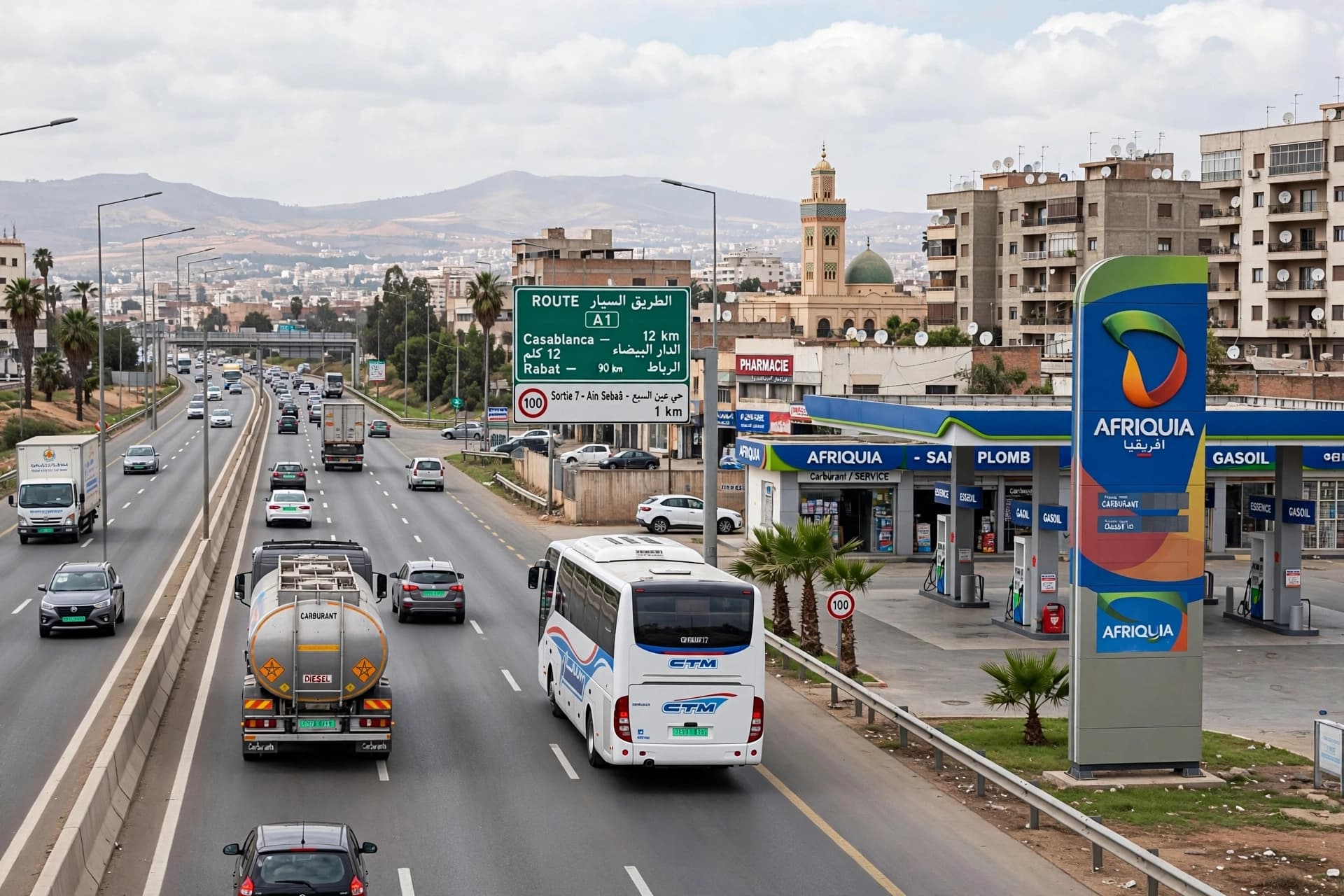
This AI-generated visual is created for editorial illustration only and does not depict an actual Moroccan fuel station, driver, or specific price transaction.
SOURCES
Morocco World News The Morocco Post Walaw Press
Published by Banx Network. This article is part of the Banx decentralized media programme, powered by the BXE token on the XRP Ledger.