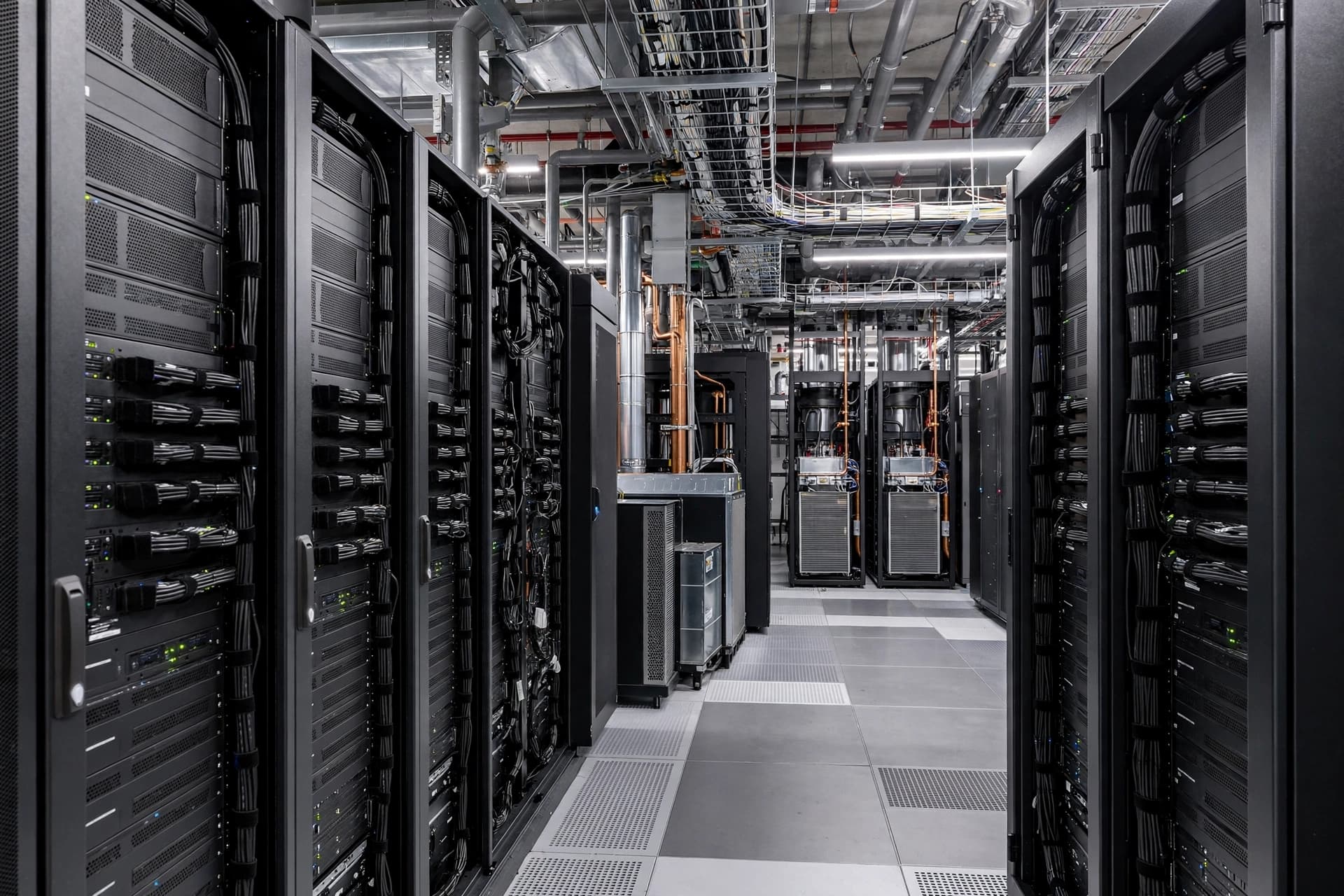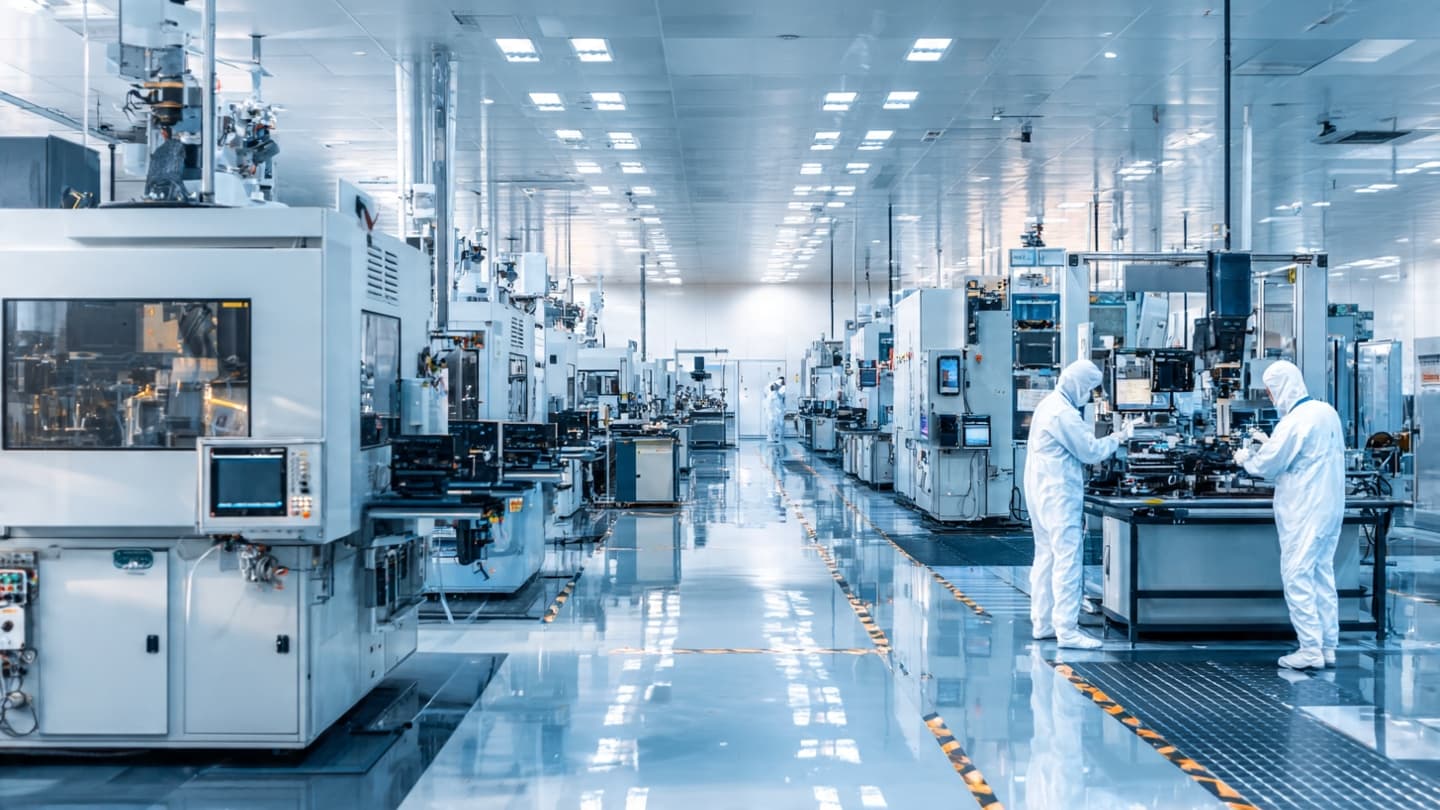
There are quiet signs of movement inside a factory long before a finished product reaches the outside world. A new order arrives, machines begin running longer, materials move through the supply chain, and workers prepare for another cycle of production. In Japan, August brought several of those signals together.
Japan’s manufacturing sector expanded at its fastest pace in several years in August, with the S&P Global Flash Japan Manufacturing Purchasing Managers’ Index rising to 55.1 from 54.5 in July. The reading represented the strongest improvement in new orders since January 2018.
The improvement was particularly visible in production and new business. Domestic and overseas orders both strengthened, while manufacturers increased purchases of inputs as suppliers faced longer delivery times. Semiconductor and artificial-intelligence demand were among the forces supporting the expansion.
The movement is notable because Japan’s economy had recently shown some softer signals. Gross domestic product growth slowed in the second quarter, creating questions about the durability of the recovery. Yet the manufacturing data suggest that parts of the private economy are finding support from global technology demand.
Semiconductors have become an increasingly important connection between Japan’s industrial base and the global AI economy. Japanese companies supply manufacturing equipment, electronic components, materials, and specialized technologies that are needed throughout the semiconductor production chain.
That position gives Japan a different role from countries that focus primarily on chip fabrication. A semiconductor wafer may be produced elsewhere, but the machinery, chemicals, materials, and precision components used along the way can involve Japanese suppliers.
The August figures also showed improvement beyond manufacturing. Japan’s services PMI rose to 52.3, while the composite output index reached 53.4, its highest level since February. The broader numbers suggest that the improvement was not confined entirely to factories.
Cost pressures, meanwhile, showed some moderation. Input-price inflation eased to a five-month low, although selling prices for goods and services remained elevated. For manufacturers, that combination offers some breathing room while preserving the possibility of stronger margins if demand continues.
Business confidence also improved, with manufacturers becoming particularly optimistic about future sales and market conditions. Such confidence can influence hiring, inventory decisions, equipment purchases, and investment plans, making it an important signal even before the effects appear in official economic growth figures.
For now, Japan’s manufacturing landscape is moving with greater energy than it did earlier in the year. The August PMI, stronger orders, and continued demand linked to semiconductors and AI provide a favorable backdrop, while businesses remain attentive to prices, supply constraints, and the wider global economy.
AI Image Disclaimer The visuals accompanying this article were created with AI as conceptual representations and are not photographs of actual Japanese factories.
Sources Reuters S&P Global Nikkei Asia The Japan Times NHK
Published by Banx Network. This article is part of the Banx decentralized media programme, powered by the BXE token on the XRP Ledger.