A railway is more than steel laid across the landscape. It is a promise of movement, connecting cities while carrying the financial weight of construction, maintenance and long-term operations behind every passing train.
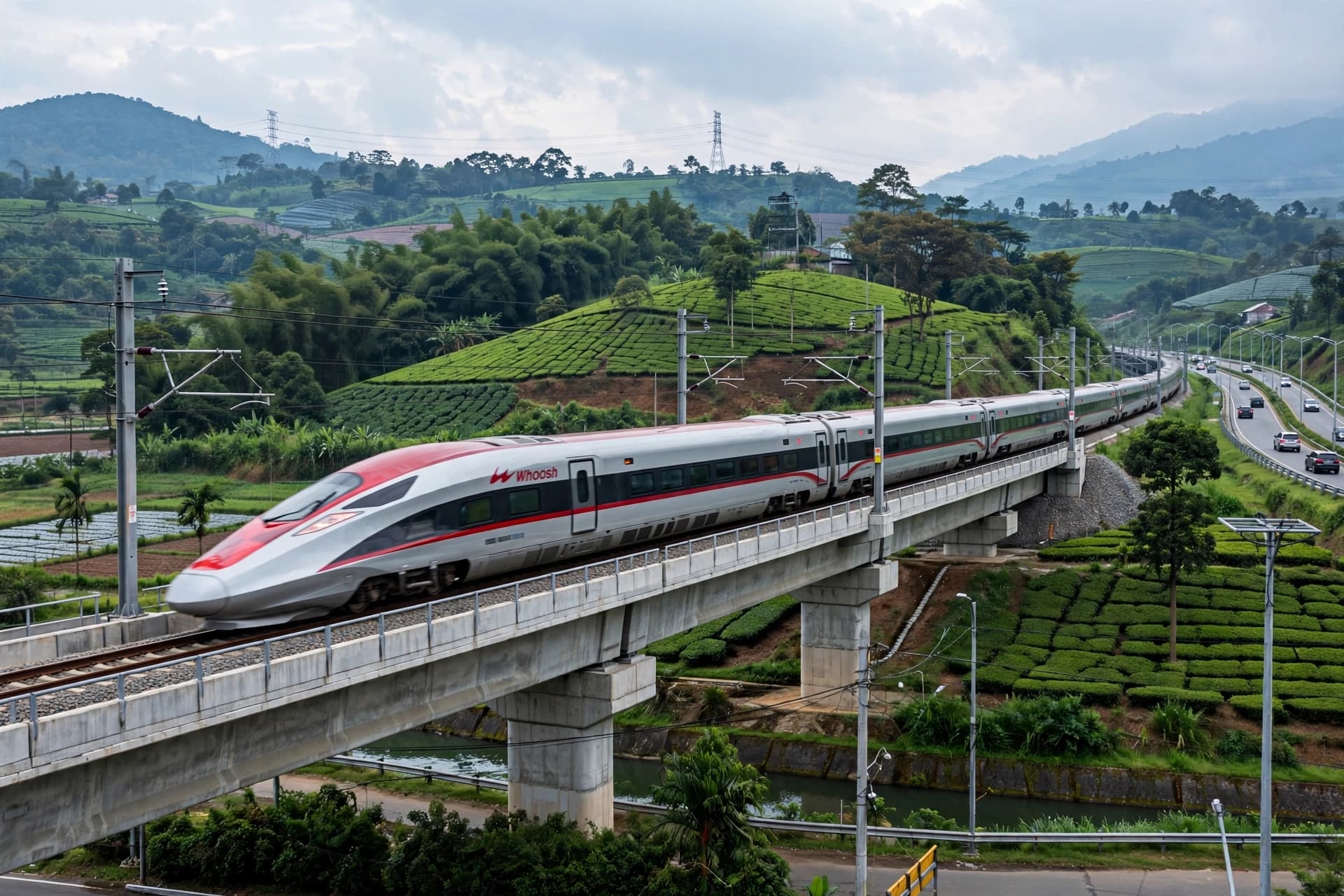
Indonesia is preparing to take a controlling stake in the company operating the $7.3 billion China-funded Jakarta-Bandung high-speed railway, known as Whoosh. The move comes as authorities address the project's financial difficulties and consider a new structure for its ownership.
The railway was developed as a major infrastructure project intended to shorten travel between Jakarta and Bandung. Its high-speed trains represent a significant technological step for Indonesia's transportation system.
But infrastructure on this scale carries costs that continue long after construction ends. Debt obligations, operating expenses and passenger demand all influence whether a major railway can sustain itself financially.
The decision to take control therefore reflects a broader effort to manage those obligations. Indonesian authorities and the sovereign wealth fund Danantara have been involved in discussions surrounding the project's future structure.
The railway was developed with substantial Chinese financing, making it an important example of international infrastructure cooperation. Its future now sits increasingly within Indonesia's domestic financial and strategic framework.
For passengers, the ownership structure may appear distant from the experience of boarding a train. Yet financial decisions can eventually affect fares, service expansion, maintenance and investment in stations and railway infrastructure.
The project also illustrates the long life of major infrastructure decisions. A railway may take years to build, but its economic consequences can continue for decades.
Indonesia's government has been seeking ways to strengthen the financial position of the railway's operating company. Taking a controlling stake provides a mechanism for greater domestic oversight while authorities work through the project's existing obligations.
The scale of the investment makes the issue particularly significant. At approximately $7.3 billion, the railway represents one of Indonesia's most prominent transportation projects and a major commitment of public and international capital.
The next phase will be shaped by how Indonesia manages the railway's finances, operations and long-term passenger demand. For now, the government is moving toward greater control of the company behind Whoosh, placing the project on a new institutional track.
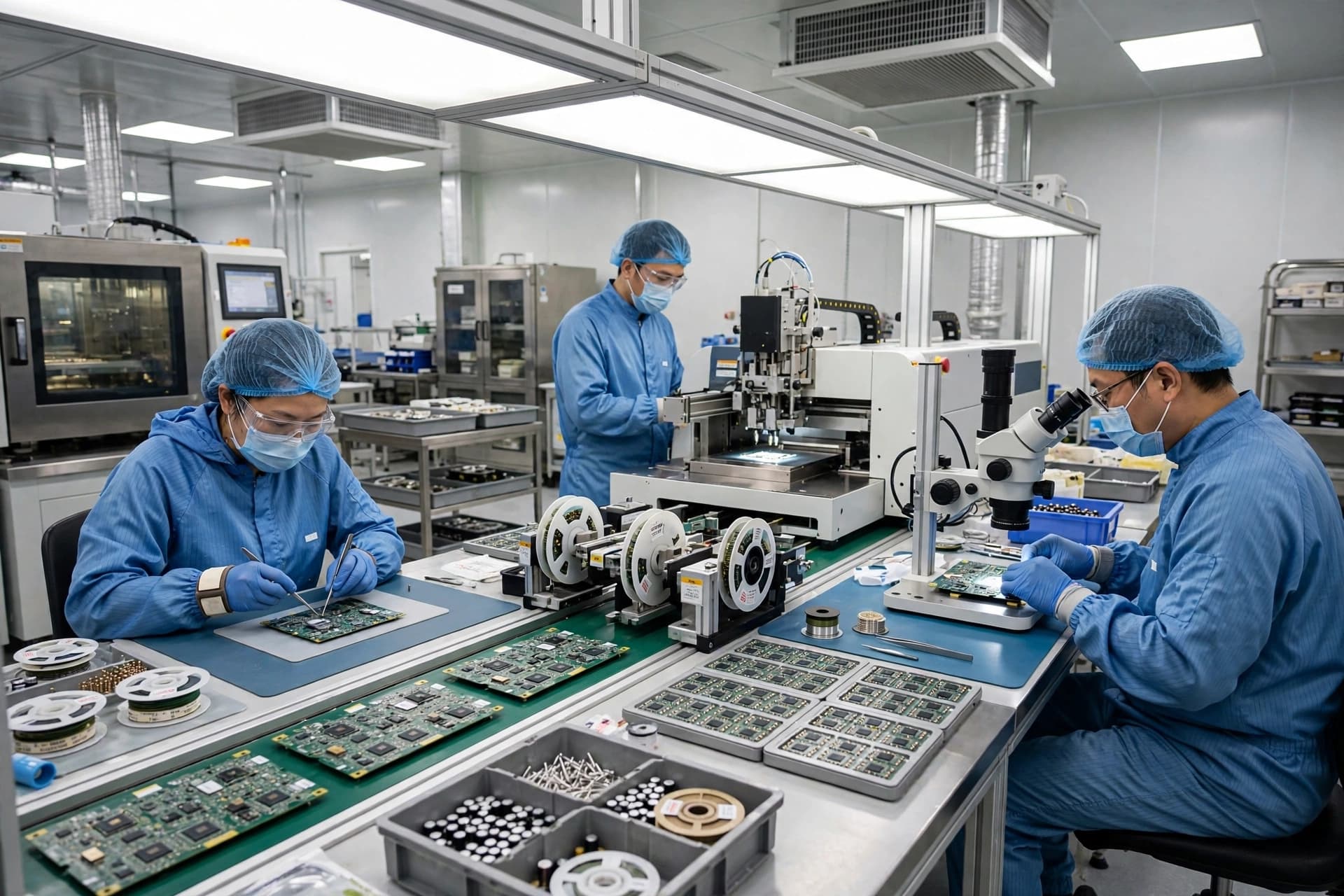
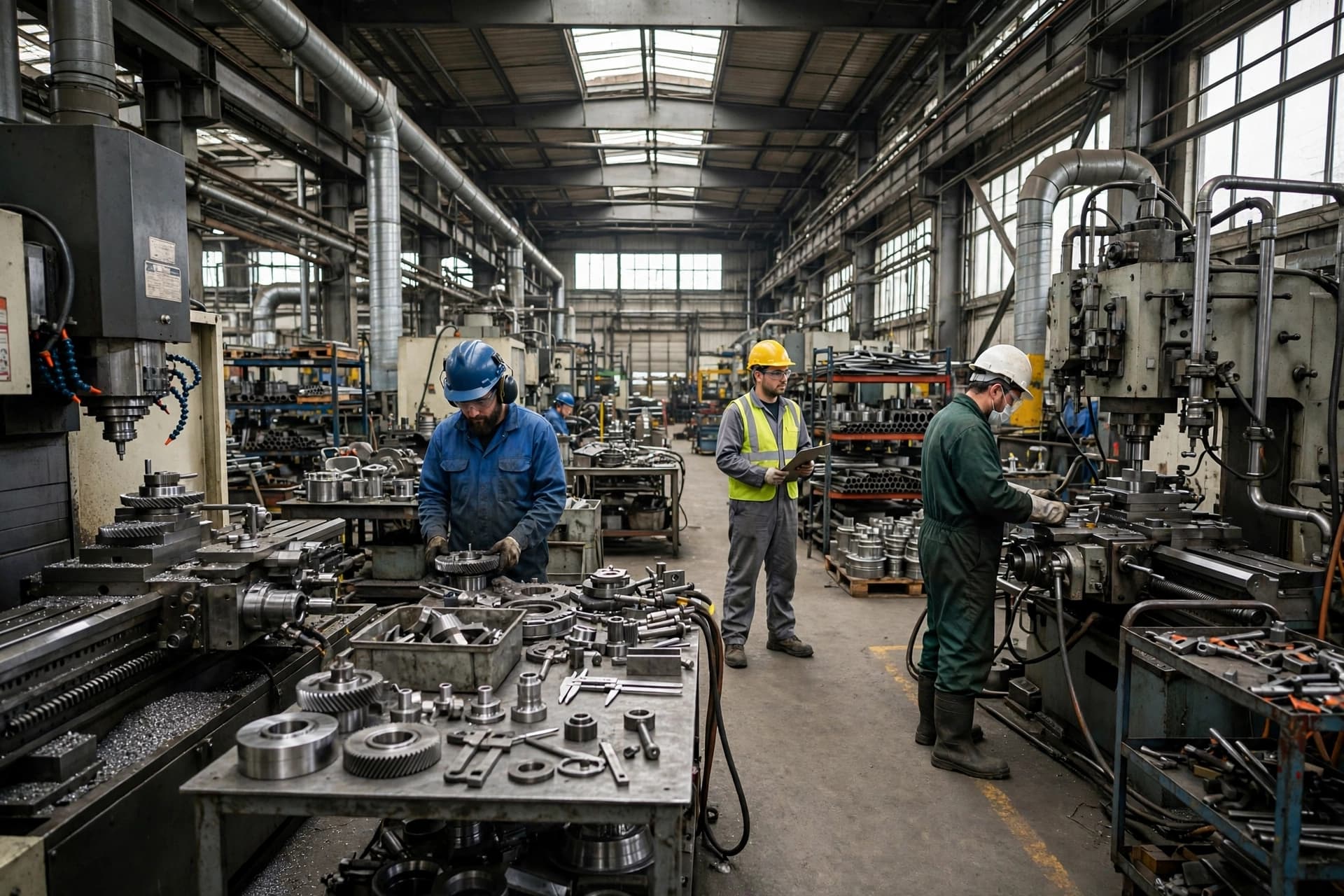
AI Image Disclaimer: These visuals were created with AI tools as conceptual representations of Indonesia’s high-speed railway and do not depict actual photographs of the project.
Sources: Reuters Danantara KCIC
Published by Banx Network. This article is part of the Banx decentralized media programme, powered by the BXE token on the XRP Ledger.