Some energy stories begin beneath the surface, while others remain there for years. Oil and gas projects can leave behind not only infrastructure and investment, but also environmental questions that continue long after production stops.
Indonesia has agreed to lift an investment moratorium on Thailand's PTT after the company paid compensation related to the 2009 Montara oil spill in the Timor Sea. The decision could reopen the way for PTT to invest in Indonesian energy projects.
The Montara incident involved a wellhead operated by PTT's subsidiary PTTEP Australasia. The wellhead caught fire in 2009, resulting in an oil leak off the northern coast of Western Australia.
Indonesia later pursued compensation, arguing that the spill had caused environmental damage affecting waters and coastal areas of East Nusa Tenggara. In 2017, the Indonesian government sued PTT for approximately $2 billion over the alleged damage.
The latest agreement changes the relationship between the company and Indonesian authorities. With compensation paid, the government is preparing to remove the restriction that had prevented PTT from pursuing new investments in the country.
The development is significant because PTT has indicated plans for substantial investment in Indonesian oil and gas. Indonesian upstream regulator SKK Migas said the company has committed around $5 billion toward exploration and production activities.
Exploration is an inherently long-term process. Companies may spend years assessing geological formations before deciding whether a potential resource can be developed commercially.
Production projects then require another layer of infrastructure, including platforms, pipelines, processing facilities and transportation systems. Each stage brings investment and employment across specialized parts of the energy industry.
Indonesia remains an important regional energy market, even as the country explores renewable sources and longer-term changes in its energy mix. Oil and gas continue to play a role in industrial activity, transportation and national energy security.
PTT's potential return therefore carries significance beyond a single corporate agreement. It demonstrates how an earlier environmental dispute can eventually move toward resolution while commercial relationships are rebuilt under new conditions.
The government has now agreed to lift the investment moratorium following the compensation payment, while PTT is expected to pursue new opportunities in exploration and production. The process will depend on individual projects, regulatory approvals and technical assessments.
For Indonesia's energy sector, the decision opens another path for investment. The next stage will unfold through exploration and production projects, where capital, technology and environmental requirements will determine how the relationship develops.
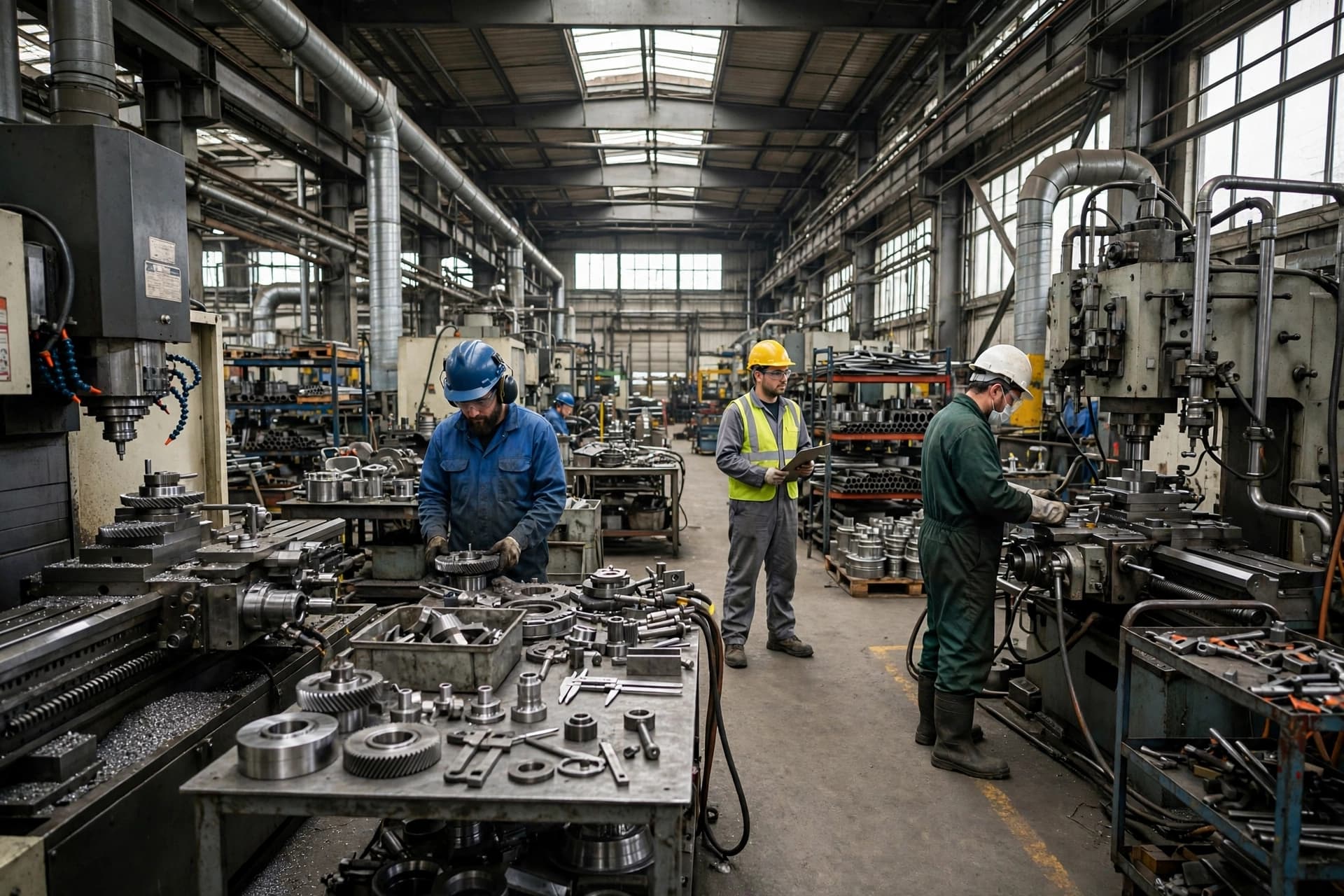
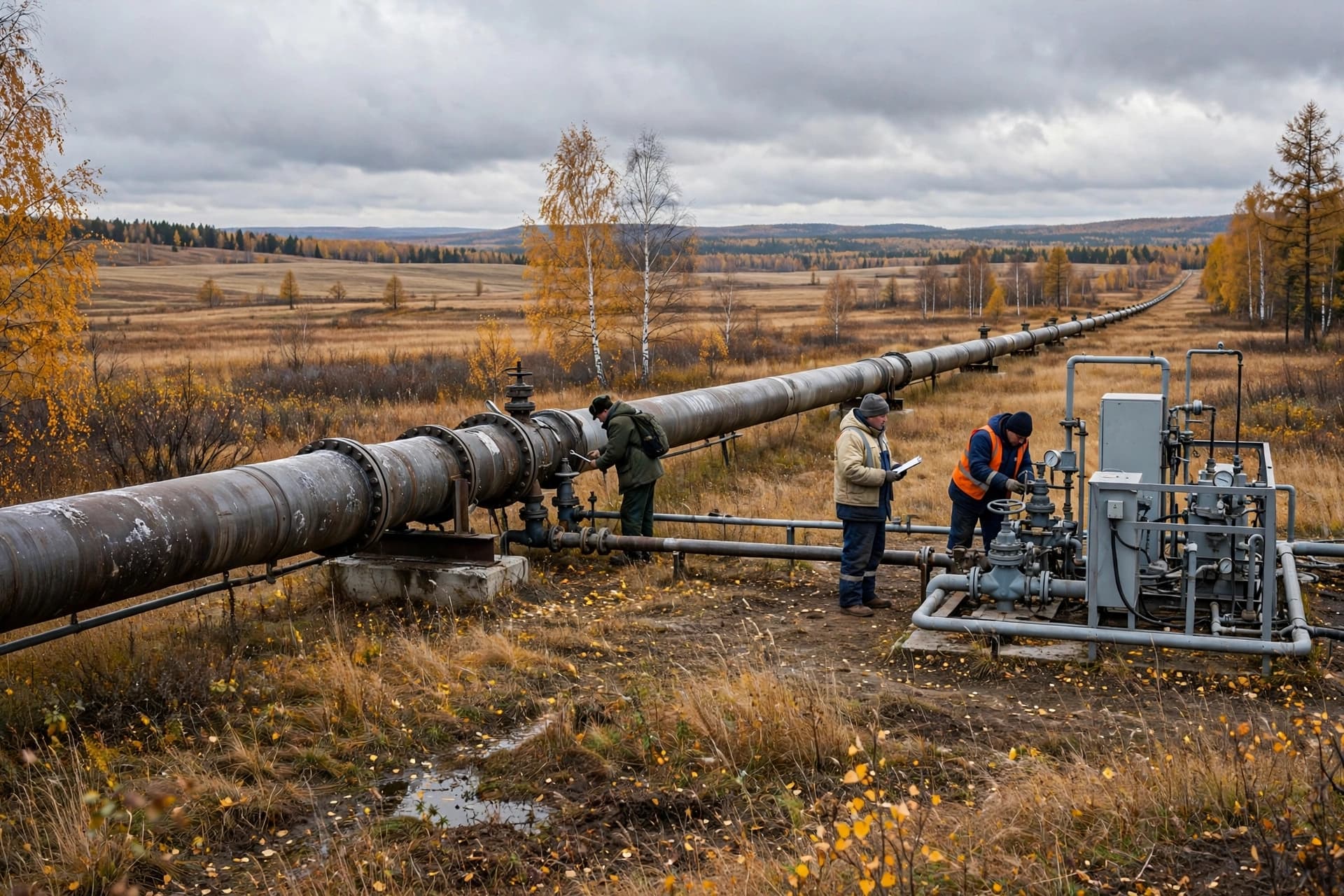
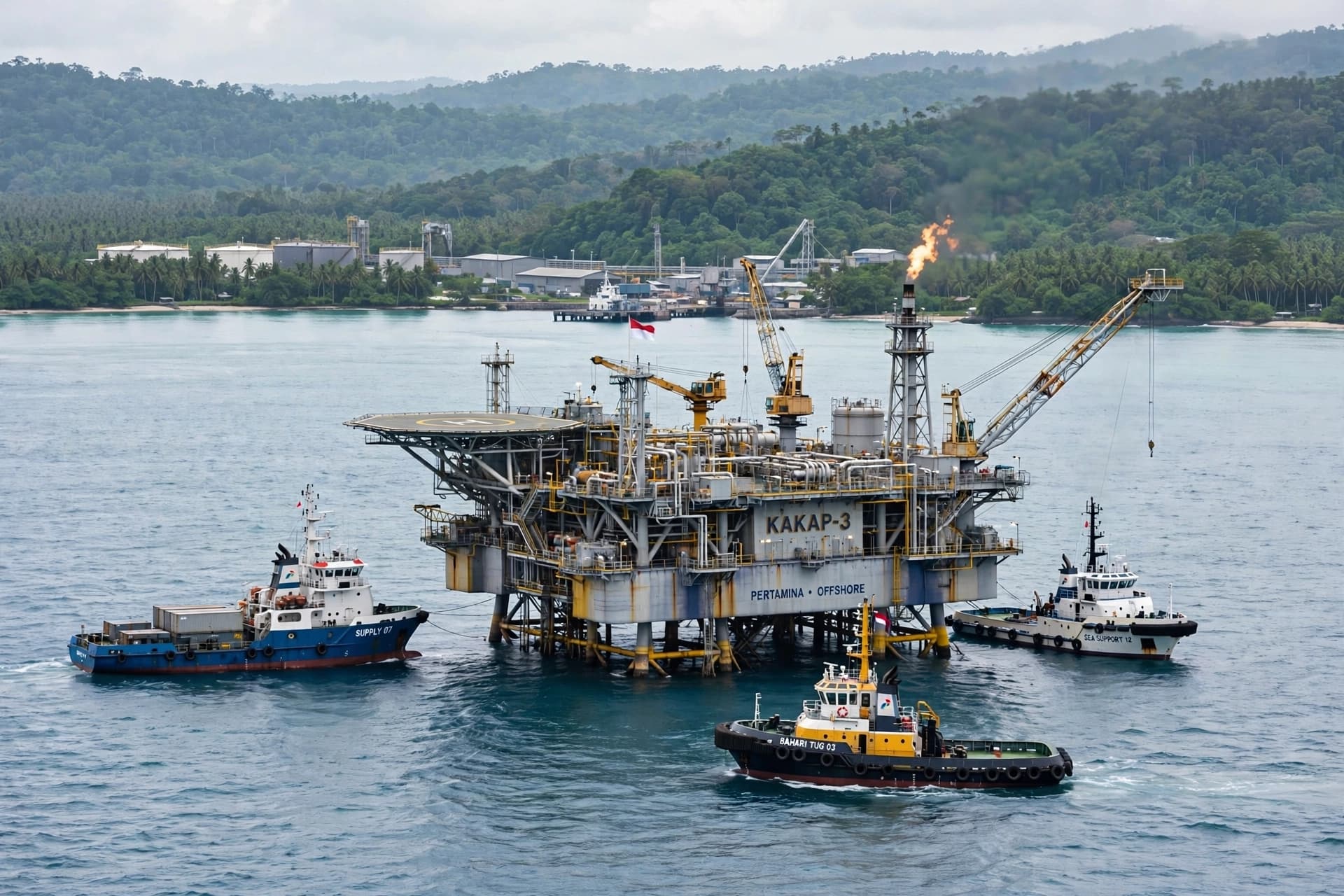
AI Image Disclaimer: These visuals were generated with AI as conceptual representations of Indonesia’s energy investment landscape and are not photographs of actual PTT facilities.
Sources: Reuters SKK Migas PTT Exploration and Production
Published by Banx Network. This article is part of the Banx decentralized media programme, powered by the BXE token on the XRP Ledger.