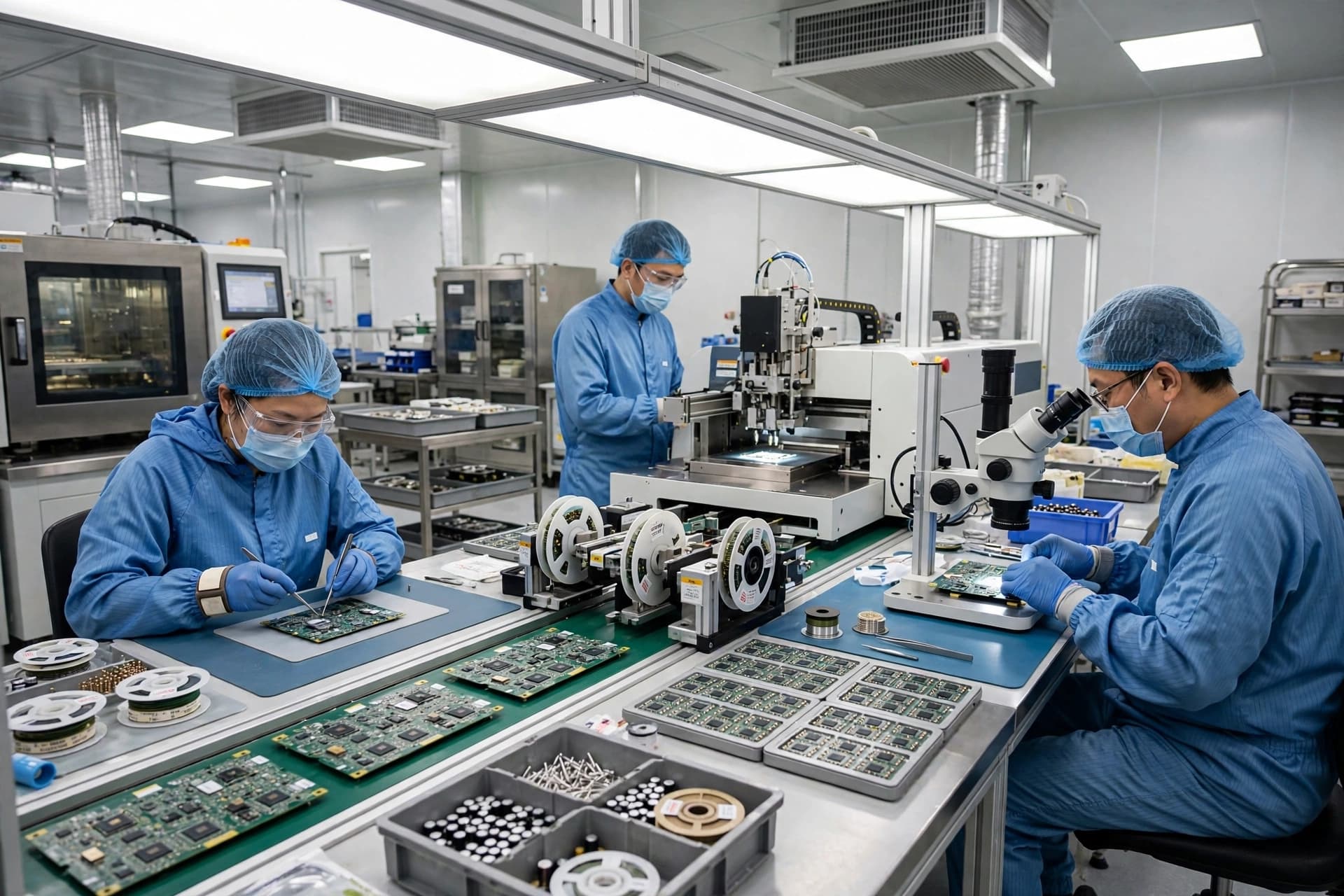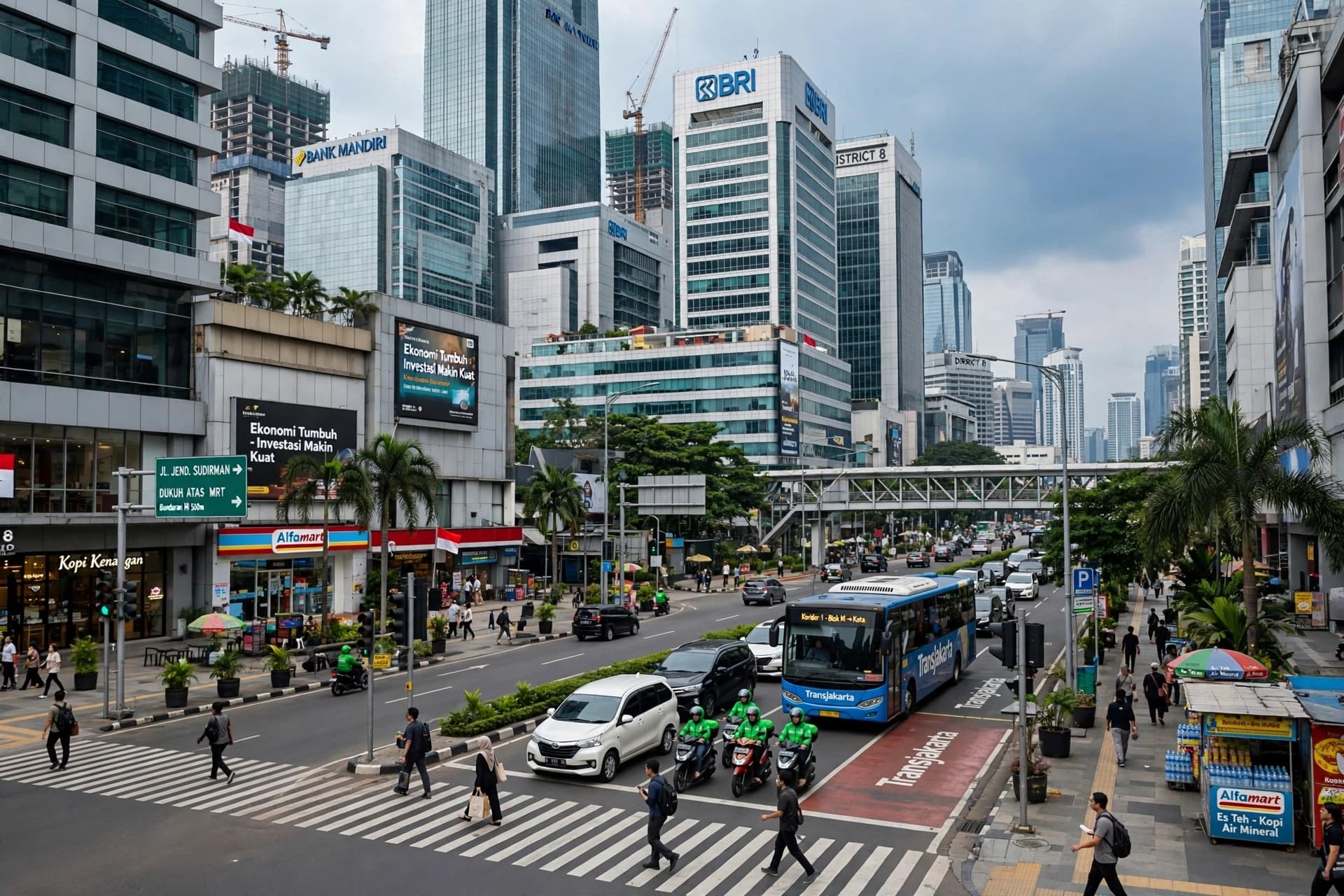
Economic growth rarely moves in a perfectly straight line. Beneath a single percentage figure are millions of transactions, factories opening their doors, households deciding what to buy and businesses deciding where to place their next investment.
Indonesia’s economy grew 5.29% year-on-year in the second quarter of 2026, exceeding the 5.10% growth expected by economists surveyed by Reuters. The result showed that Southeast Asia’s largest economy continued expanding despite signs of softer domestic activity.
The figure followed stronger growth of 5.61% in the first quarter. On a non-seasonally adjusted quarter-on-quarter basis, gross domestic product expanded 3.73%, according to Statistics Indonesia.
The second-quarter performance suggests that economic activity retained considerable momentum. Exports, investment and other components of national output helped sustain growth even as some parts of domestic demand became less energetic.
Household spending is particularly important because consumption represents a large share of Indonesia’s economy. When households spend more freely, businesses generally receive stronger demand for goods and services.
During the second quarter, however, household and public spending softened. That moderation means the headline growth number contains a more complicated story beneath it.
Indonesia has also been navigating changes in its external environment. Commodity prices, import costs, regional demand and currency movements can all influence businesses whose activities depend on international trade.
The country's trade position has recently shown some signs of pressure. Indonesia recorded a second consecutive monthly trade deficit in June, although the $450 million gap was considerably smaller than economists had expected.
At the same time, inflation eased to 2.88% in July, its slowest pace in three months, providing a relatively calmer backdrop for consumers and businesses.
The combination of stronger-than-expected growth and softer components of domestic demand leaves policymakers and economists watching the months ahead closely. Growth has remained around the 5% range, but maintaining that pace will depend on consumption, investment, exports and broader financial conditions.
For now, the second-quarter figures provide a relatively firm foundation. Indonesia expanded 5.29% from a year earlier, beating forecasts and demonstrating that the economy continued to grow despite a more uneven domestic and international environment.
AI Image Disclaimer: These illustrations were created using AI tools to visualize Indonesia’s economic activity and are not photographs of specific businesses or economic events.
Sources: Reuters Statistics Indonesia (BPS)
Published by Banx Network. This article is part of the Banx decentralized media programme, powered by the BXE token on the XRP Ledger.