A robot can dance, run, wave, and even complete an impressive athletic routine. But after the applause fades, another question remains: what can the machine actually do for eight hours on a working day?
That question is becoming increasingly important in China, where humanoid-robot manufacturers are moving beyond demonstrations and testing machines in factories, warehouses, and other practical environments. More than 300 mostly domestic companies attended the World Robot Conference in Beijing, displaying more than 2,000 exhibits and launching over 150 products.
The change in emphasis is subtle but important. For the past several years, humanoid robots have attracted attention through demonstrations of athletic movement, dancing, boxing, and other highly visible capabilities. Those achievements show mechanical progress, but commercial applications require a different kind of performance.
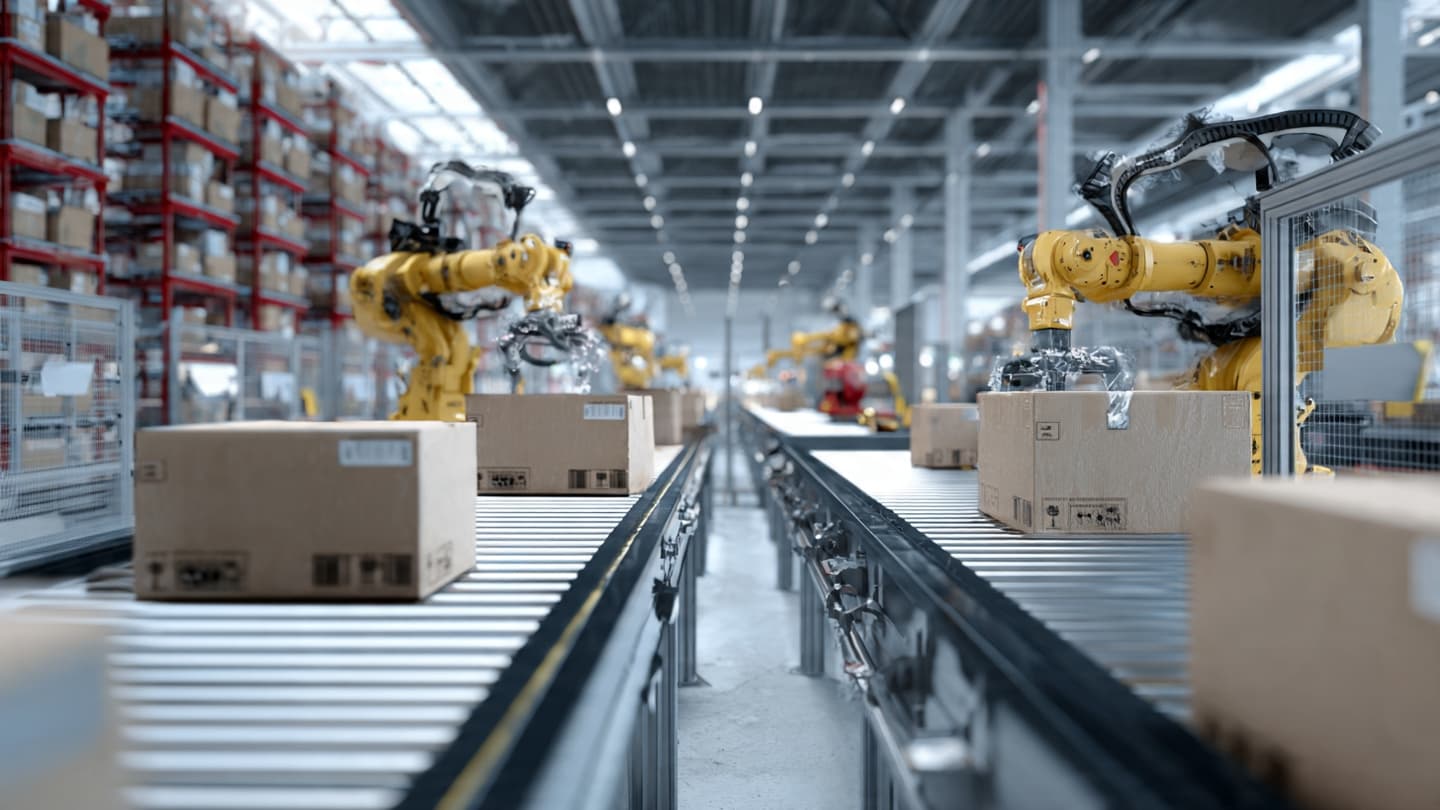
Factories provide one of the clearest testing grounds. Robots can be asked to sort parcels, move objects, pack products, inspect components, or perform repetitive assembly tasks. These activities may appear less dramatic than running a race, but they provide measurable economic value.
Warehouses offer another environment. A robot must identify objects, navigate around people and equipment, pick up items, and complete tasks repeatedly without creating disruptions. Reliability becomes more important than spectacle.
Chinese companies are increasingly combining these physical capabilities with artificial intelligence. Sensors allow robots to observe their surroundings, while AI models help them interpret objects and decide how to move. The goal is to create machines that can adapt rather than simply repeat a pre-programmed sequence.
The technology still faces considerable limitations. A robot may perform perfectly in a controlled demonstration but struggle when cables are placed differently, lighting changes, objects move unexpectedly, or humans enter its workspace.
That is why real-world testing has become so important. Reuters reported that some events at the Beijing humanoid-robot competition required full autonomy, while practical tests included connecting cables and performing warehouse operations.
China's robotics industry is therefore entering a different stage. The question is shifting from whether humanoid robots can perform impressive movements to whether they can perform useful tasks consistently, safely, and economically.
The potential market is enormous. Manufacturing, logistics, healthcare, hospitality, and household services all contain tasks that could eventually be assisted or automated. But commercial adoption will depend on whether robots can deliver enough value to justify their purchase, maintenance, energy consumption, and software costs.
For now, China’s humanoid-robot industry is moving from the stage toward the workplace. The machines may still attract attention when they run or dance, but their longer journey will be measured in quieter moments: a package moved correctly, a cable connected without assistance, or a production task completed reliably.
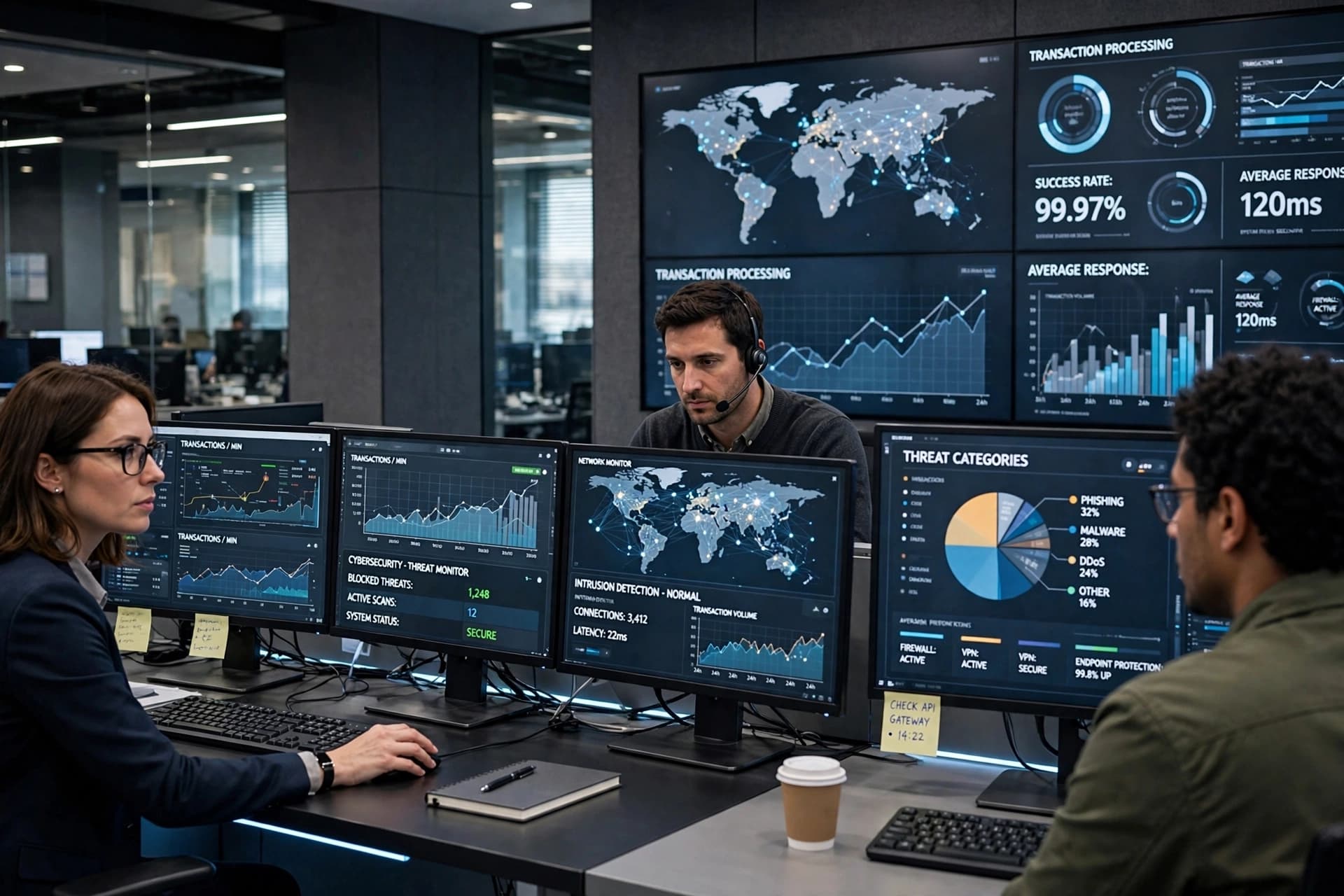
AI Image Disclaimer These visuals were created using AI tools as conceptual illustrations and do not depict actual Chinese robotics competitions or factories.
Sources Reuters Xinhua China Daily South China Morning Post World Robot Conference
Published by Banx Network. This article is part of the Banx decentralized media programme, powered by the BXE token on the XRP Ledger.