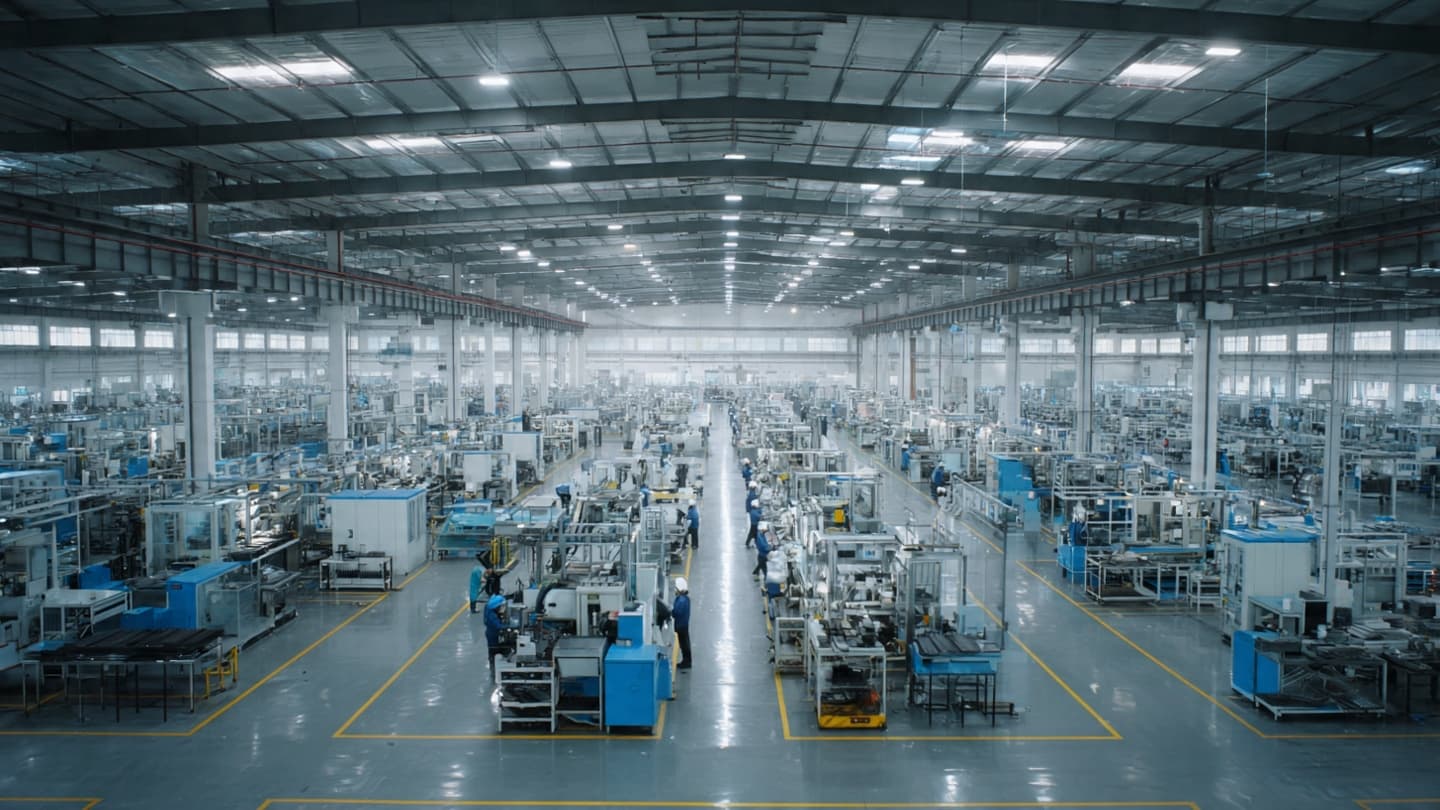
Across China's vast manufacturing landscape, August brought a subtle change in rhythm. Factory activity strengthened, new orders increased, and export demand improved, creating a brighter picture for an industry closely connected to the global economy. Yet beneath that improvement, domestic demand continued to move at a slower pace.
China's RatingDog General Manufacturing Purchasing Managers' Index rose to 51.5 in August from 50.9 in July. The reading moved further into expansion territory and exceeded economists' expectations, suggesting that manufacturing conditions improved during the month.
Factory output increased at its fastest pace in three months, while new orders also strengthened. Export activity recorded its strongest growth in six months, giving manufacturers additional support as international demand for Chinese-made goods improved.
The improvement is notable because China's manufacturing sector had faced weakness earlier in the year. A previous survey showed factory activity improving but remaining in contraction, while services activity also remained soft. The latest figures therefore present a more uneven economic picture rather than a uniform recovery.
Technology has become an increasingly important part of the regional manufacturing story. Strong global demand for artificial intelligence hardware, including semiconductors and related electronics, has helped support factories across Asia. China is part of that wider industrial network, supplying components and finished products connected to the growing AI economy.
At the same time, stronger factory production does not necessarily mean that household demand has recovered at the same pace. Domestic consumption remains one of the areas being watched closely by economists, particularly as businesses attempt to balance production with actual demand.
The August data also contained signs of continued competition among manufacturers. Finished-goods inventories increased significantly, while output prices fell for the first time this year. Lower prices can help companies remain competitive, but they can also indicate that businesses are working harder to attract buyers in a market where demand remains uneven.
The wider economy continues to face additional challenges. China's second-quarter GDP growth slowed to 4.3% from 5.0% in the first quarter, while external risks and softer domestic demand continue to influence expectations for the remainder of the year.
For manufacturers, however, August offered a measure of renewed momentum. Stronger orders and exports provided support, particularly for companies connected to global technology demand.
As September begins, China's industrial economy enters the new month with a more encouraging manufacturing reading but an uneven broader outlook. The coming data will show whether the improvement in factory activity can continue and whether stronger production eventually finds support from consumers at home.
AI IMAGE DISCLAIMER
These AI-generated visuals are conceptual illustrations created to represent the subject and are not actual photographs.
SOURCES
Reuters
Published by Banx Network. This article is part of the Banx decentralized media programme, powered by the BXE token on the XRP Ledger.