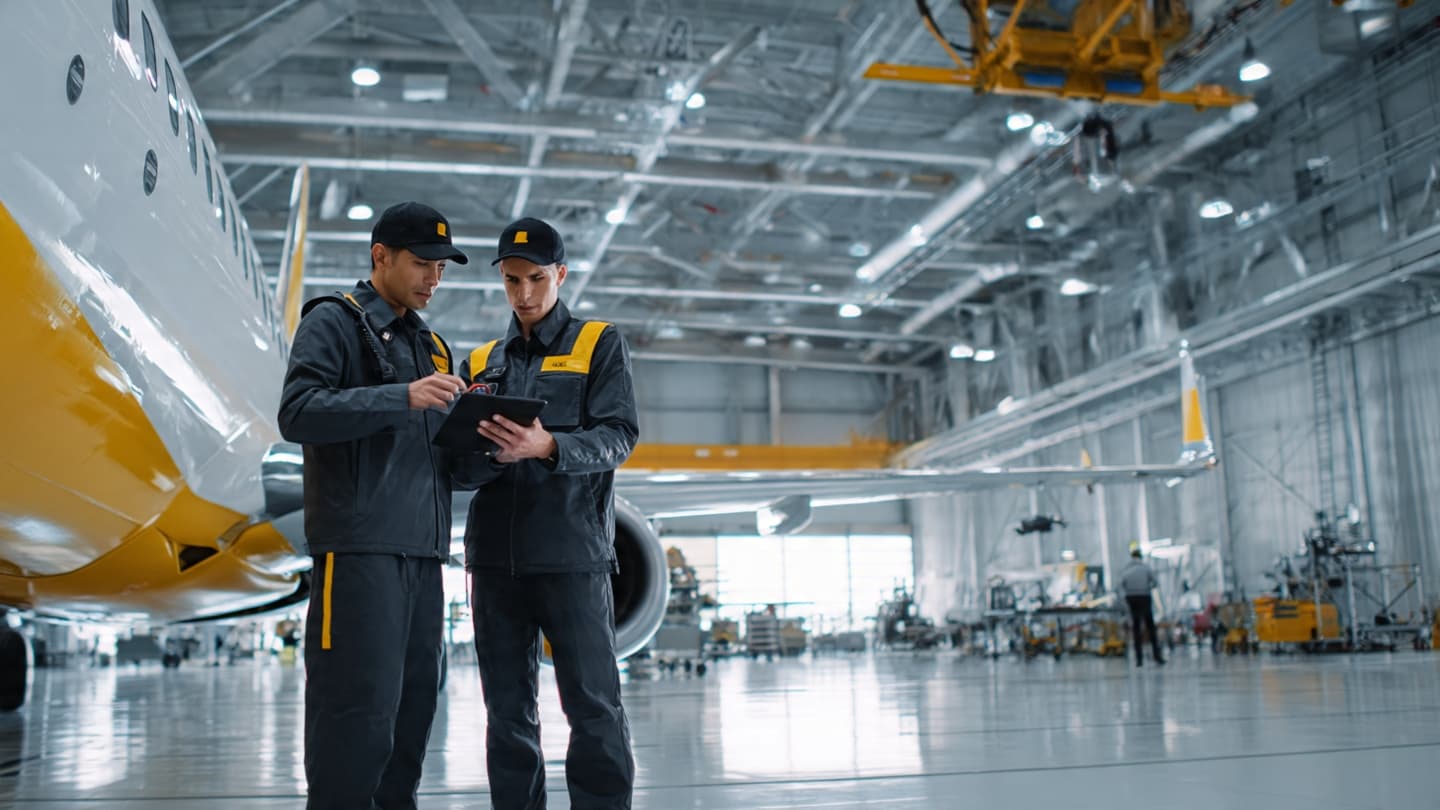
On the quieter streets where small businesses open their doors each morning, the artificial intelligence revolution can look very different from the headlines surrounding the world's largest technology companies. There are no enormous laboratories or sprawling computing campuses in these places. Instead, there are offices, workshops, stores, and small teams searching for ways to make an ordinary working day a little easier.
Large corporations have effectively become testing grounds for artificial intelligence, spending heavily on systems designed for software development, customer service, information technology, and other business functions. Small and midsize companies are now watching those experiments closely, adopting tools that appear useful while avoiding technologies whose costs and limitations have become visible through earlier corporate deployments. The Guardian reported on this emerging "second-mover" approach among smaller businesses.
For some small firms, AI is already being used for practical tasks rather than sweeping automation. Businesses are applying the technology to analyze information, support customer service, assist employees with routine work, and organize large amounts of business material. The emphasis is often less about replacing people and more about helping a limited workforce handle more work during the day.
That distinction matters because small companies generally have fewer employees and less room for expensive experimentation. A large corporation can sometimes absorb the cost of a technology project that does not work as planned. For a company with only a few dozen employees, an unreliable system or unnecessary subscription can have a much more immediate effect on daily operations.
The experiences of larger companies have also revealed some of the limitations of AI. Expensive computing requirements, unreliable AI agents, concerns about data, and difficulties integrating automated systems into existing workflows have encouraged smaller businesses to take a more measured approach. Instead of treating every new AI product as essential, many owners are waiting to see whether a tool can produce a clear business benefit.
There is also a human dimension to the shift. Small businesses often depend on employees who already carry several responsibilities, leaving little space for extensive retraining or complicated technology projects. AI becomes more attractive when it can remove repetitive work without requiring the entire organization to change its structure.
The lesson emerging from larger companies is therefore not simply that AI works or does not work. Its value appears to depend heavily on how it is introduced. Tools that assist employees with specific tasks can be easier to evaluate than systems designed to automate an entire department.
For technology providers, this creates another important market. The next phase of AI adoption may not be defined only by giant corporations purchasing enormous computing resources. It may also unfold gradually through thousands of smaller companies choosing individual applications that fit their particular needs.
The movement is still developing, but the pattern is becoming clearer. Small businesses are watching the larger companies move first, learning from both successful deployments and expensive mistakes. Rather than following every technological wave immediately, many are waiting for the water to settle before deciding where to step.
AI IMAGE DISCLAIMER
These illustrations were generated with AI and are conceptual representations rather than photographs of actual businesses.
SOURCES
The Guardian
Published by Banx Network. This article is part of the Banx decentralized media programme, powered by the BXE token on the XRP Ledger.