Economic growth can sometimes be felt not in dramatic leaps but in the steady continuation of ordinary activity. Offices open, services operate, businesses invest and households continue to spend. Britain's latest economic figures offer such a picture: growth has continued, although the pace remains measured and different parts of the economy are moving at different speeds.
The British economy expanded by 0.3 percent in June, according to the Office for National Statistics, while gross domestic product grew 0.4 percent across the second quarter. The quarterly figure was stronger than the contraction recorded in the first quarter and provided a more encouraging reading for an economy that has faced persistent uncertainty around investment, household demand and business costs. (reuters.com)
Services were central to the expansion. The sector accounts for the largest share of Britain's economy, making its performance particularly important to overall GDP. Technology-related activity and professional services contributed to growth, while several consumer-facing businesses also recorded stronger activity during the period.
Manufacturing, by contrast, remained more subdued. Industrial businesses have continued to navigate changing global demand, higher operating costs and uncertainty across international supply chains. The difference between services and manufacturing illustrates how Britain's economy can experience growth even when some traditional sectors remain under pressure.
The latest figures also place attention on artificial intelligence. Reuters reported that the AI boom was beginning to appear in Britain's economic performance, with technology-related businesses contributing to activity and investment. The growing use of AI across companies is becoming increasingly connected to questions about productivity, capital spending and the future structure of employment.
For businesses, the technology shift represents both an investment opportunity and a practical challenge. Companies are spending on software, computing infrastructure and automation while attempting to determine how quickly those investments can translate into productivity improvements. The impact may take time to become fully visible in national economic statistics.
The second-quarter growth figure nevertheless offers some relief for Britain's economy. A 0.4 percent expansion may not represent rapid growth, but it indicates that overall activity increased after the weaker first-quarter performance. The result also exceeded some expectations and provided investors with a clearer indication that the economy remained resilient during the period.
Yet the underlying picture remains uneven. Businesses continue to face costs associated with wages, energy and financing, while households are still adjusting to a period of elevated prices. Economic growth therefore exists alongside pressures that can limit how quickly demand and investment develop.
The government's economic outlook will also depend on whether productivity can improve over time. Britain has faced a long-running challenge around weak productivity growth, making investment in technology and infrastructure particularly important. The increasing presence of AI could eventually contribute to efficiency, although economists continue to debate how quickly such gains will appear in measured output.
For now, the latest numbers provide a relatively calm message. Britain's economy expanded in the second quarter and grew again in June, with services and technology helping offset weakness in some other areas. The figures do not eliminate the challenges facing businesses and households, but they show that economic activity continued to move forward during the first half of 2026.
The next months will reveal whether that movement can become more consistent. For now, the ONS figures indicate that Britain's economy expanded 0.4 percent in the second quarter, following a weaker first quarter, while June recorded monthly growth of 0.3 percent. The balance between services, technology, manufacturing and consumer demand will remain important to the country's economic path.
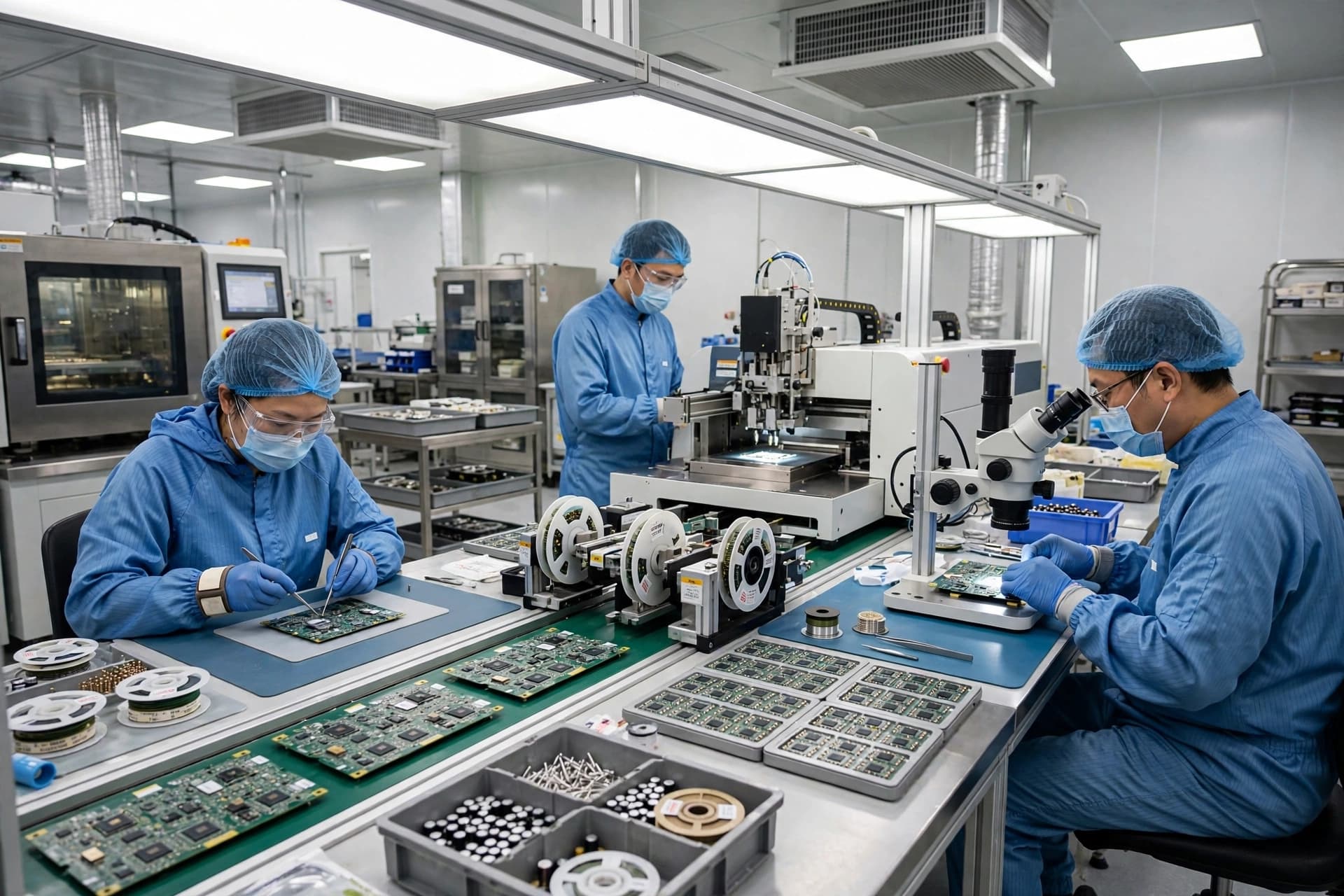
Image Disclaimer The images are AI-generated conceptual illustrations intended to visualize the economic themes described in this article.
Sources Reuters Office for National Statistics The Guardian BBC Financial Times The Times Bloomberg
Published by Banx Network. This article is part of the Banx decentralized media programme, powered by the BXE token on the XRP Ledger.