Medicine often begins in a laboratory but does not remain there. Between a scientific discovery and the moment a treatment reaches a patient lies a long chain of research, manufacturing, testing and distribution. Across the United States, that chain is now attracting an extraordinary wave of investment.
Global pharmaceutical companies have announced more than $500 billion in commitments to expand manufacturing capacity, research and supply chains in the United States, according to Reuters. Major companies including Pfizer, Eli Lilly, Johnson & Johnson, Roche, AstraZeneca and Novartis are among those increasing their American presence.
Pfizer has committed $70 billion toward research and development and domestic manufacturing. Eli Lilly is planning six U.S. facilities, while Johnson & Johnson has said it will increase its U.S. investment by 25%, bringing its planned investment to approximately $55 billion.
Roche has committed more than $50 billion to the United States, including a $2 billion expansion in North Carolina. AstraZeneca has announced plans to invest $50 billion in the country by 2030, while Novartis plans to build or expand 10 U.S. sites with an investment of approximately $23 billion.
The investment wave is spreading across different parts of the pharmaceutical industry. Some projects involve research facilities, while others focus on manufacturing plants capable of producing medicines and active pharmaceutical ingredients closer to the American market.
The movement also reflects concerns about the resilience of pharmaceutical supply chains. Medicines can depend on raw materials, specialized chemicals and manufacturing facilities located across several countries, making the global system sensitive to disruptions.
For pharmaceutical companies, building more capacity in the United States can provide greater control over parts of that chain. It can also create new research and manufacturing jobs while expanding the physical infrastructure behind the country's healthcare system.
The scale of the investment is particularly notable because pharmaceutical manufacturing requires highly specialized facilities. Plants must meet strict quality standards, while research centers need advanced laboratories, equipment and highly trained scientists.
The companies are also responding to a changing business environment. Reuters reported that some of the investments are connected to efforts to manage tariff risks, strengthen supply chains and expand employment in the United States.
For communities where new facilities are planned, the projects can introduce another layer to the local economy. Laboratories and manufacturing plants can bring construction activity first, followed by long-term employment and supporting businesses once facilities become operational.
The pharmaceutical investment wave is therefore taking shape across multiple dimensions: research, production, supply chains and employment. With more than $500 billion in commitments announced by global drugmakers, the United States is becoming an increasingly important destination for the physical infrastructure supporting modern medicine.
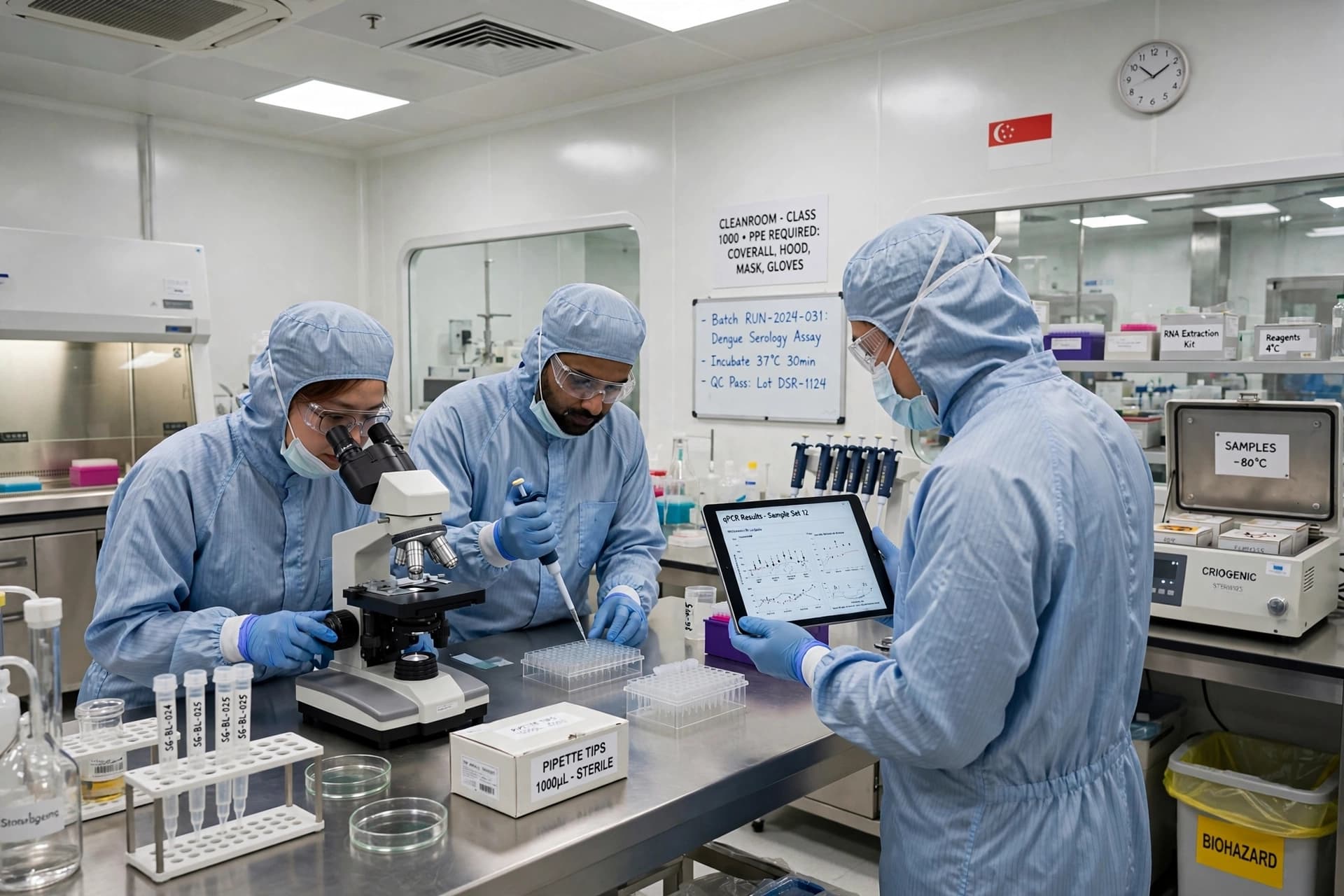
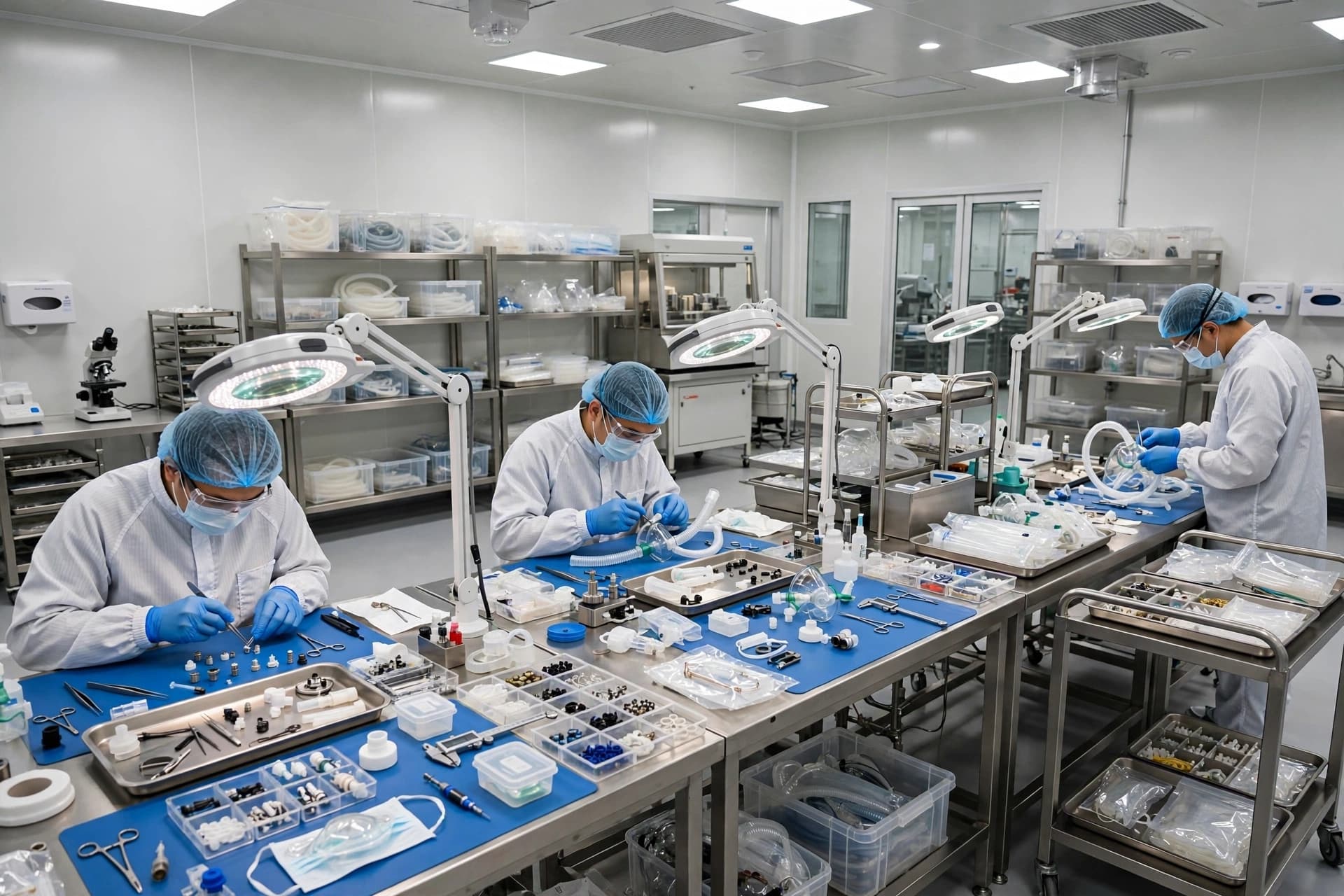
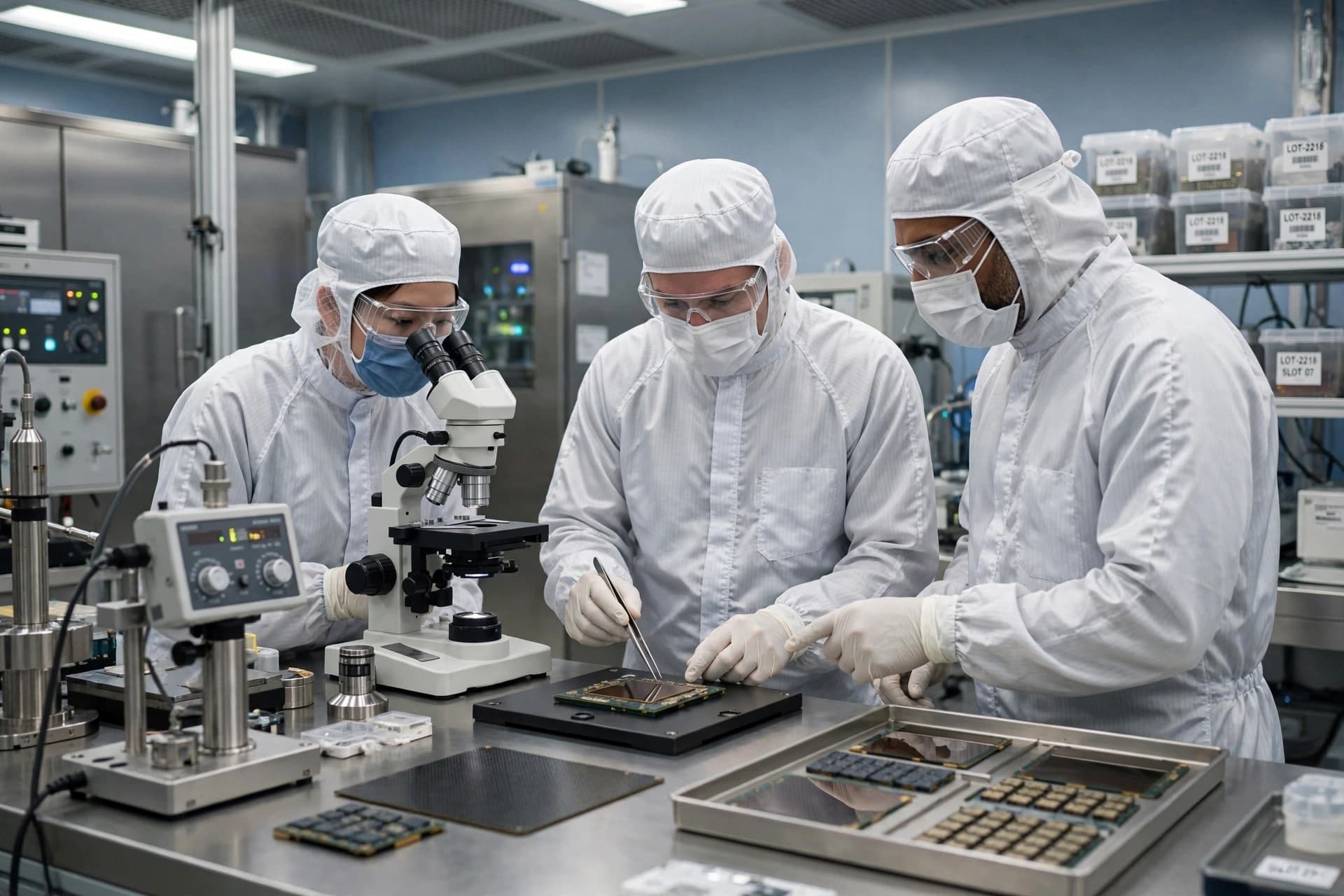
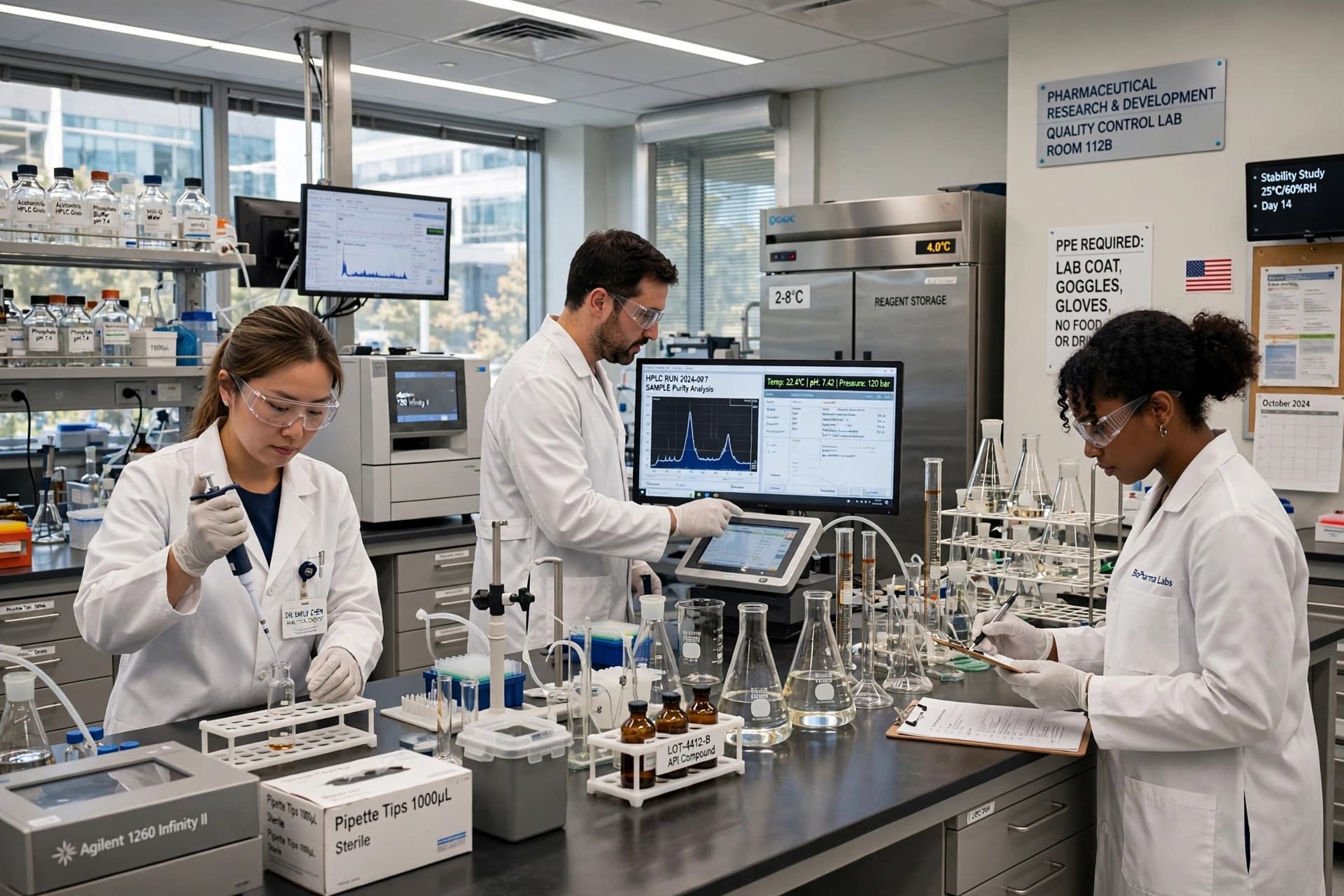
AI Image Disclaimer: Illustrations were created with AI tools to represent pharmaceutical research and manufacturing environments and are not photographs of actual facilities.
Sources: Reuters Pfizer Eli Lilly Johnson & Johnson AstraZeneca
Published by Banx Network. This article is part of the Banx decentralized media programme, powered by the BXE token on the XRP Ledger.